

Skip to content

Masai Mara - Iconic Wildlife & Legendary Migration

The Masai Mara National Reserve and the Mara Conservancies are Kenya's premier wildlife area for year-round activity as well as the annual Great Migration.
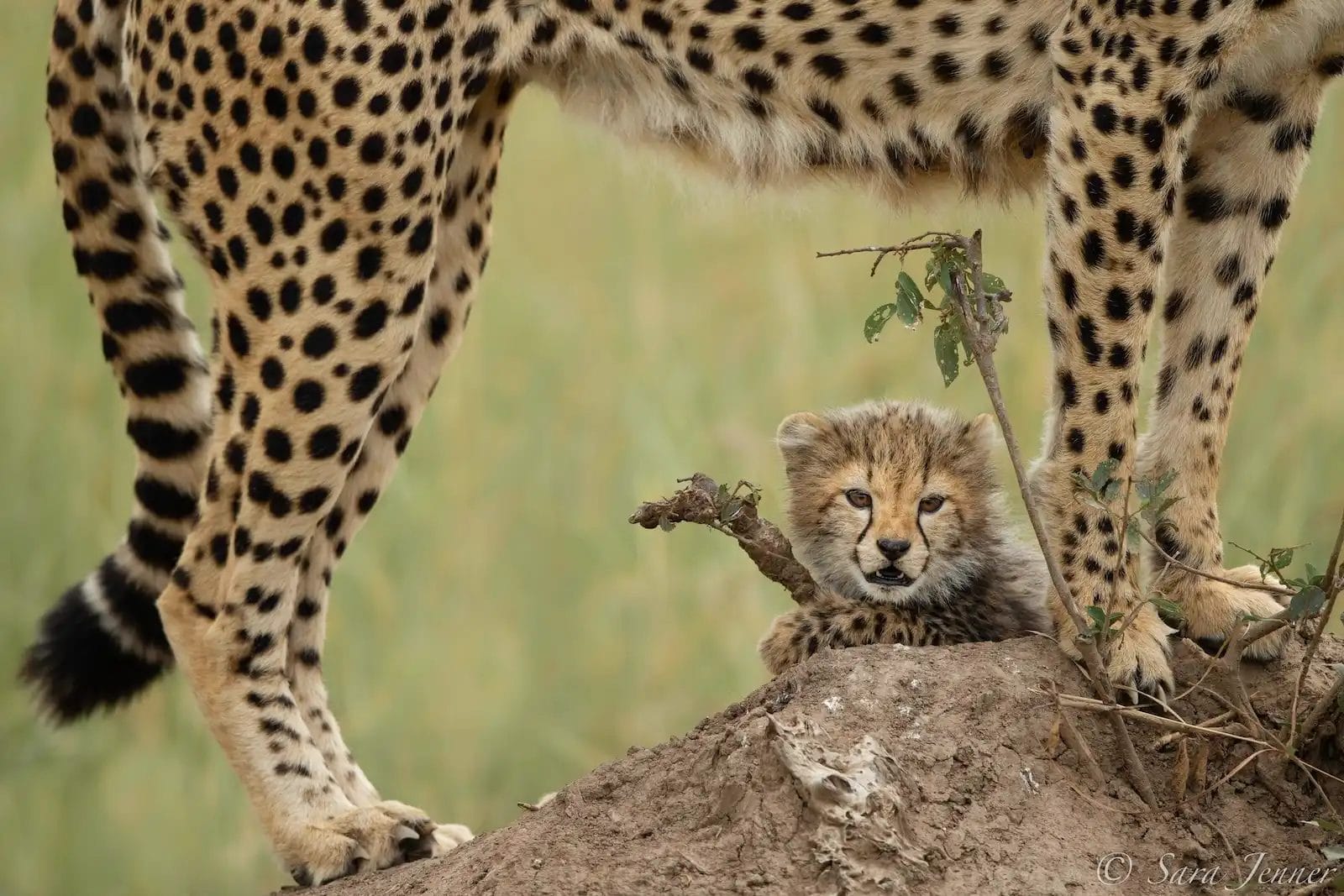
Cheetah relaxes in Olare Orok Conservancy in the Masai Mara. Photo credit Sara Jenner.

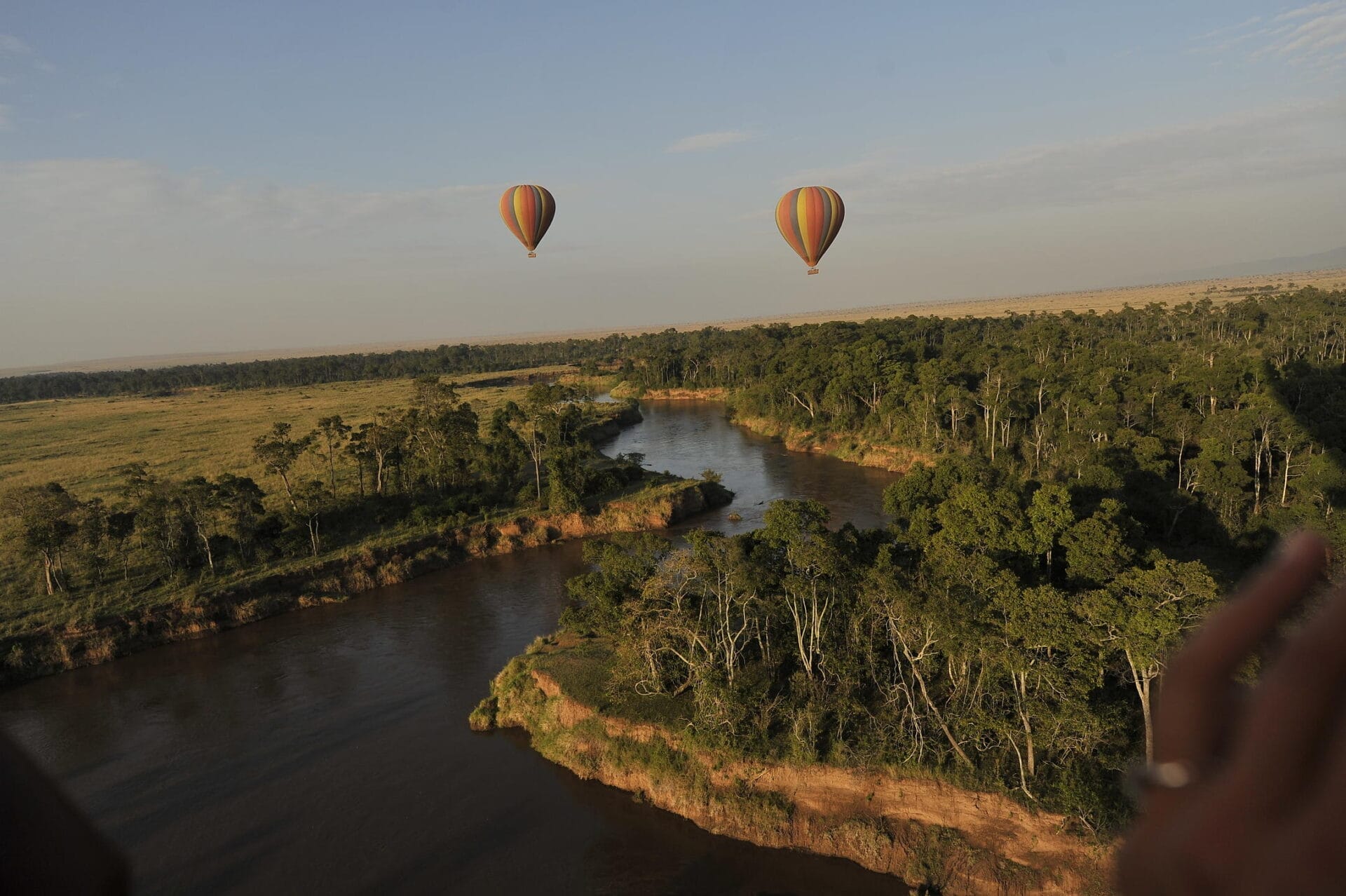
The Maasai Mara is one of Africa’s most iconic safari landscapes—rolling savannahs, acacia-dotted plains, and winding rivers that support one of the richest concentrations of wildlife anywhere on Earth. Bordering Tanzania’s Serengeti, the Mara is part of a vast ecosystem that hosts one of nature’s most breathtaking events: the Great Wildebeest Migration.

From June to October, more than a million wildebeest, zebra, and gazelle sweep into the Mara in search of fresh grazing, culminating in the legendary river crossings where crocodiles lie in wait and big cats stalk the herds. Yet the spectacle doesn’t end there. Earlier in the year, the migration from Kenya’s Loita Plains fills the surrounding conservancies with wildebeest and calves from January to March, making these areas teeming with life long before the main herds arrive from Tanzania.

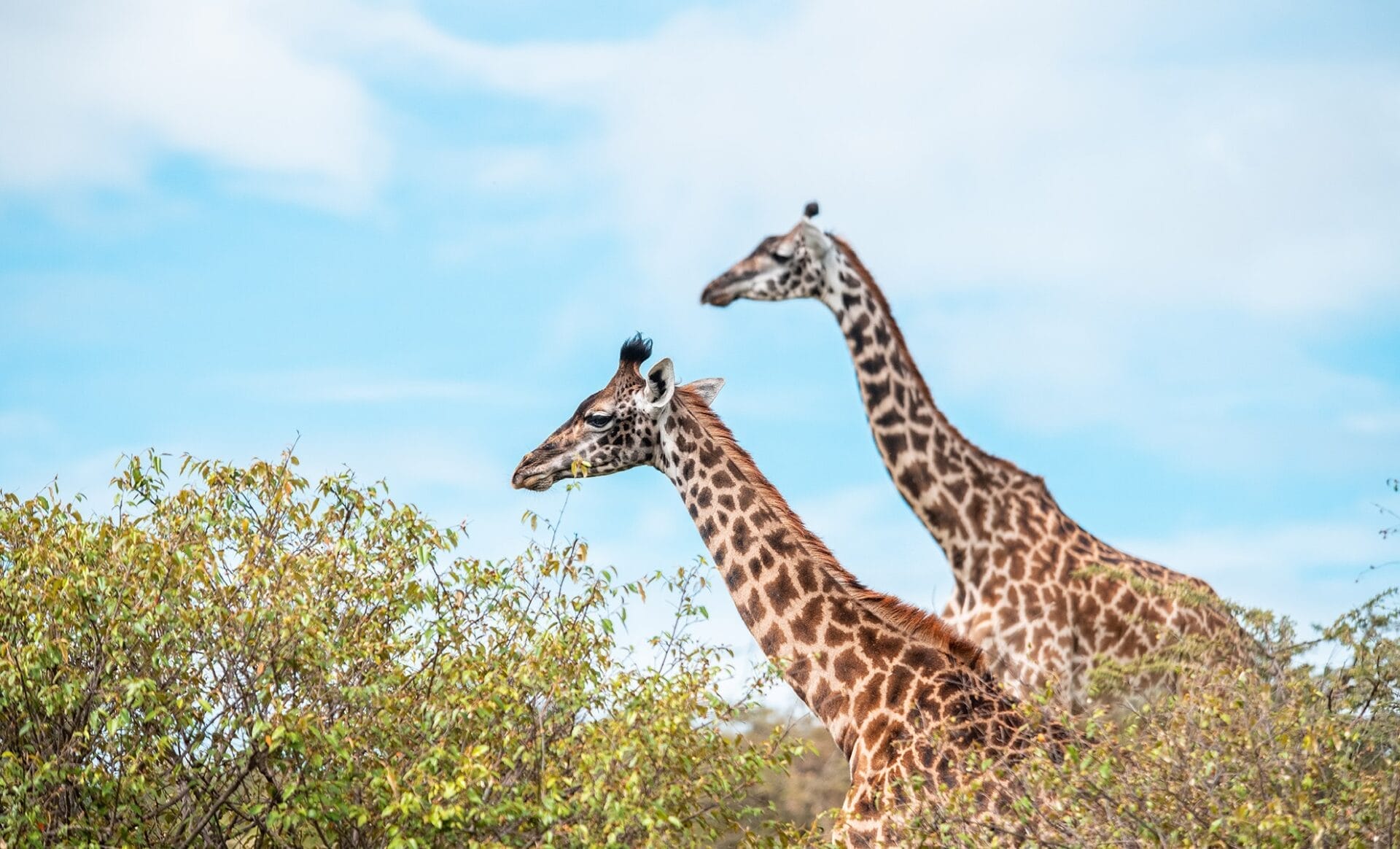
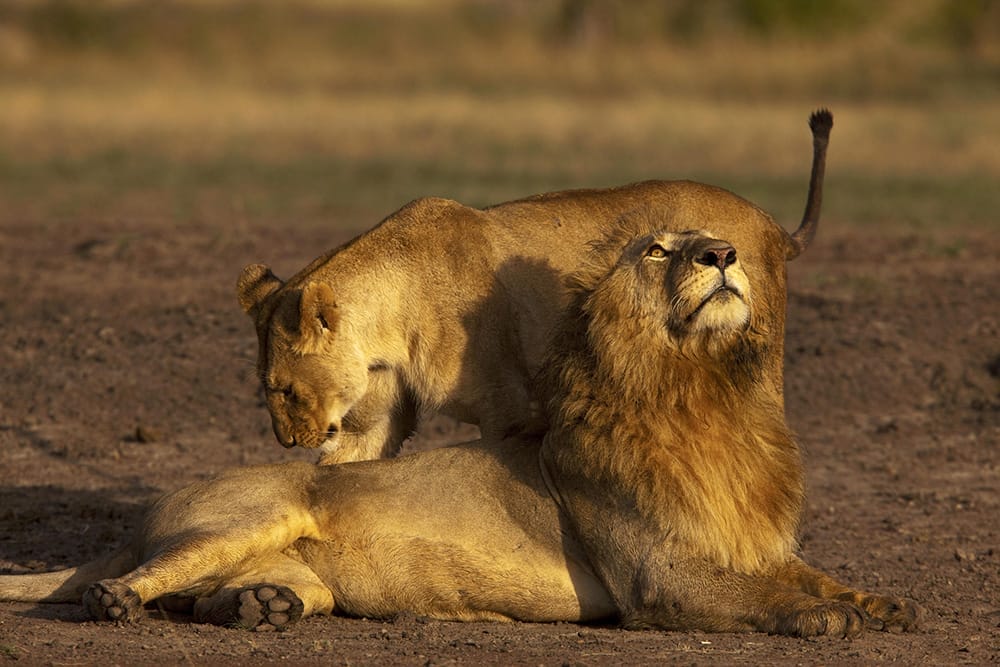
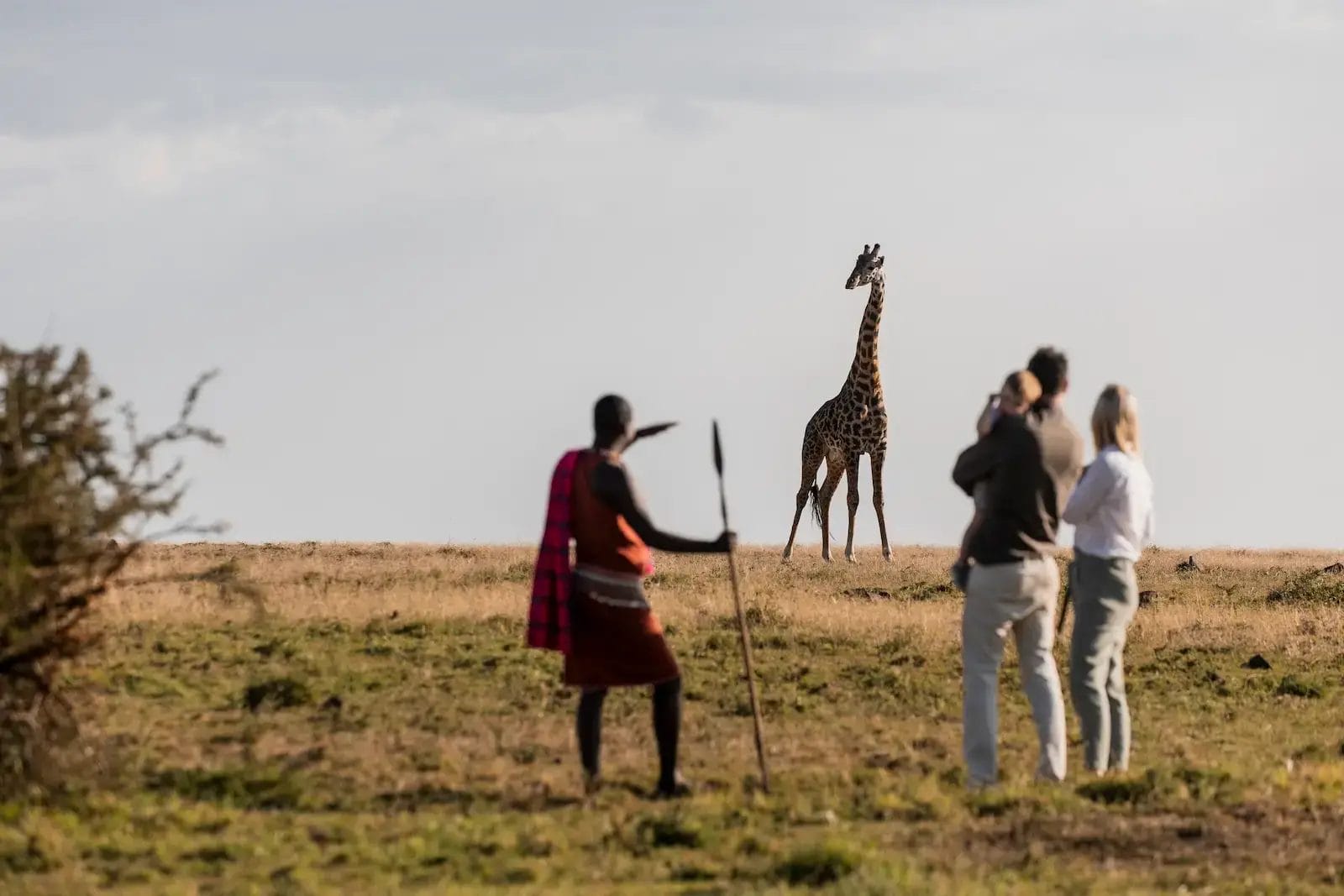
For those seeking a truly authentic experience, the Mara’s private conservancies—Ol Kinyei, Olare Motorogi, Ripoi and Naboisho—offer a more exclusive alternative to the busier National Reserve. These protected lands, set aside by local Maasai communities for wildlife conservation, provide the same extraordinary wildlife viewing with far fewer vehicles. Guests enjoy off-road driving, guided walking safaris, and night game drives—activities not permitted inside the Reserve. It’s here that sightings of lion, leopard, cheetah, elephant, buffalo, and giraffe feel even more intimate, and the birdlife is just as abundant.

The conservancies also ensure tourism directly supports local communities and conservation, creating a model that sustains both people and wildlife. Staying here means contributing to this success while experiencing the Mara at its most pristine.

With its remarkable biodiversity, dramatic seasonal events, and iconic wildlife encounters, the Mara eco-system offers a safari experience like no other. Whether you come for the migration or to witness the everyday drama of predator and prey, a journey into the Mara is a journey into the very heart of wild Africa.

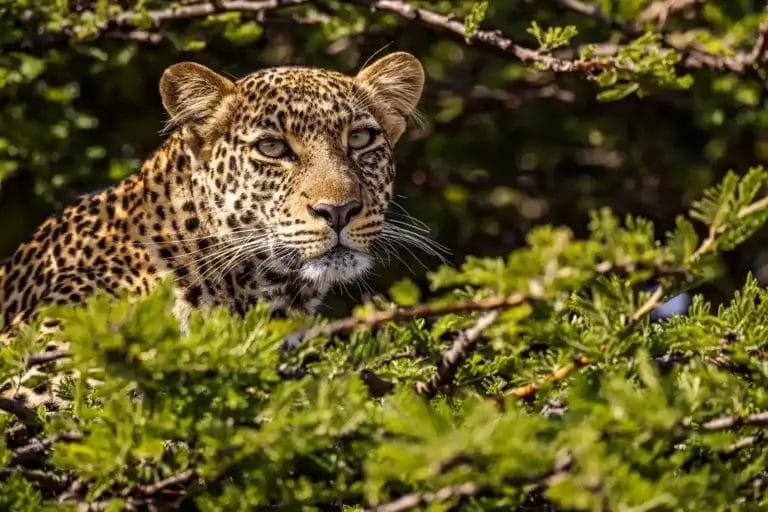
Leopard in the tree in Olare Motorogi Conservancy in Kenya, Photo credit Tomas Rodriguez

Why Maasai Mara Matters

Internationally recognised for its biodiversity, predator populations and seasonal migrations, where hundreds of thousands of wildebeest and zebra move between the Serengeti and the Mara.

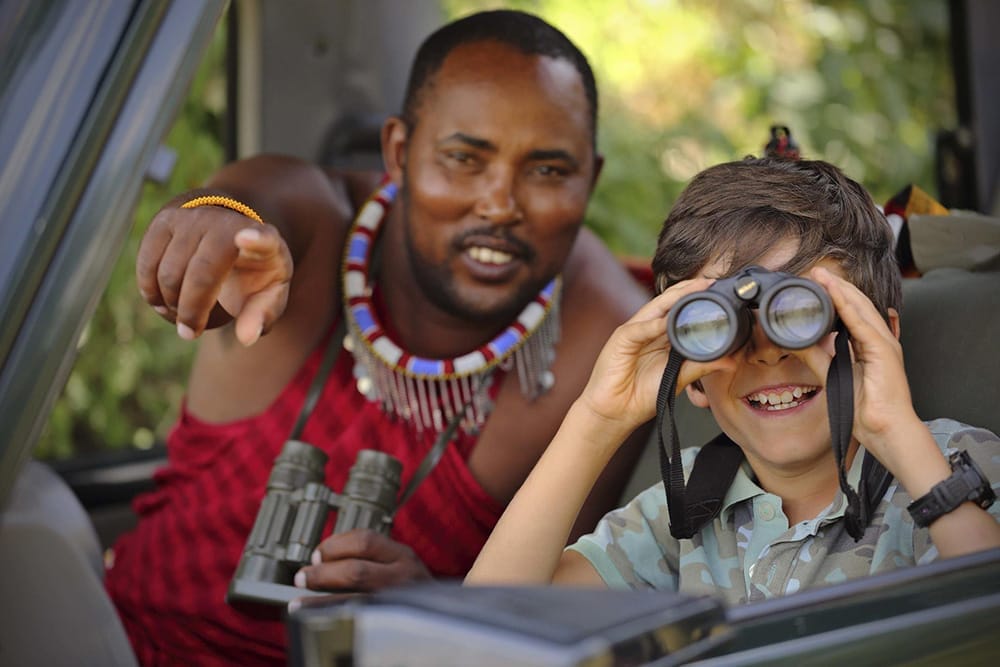
Driver Guide & Tracker from Porini Lion Camp, in Olare Motorogi Conservancy in Kenya, Photo credit Tomas Rodriguez

Community Led Conservation

Equally important are the surrounding community conservancies, where Maasai landowners lease land for wildlife protection. This model limits tourism density, protects habitat, and ensures direct financial benefits to local communities — demonstrating how conservation and livelihoods can work together sustainably.

Mother & her Cheetah cub in the grass, in Olare Motorogi Conservancy in Kenya, Photo credit Tomas Rodriguez

Wildlife & Landscape

The Mara’s sweeping savannahs, acacia woodlands and river systems create ideal habitat for a remarkable diversity of species. Wildlife viewing is rewarding year-round, with each season offering distinct highlights — from dramatic migration crossings to quieter months of resident predator activity.

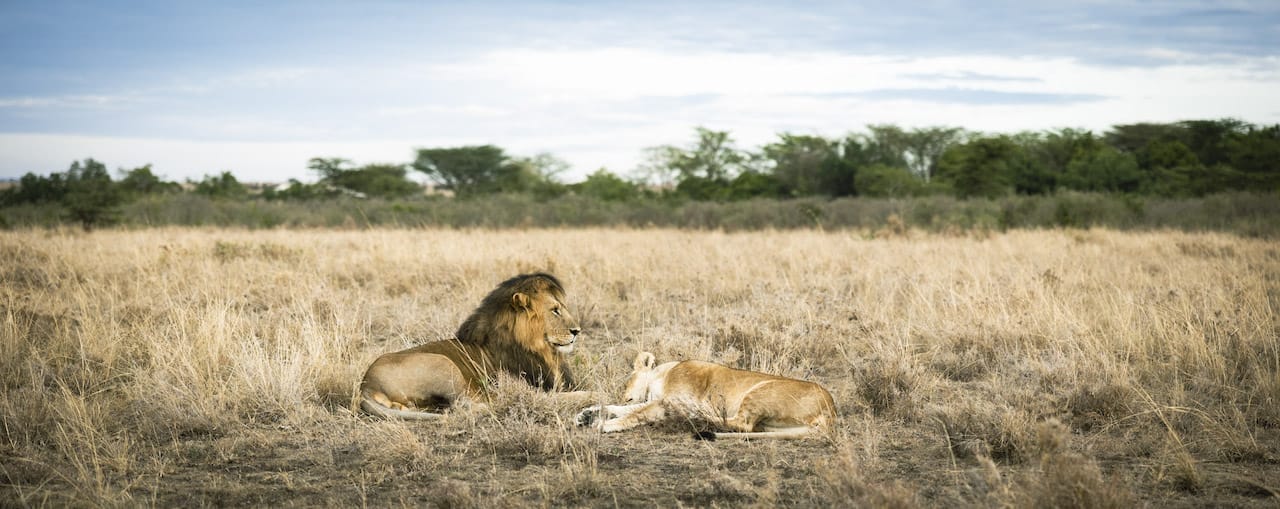
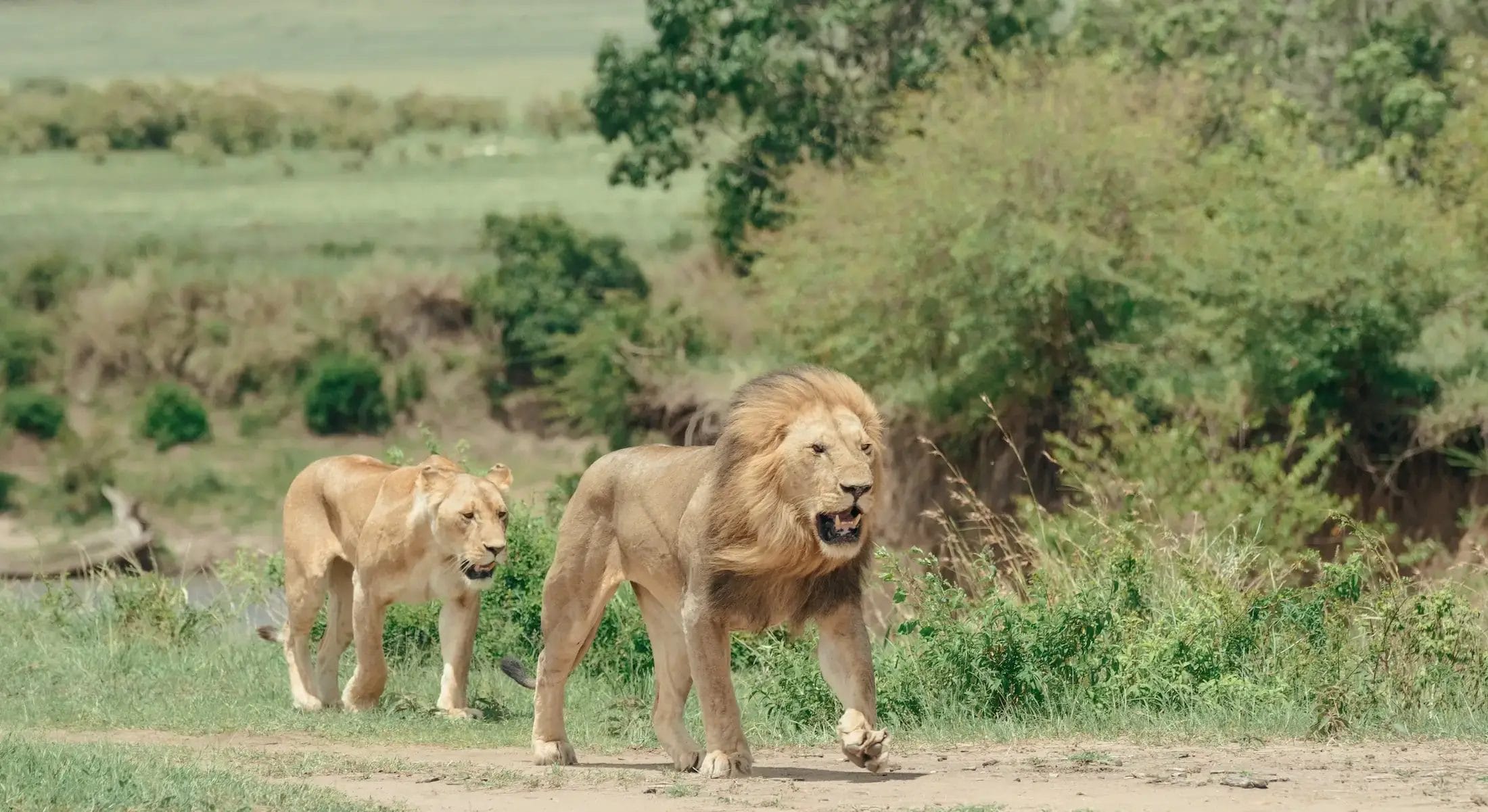
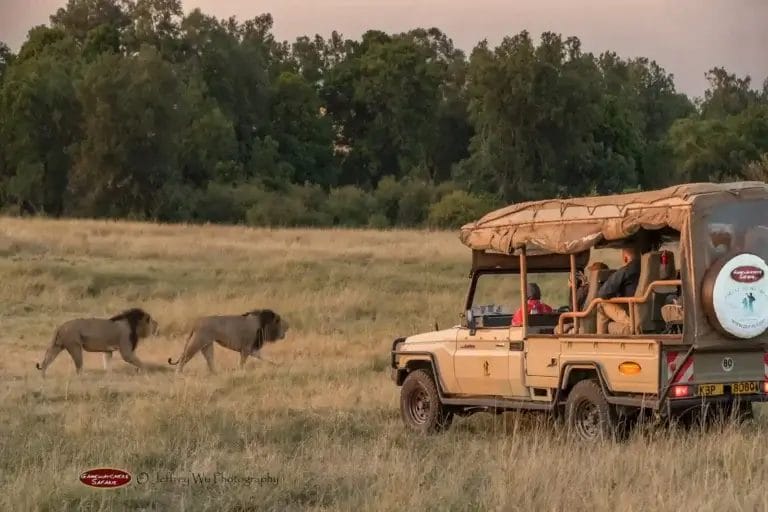
Two male lions in the grass with gamedrive vehicle from Porini Lion Camp, in Olare Motorogi Conservancy in Kenya, Photo credit Jeffery Wu Photography

Maasai Mara Safari Experiences

The surrounding private conservancies provide a more exclusive safari environment with lower vehicle numbers and flexible guiding. Visitor numbers are strictly limited, creating quieter sightings and a deeper connection to the landscape.

Leopard in the tree in Olare Motorogi Conservancy in Kenya, Photo credit Tomas Rodriguez

Why Maasai Mara Matters

Internationally recognised for its biodiversity, predator populations and seasonal migrations, where hundreds of thousands of wildebeest and zebra move between the Serengeti and the Mara.

Driver Guide & Tracker from Porini Lion Camp, in Olare Motorogi Conservancy in Kenya, Photo credit Tomas Rodriguez

Community Led Conservation

Equally important are the surrounding community conservancies, where Maasai landowners lease land for wildlife protection. This model limits tourism density, protects habitat, and ensures direct financial benefits to local communities — demonstrating how conservation and livelihoods can work together sustainably.

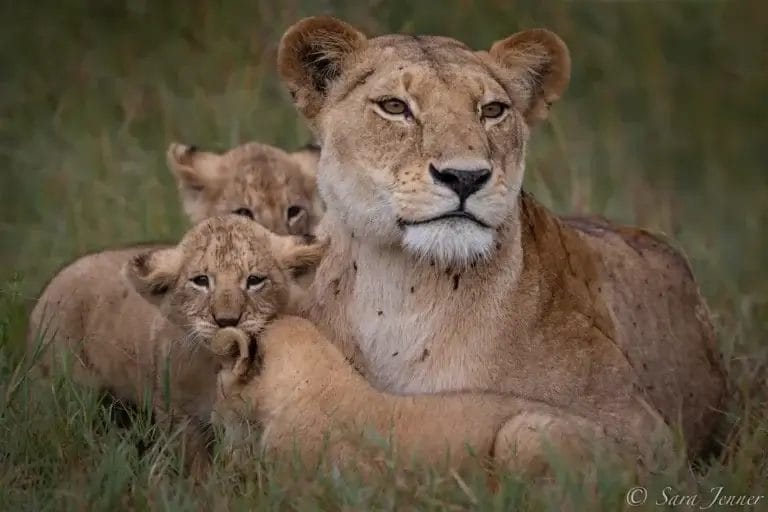
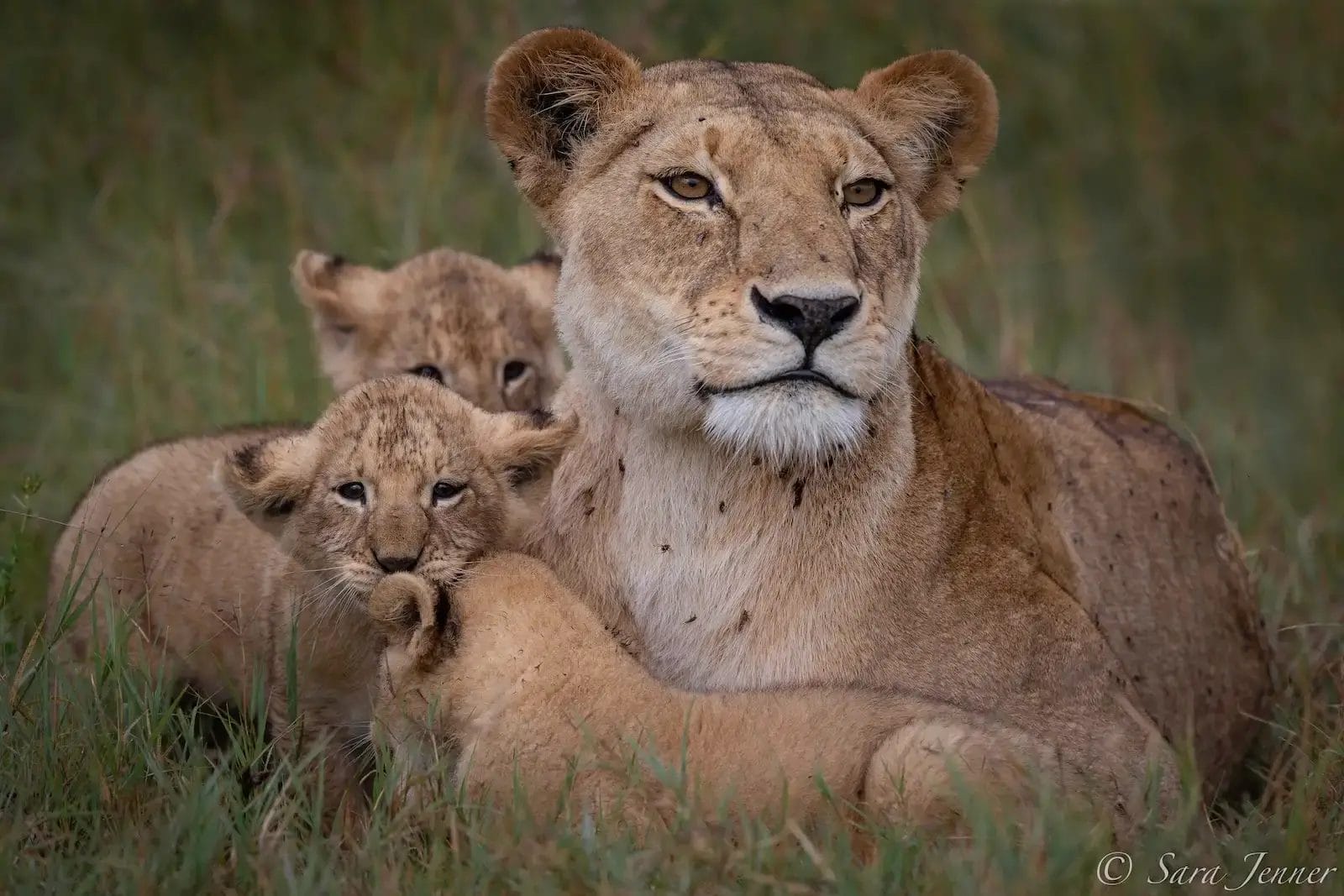
Mother & her lion cubs in the grass, taken on a game drive from Porini Lion Camp, in Olare Motorogi Conservancy in Kenya, Photo credit Sara Jenner

Wildlife & Landscape

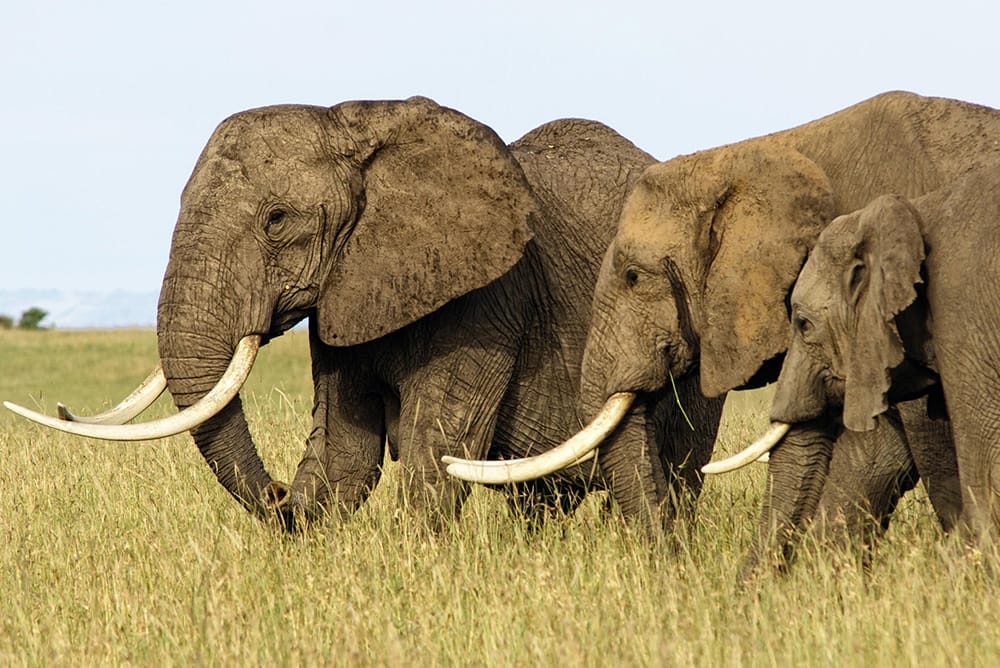
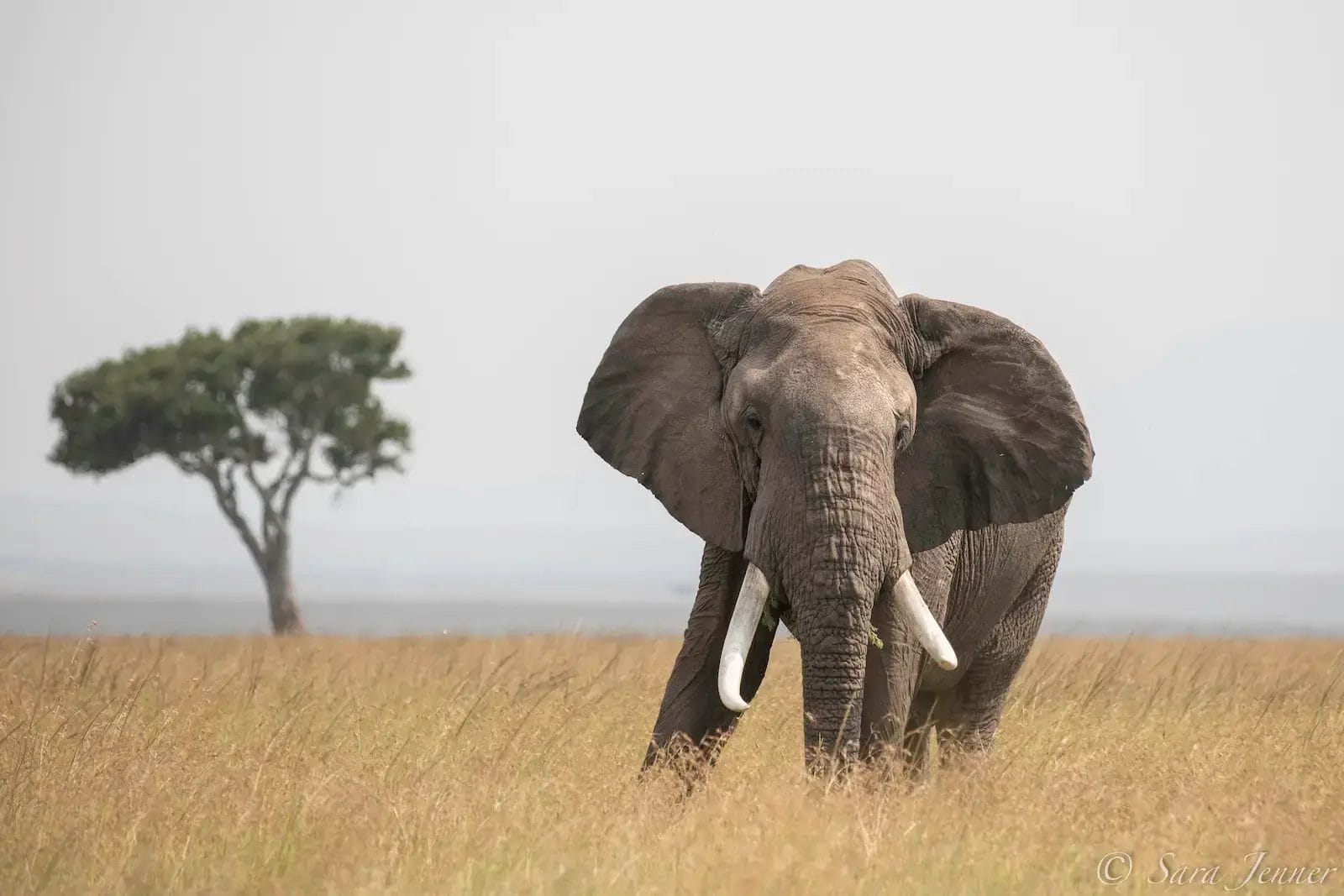
With only one small eco camp within Selenkay Conservancy, guests staying at Porini Amboseli Camp,  are ensured an exclusive and low-impact experience across thousands of acres of unspoiled habitat. This approach has allowed wildlife to return and flourish, including elephants that had been absent from the area for nearly two decades.

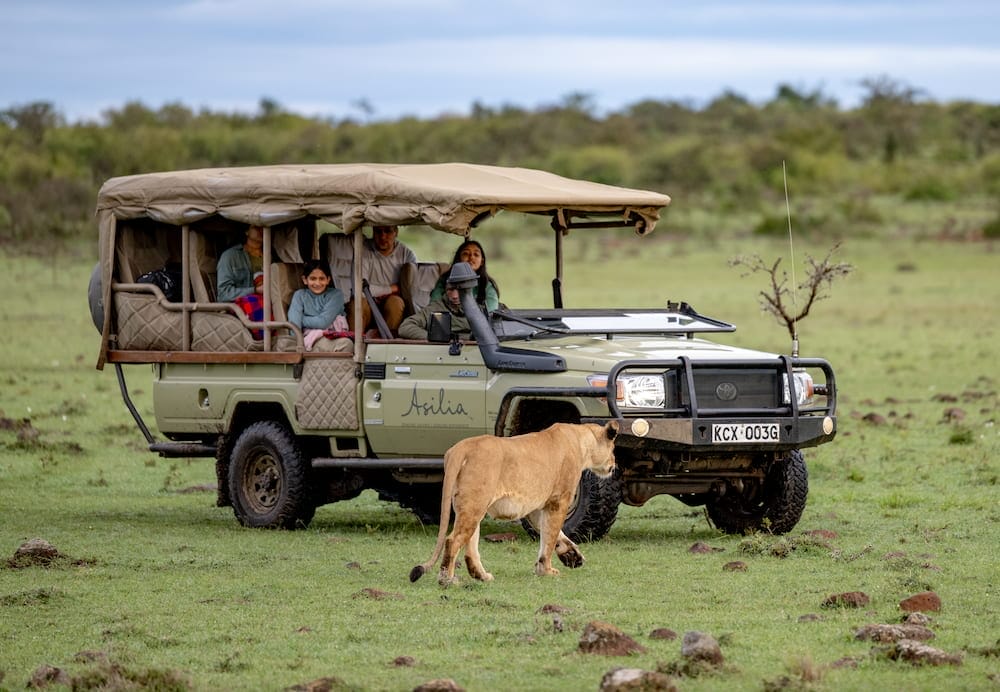
Two male lions in the grass with gamedrive vehicle from Porini Lion Camp, in Olare Motorogi Conservancy in Kenya, Photo credit Jeffery Wu Photography

Maasai Mara Safari Experiences

The surrounding private conservancies provide a more exclusive safari environment with lower vehicle numbers and flexible guiding. Visitor numbers are strictly limited, creating quieter sightings and a deeper connection to the landscape.

A Truly Exceptional Masai Mara Safari – Perfectly Organized by Gamewatchers Safaris
Philippi
Our first Masai Mara safari was flawlessly organized by Gamewatchers Safaris & Porini Camps, and it exceeded every expectation. From the very beginning, the booking process was professional, responsive and transparent. Every detail was clearly explained, and the entire planning phase gave us complete confidence. The organization on the ground was equally precise — transfers, flights,, timings and camp coordination were perfectly handled.
Unbelievable 5* experience!
JP
Great people, unbelievable camp setup, and the animals were beyond description. Can't say enough about Porini Mara and the entire experience!
Perfect African safari
Curious26898020636
Perfect combination of luxury tented camp, experienced and friendly Masai staff and guides, extraordinary animal sightings. All in a beautiful setting. An amazing African safari experience. I keep going back for more! The Porini philosophy of working closely with the local Masai people and high emphasis on land and wildlife conservation also makes the camp very special.

Maasai Mara: Wildlife Highlights

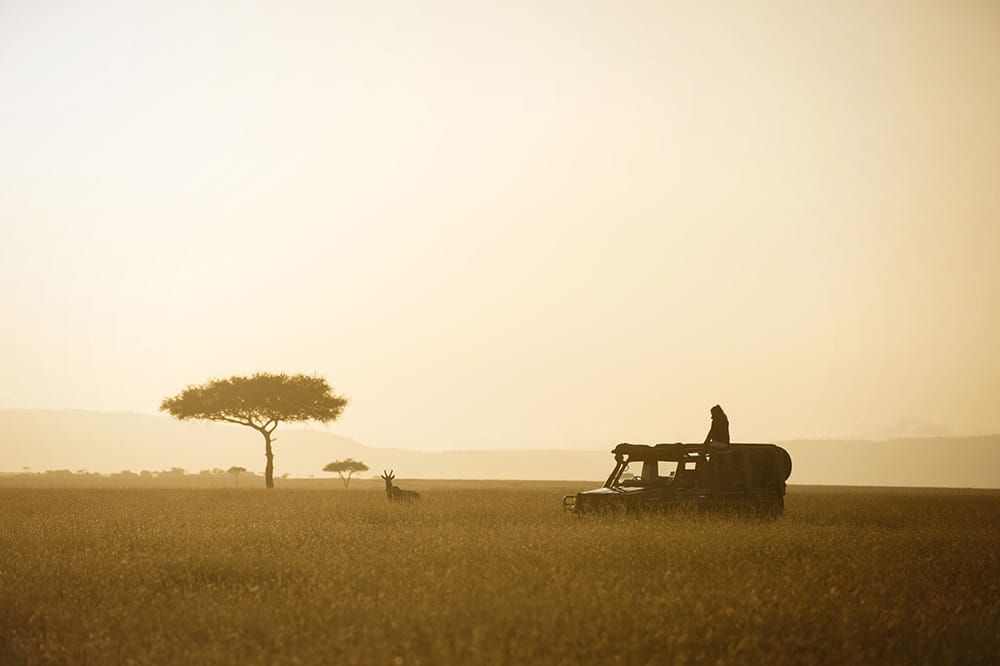
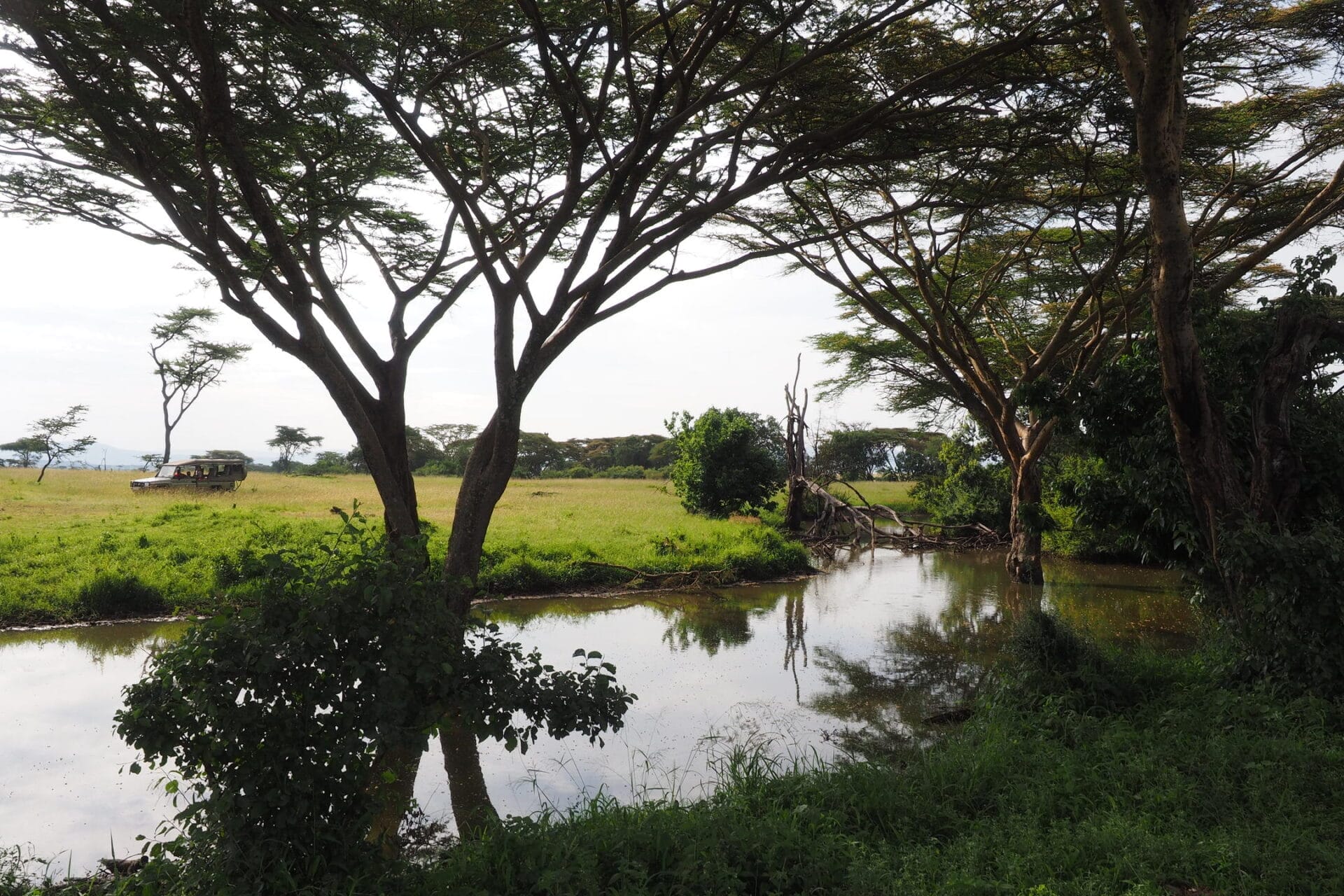
The Maasai Mara’s sweeping savannahs, acacia-dotted plains and riverine habitats support exceptional wildlife, including renowned big cat populations, offering consistent, close range sightings throughout the year.

Wildlife you may see on a Maasai Mara safari:

When is the best time to visit Maasai Mara?

Wildlife spotting is excellent year-round, with each season offering unique highlights.

The Great Wildebeest Migration

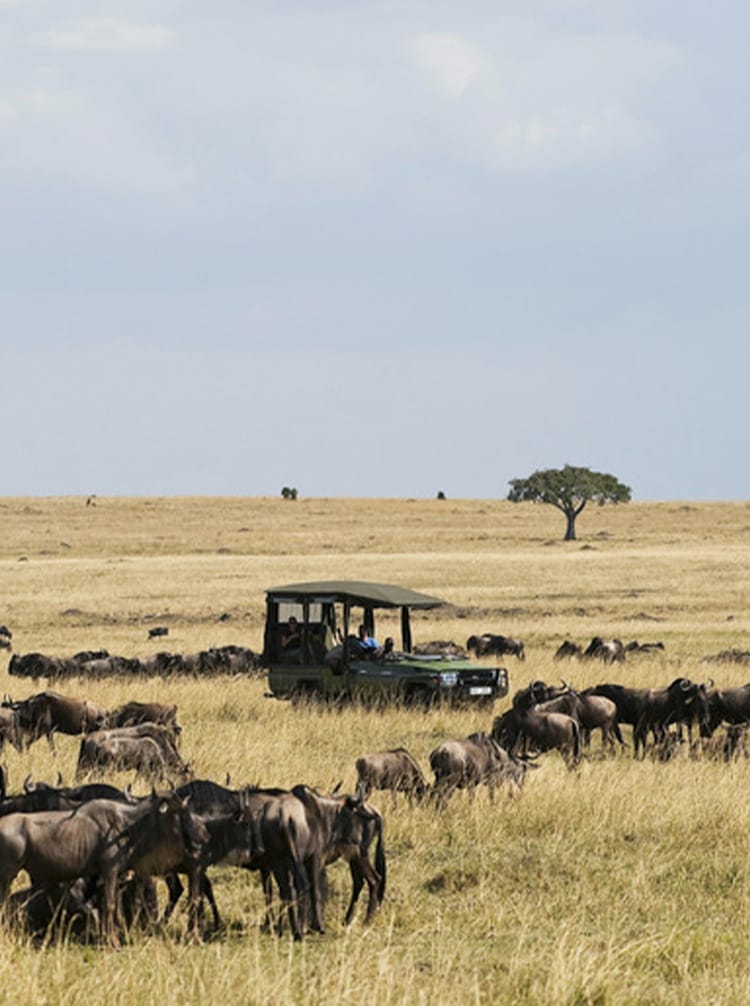
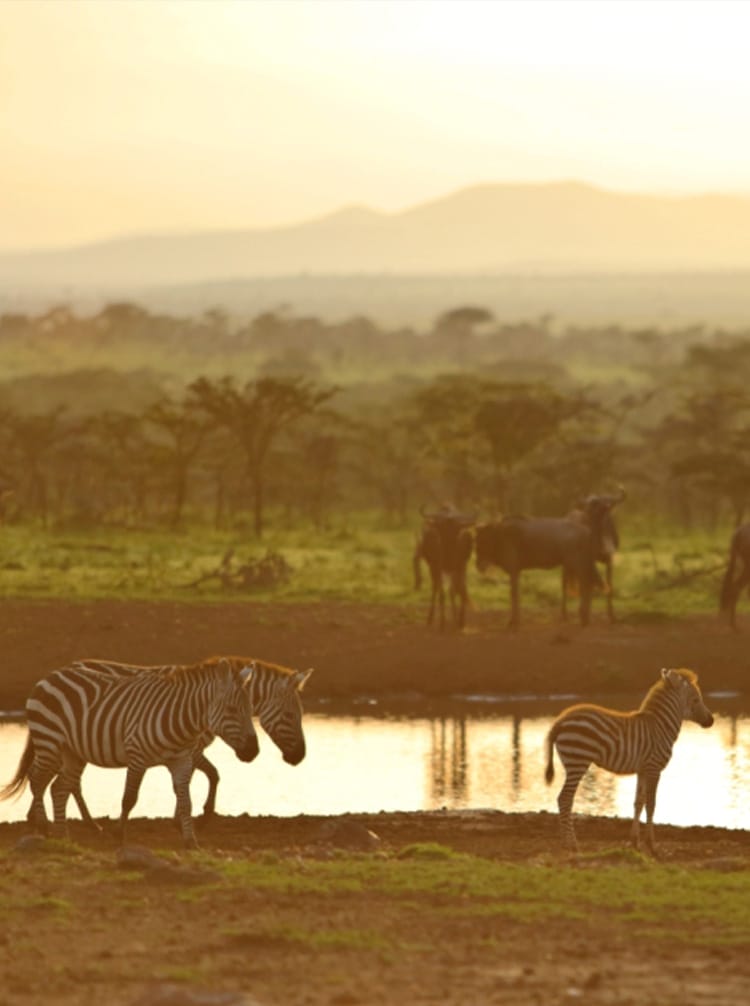
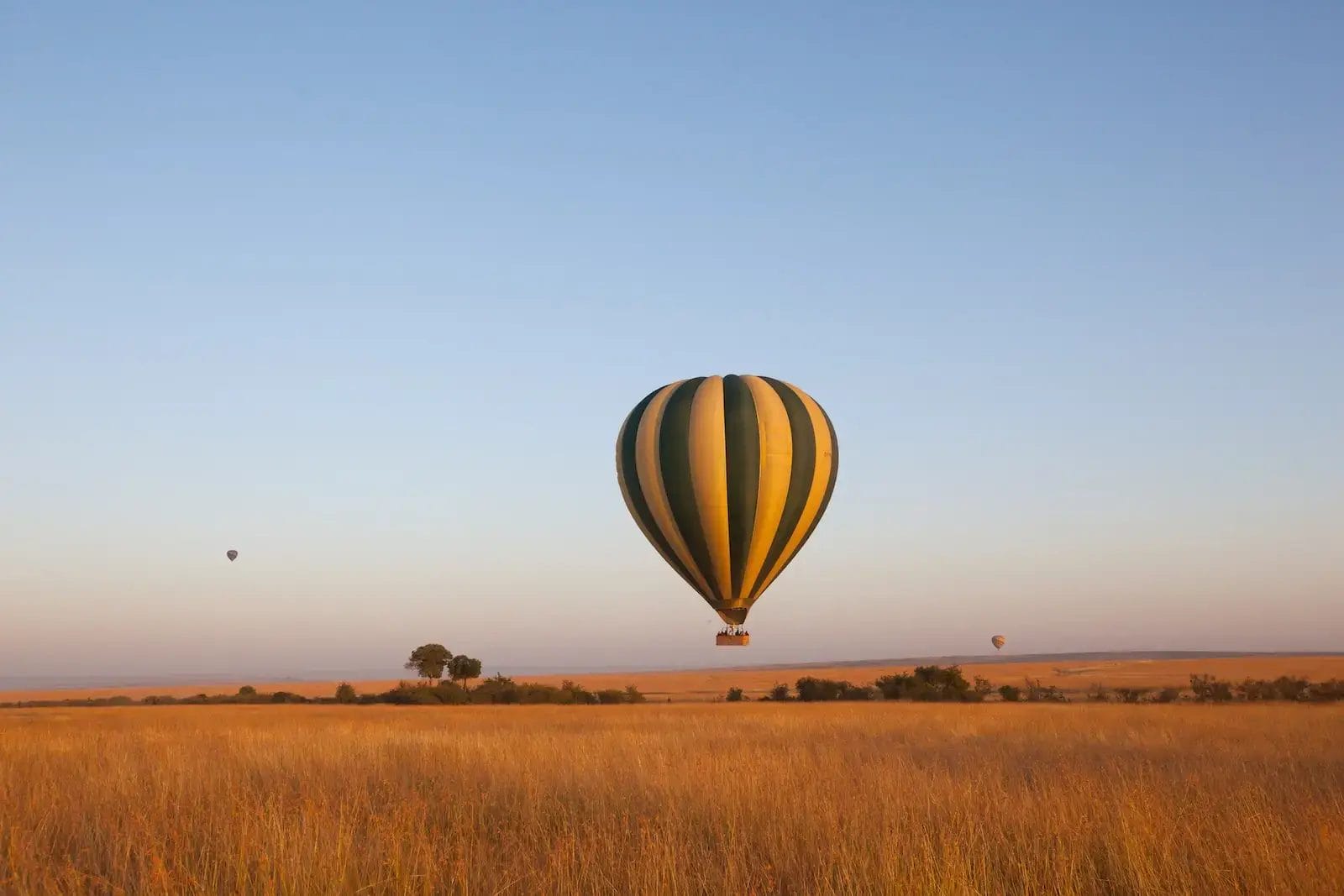
Between approximately July and October, large herds of wildebeest and zebra enter the Maasai Mara from Tanzania’s Serengeti ecosystem. River crossings along the Mara River are among the most sought-after wildlife spectacles in Africa.

While migration timing varies with rainfall, the Mara supports abundant resident wildlife throughout the year, making it a strong safari destination in every season.

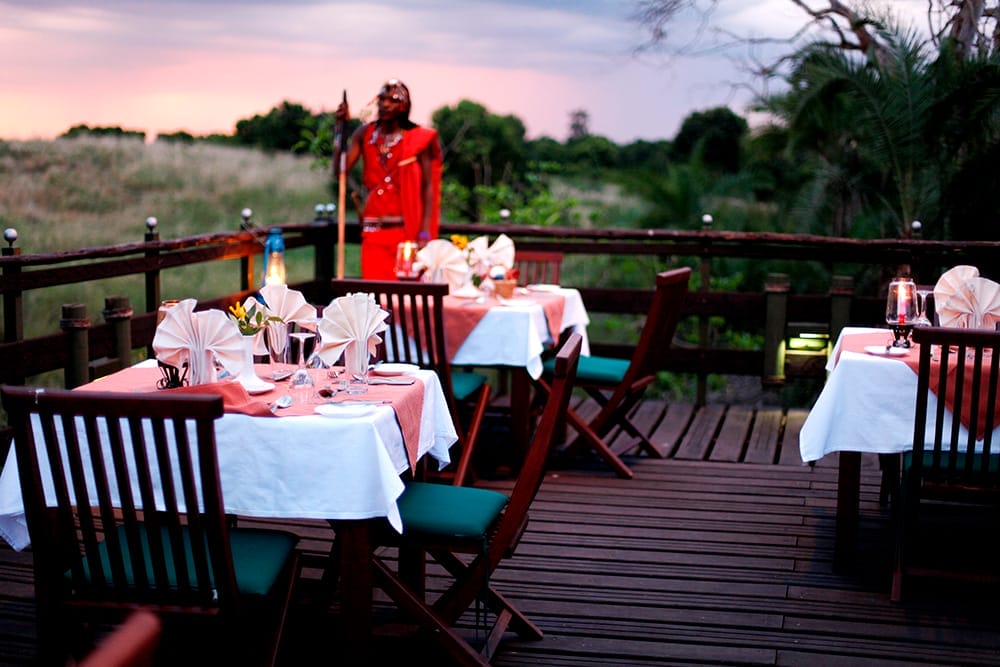
A Taste of Maasai Mara

Where is Maasai Mara?

The Maasai Mara lies within the greater Serengeti–Mara ecosystem, forming a vital cross-border wildlife landscape that supports seasonal migrations and year-round resident wildlife.

The Maasai  Mara lies within the greater Serengeti-Mara ecosystem, forming a vital cross-border wildlife landscape that supports seasonal migrations and year-round resident wildlife.

The Maasai Mara Reserve is accessible by both air and road, with most guests opting to fly from Nairobi’s Wilson Airport, which is approximately 45-60 minutes away. Road transfers from Nairobi take approximately 5-6 hours via the scenic Great Rift Valley. 

Gamewatchers Safaris will arrange all transfers, ensuring a smooth start to your Maasai Mara safari.

While the main Maasai Mara National Reserve offers incredible sightings, the true magic of a Maasai Mara safari is often found in the surrounding private conservancies. Areas like Ol Kinyei, Olare Motorogi, Ripoi, and Naboisho are community-leased areas that provide a more exclusive and immersive experience.

Guests who choose to stay in a private conservancy benefit from:

Fewer vehicles: Enjoy a serene and personal safari without the crowds found in the main Maasai Mara National Park.

Flexibility:  Conservancies permit activities such as guided bush walks, off-road driving, and night game drives to observe nocturnal species.

Community benefit: Your stay directly supports the local Maasai landowners who lease their land for conservation. Tourism revenue provides reliable income to communities, supports local employment, education initiatives and long-term conservation management.

Wildlife benefit: The conservancy model surrounding the Maasai Mara plays a critical role in protecting wildlife corridors and reducing pressure on the national reserve.

Choosing to stay within a private conservancy directly contributes to sustainable land use and biodiversity protection.

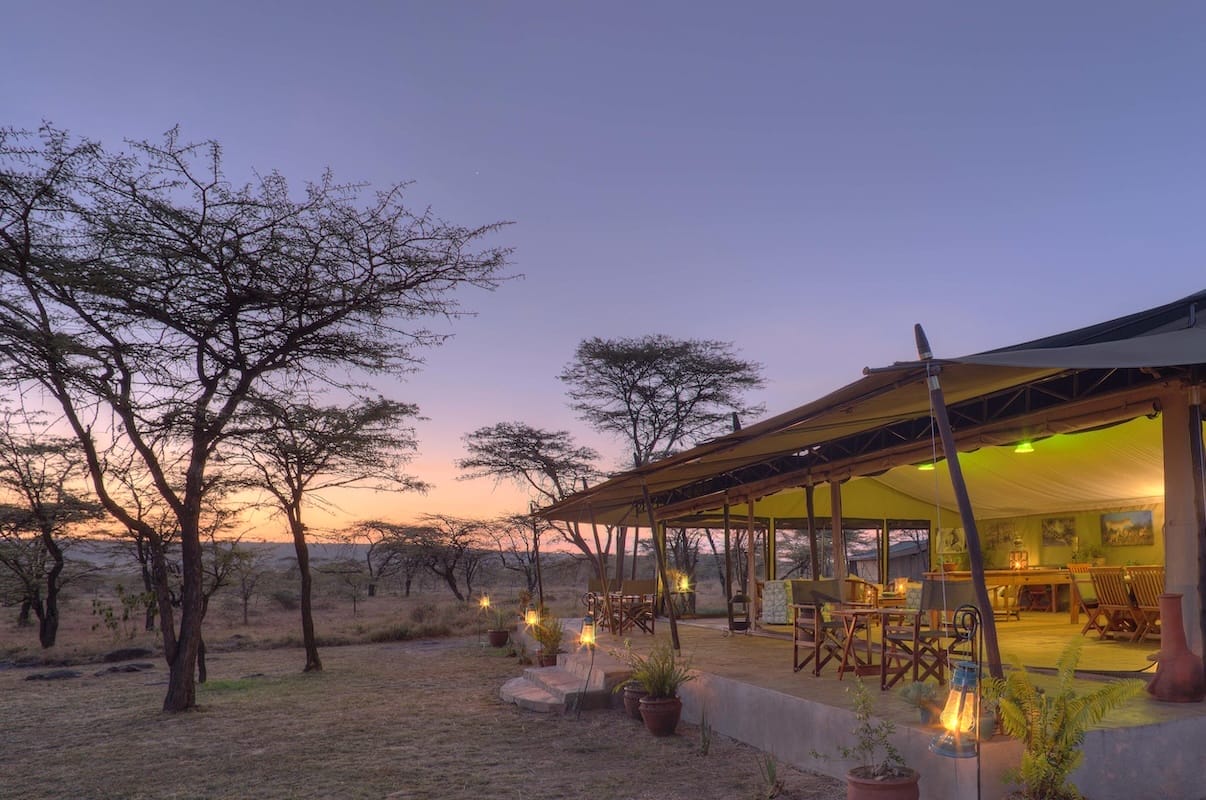
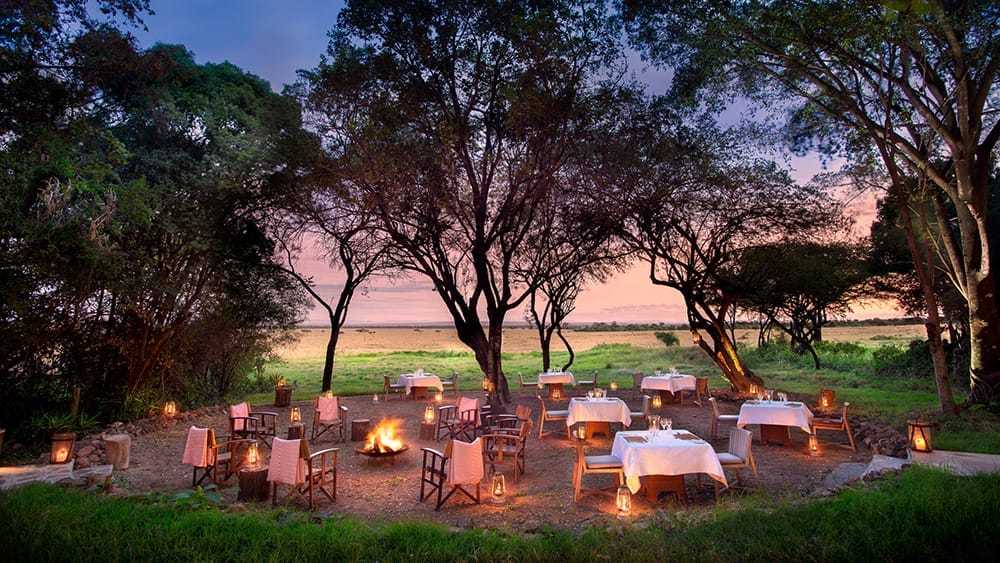
Our Porini Camps are extra special. That means we are able to offer our guests much more than typical safari experiences.

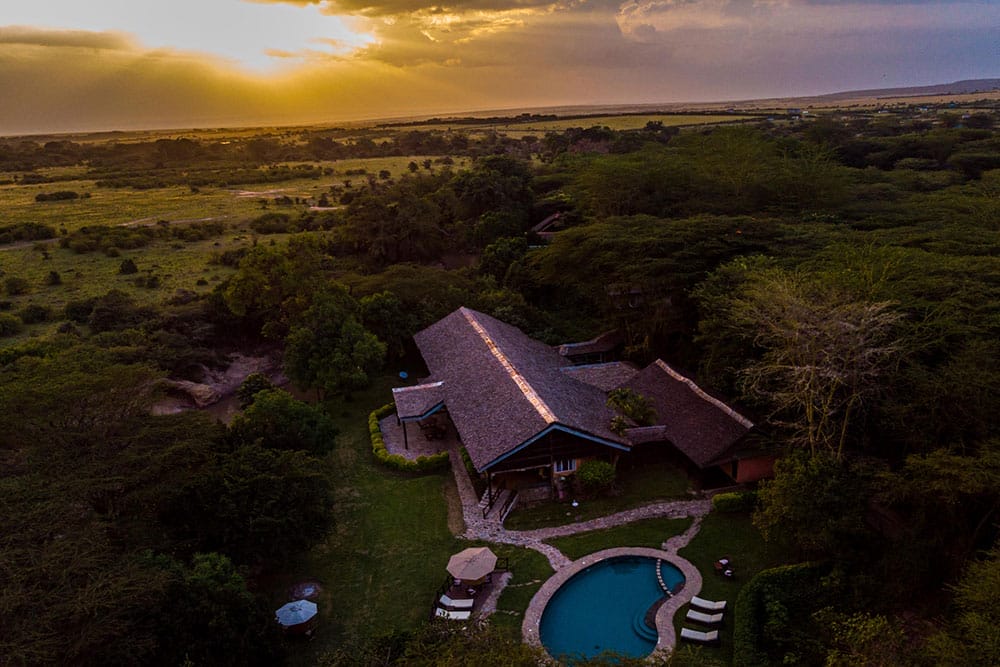
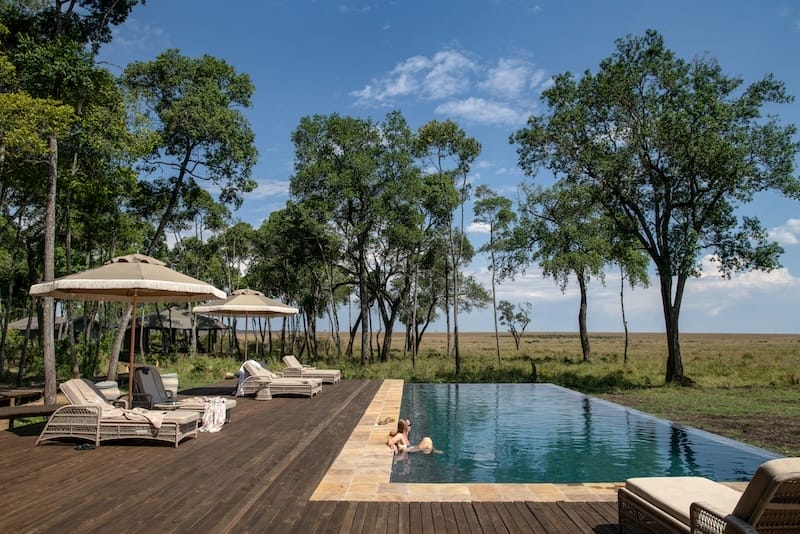
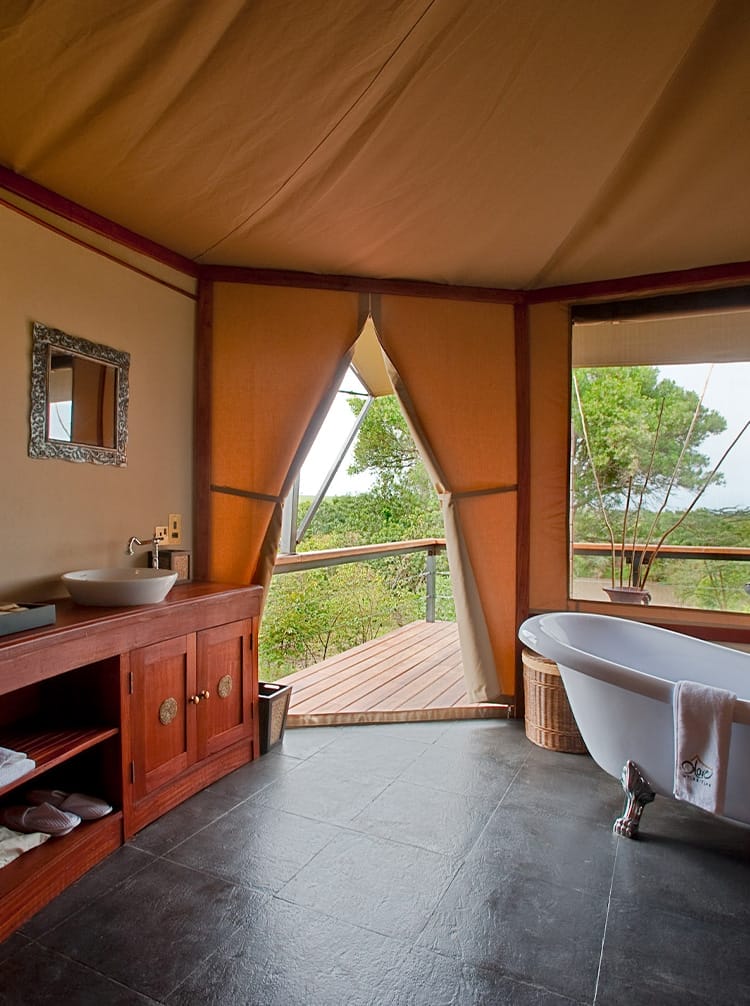
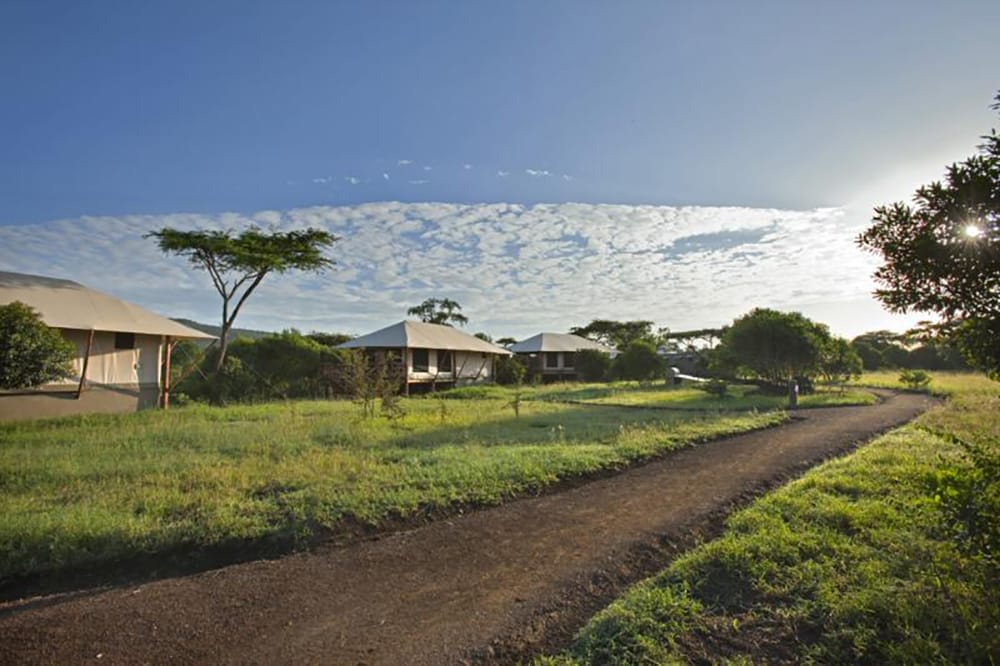
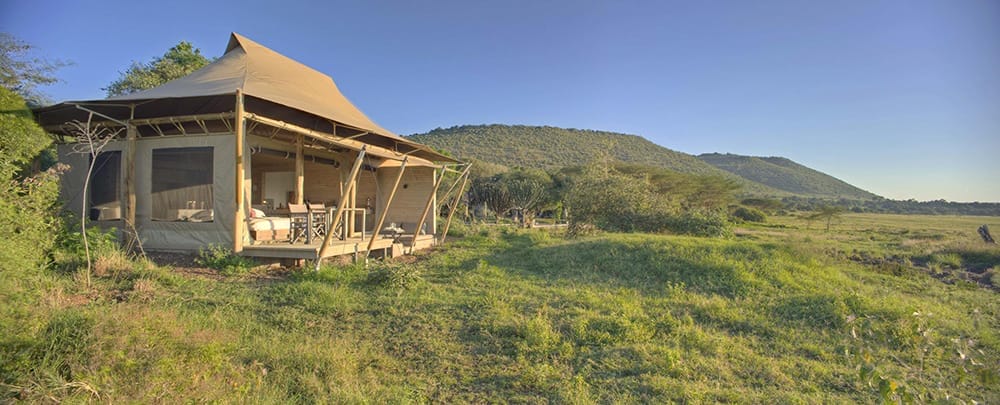
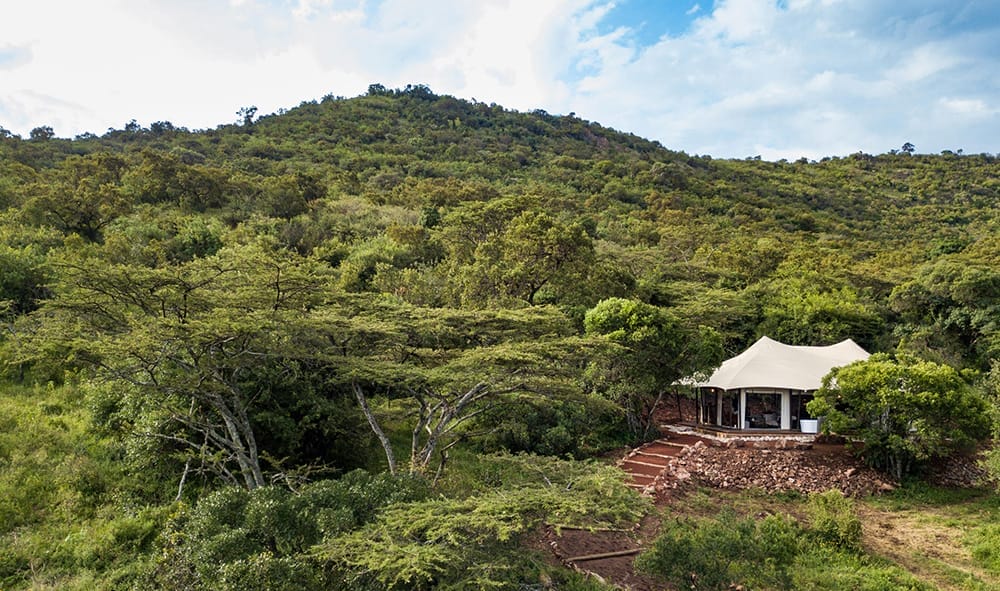
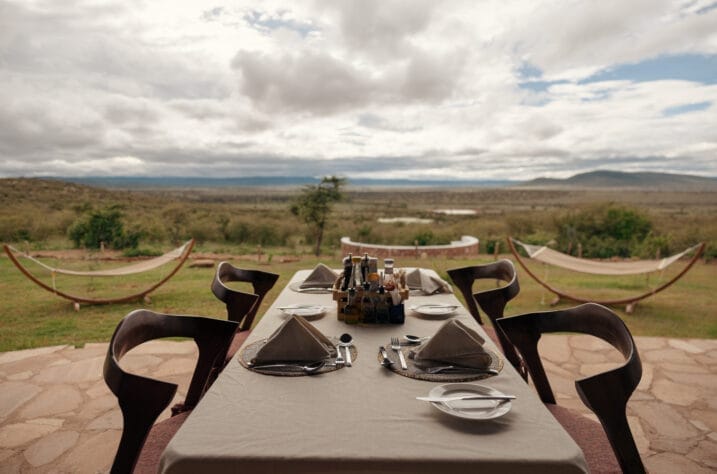
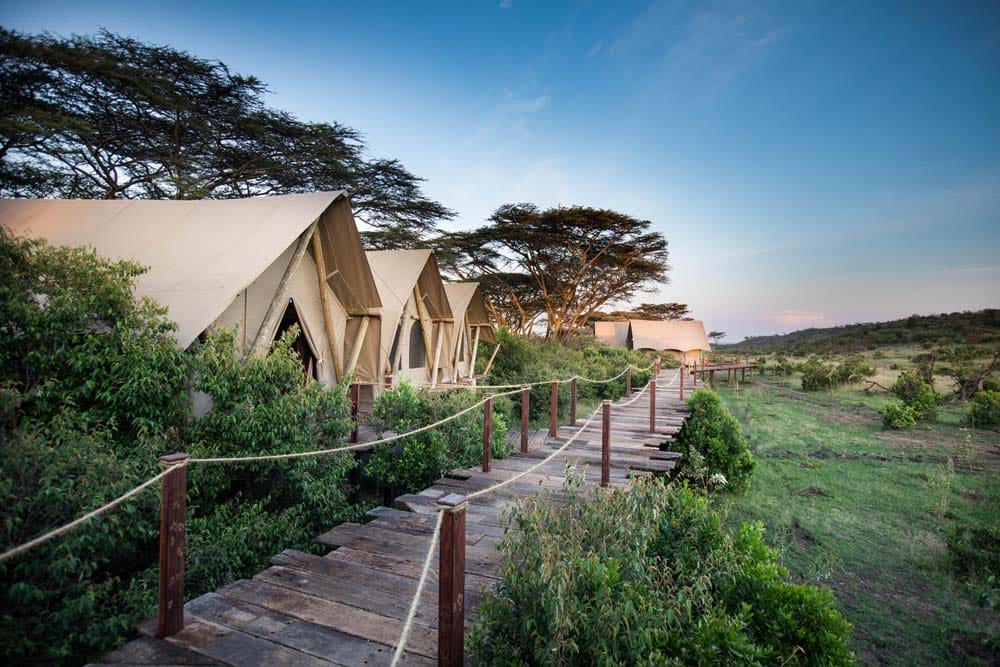
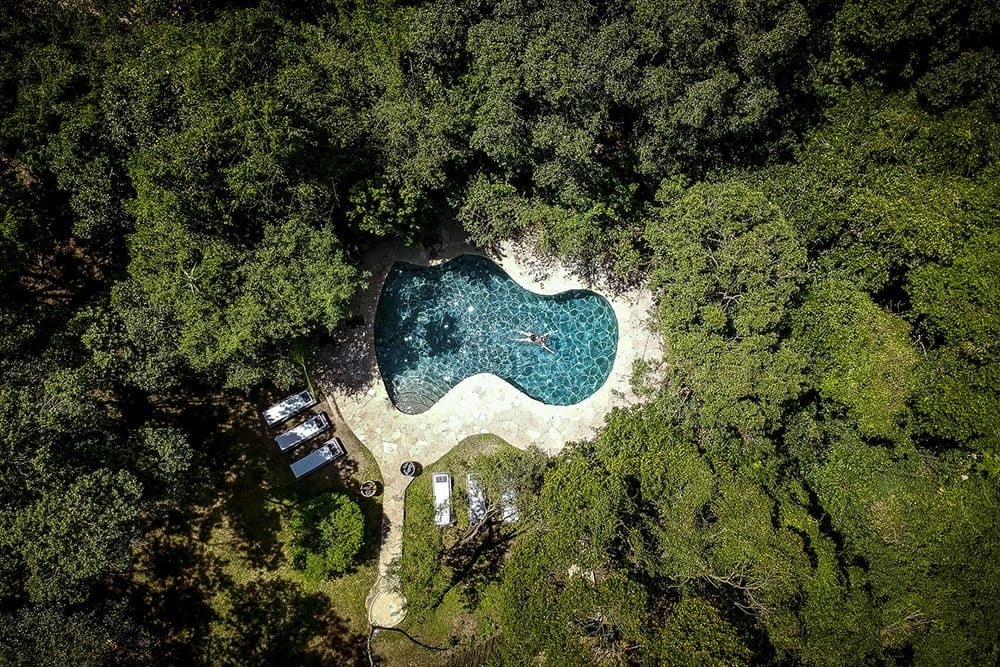
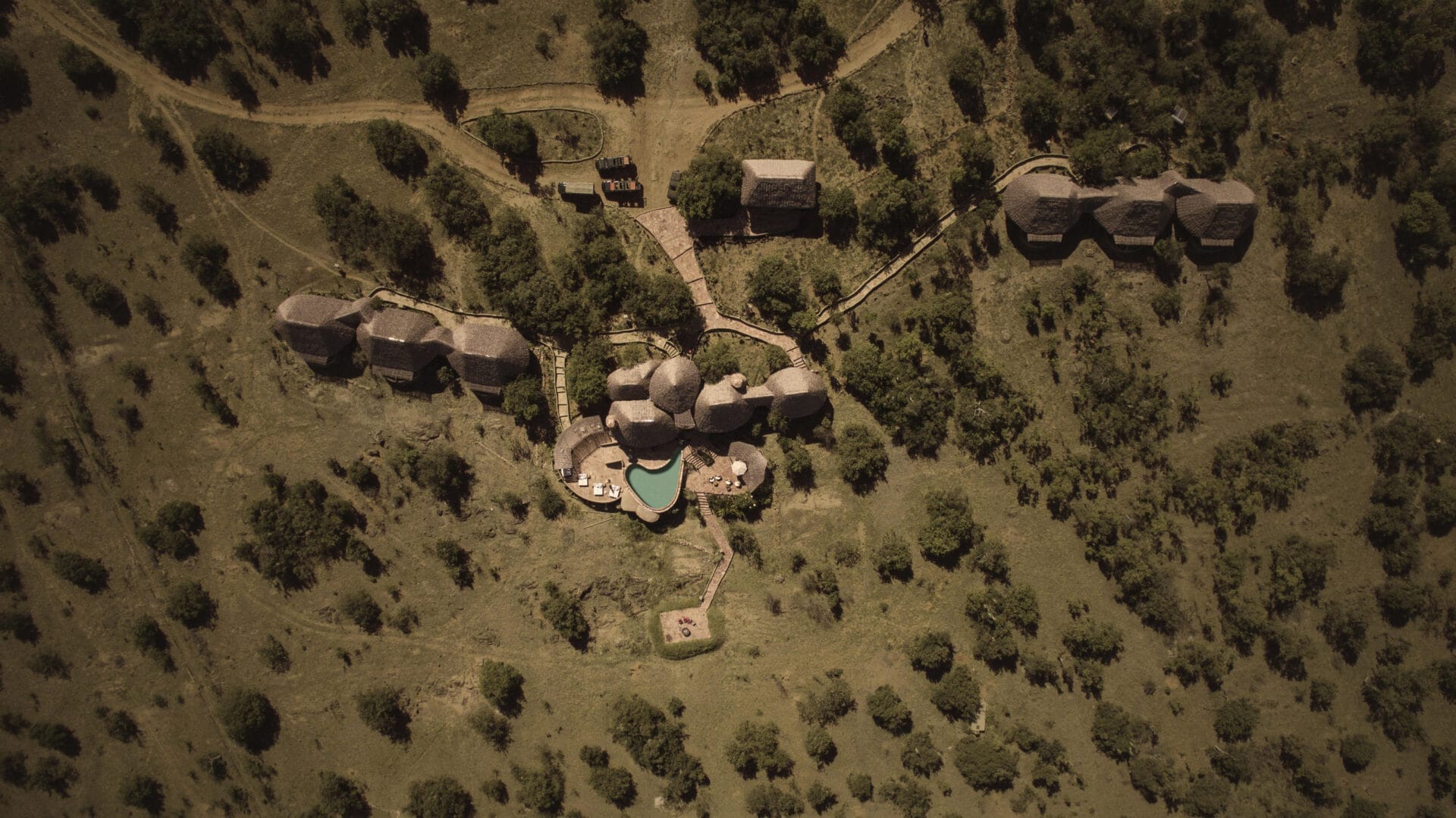
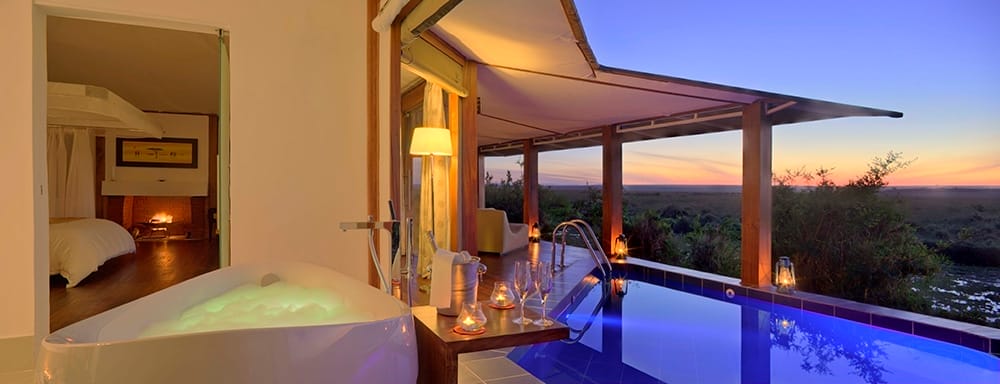
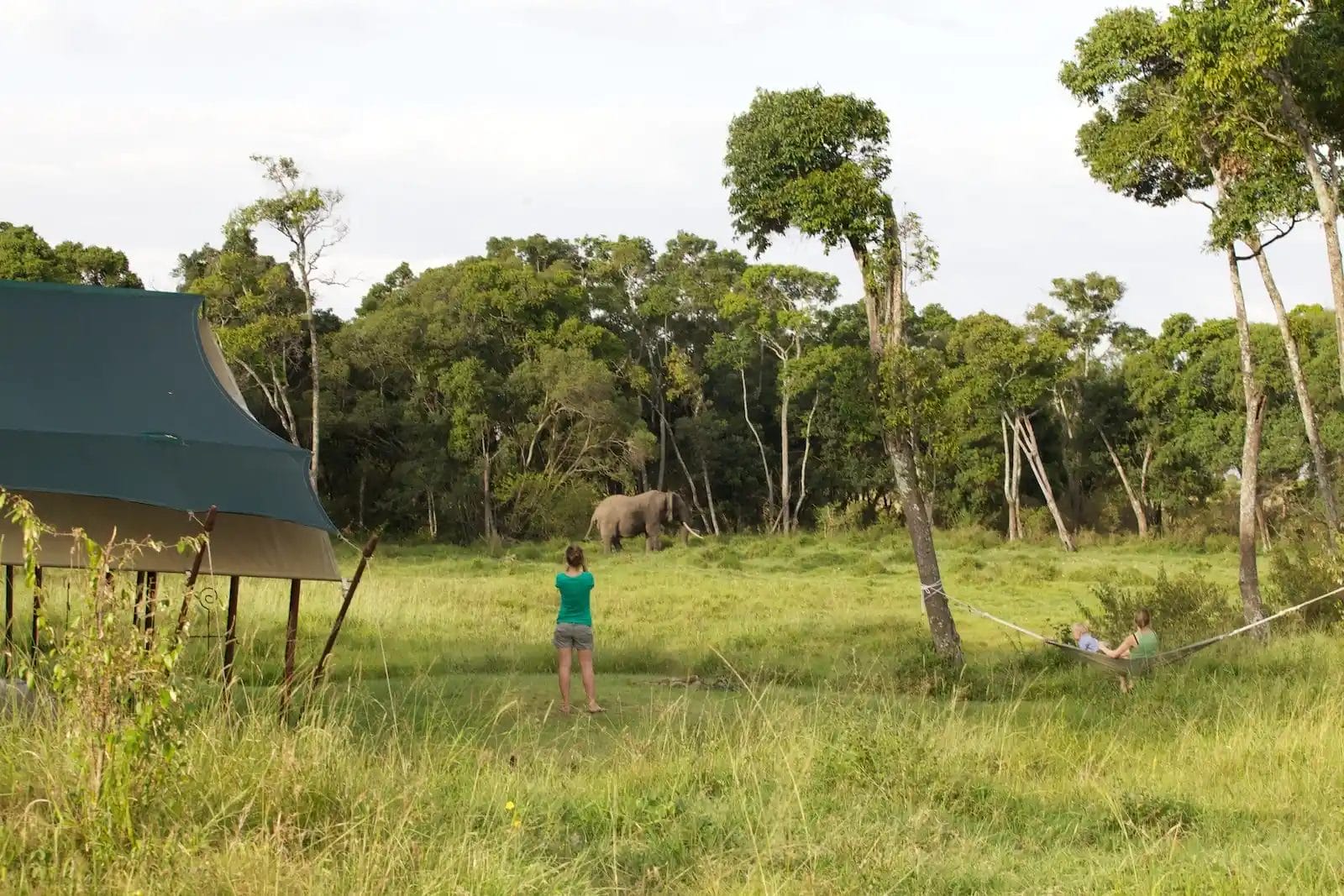
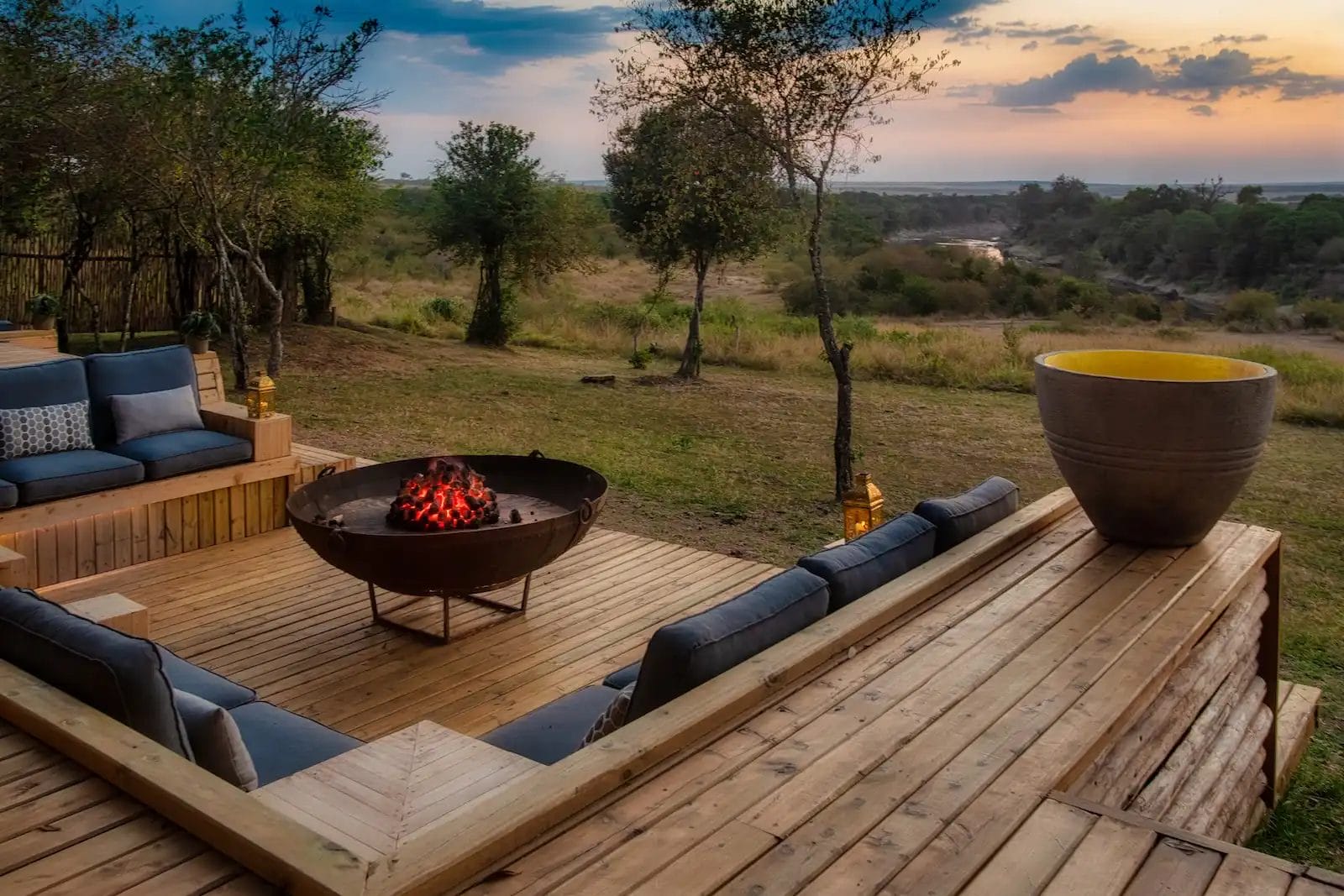
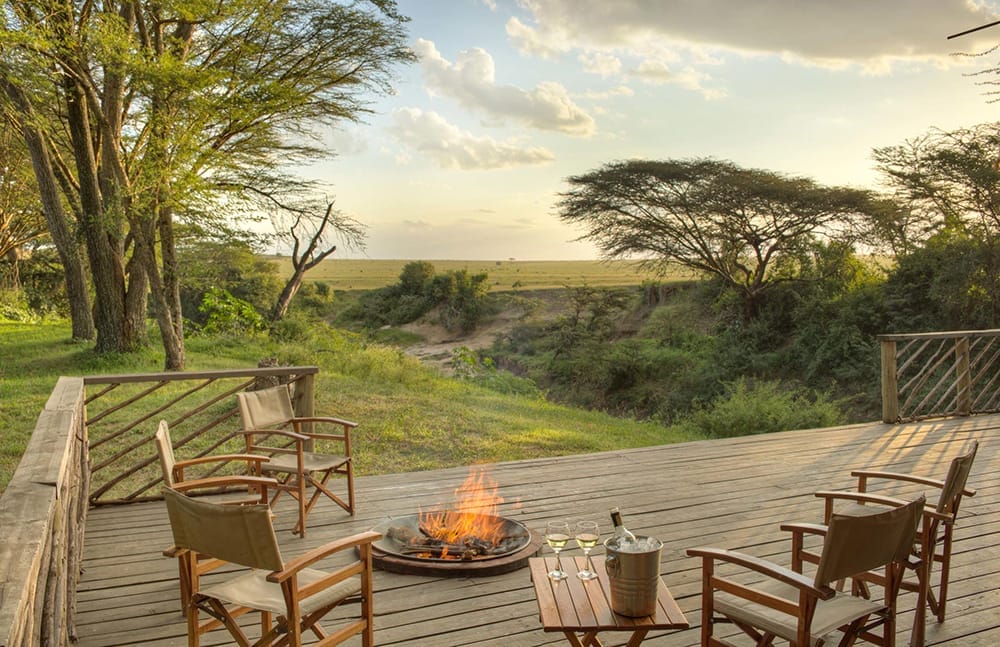
You’ll stay in a small eco-safari camp with private en-suite tents, excellent food, and all the comfortable modern amenities at hand.

Unlike national parks and other public game reserves, our private conservancies limit guests and vehicles. Offering a peaceful, crowd-free experience with more intimate wildlife encounters and a deeper connection to nature.  

The limited number of vehicles in the conservancies allows for more flexible and customised game drives. Meaning you’ll have the freedom to explore at your own pace, with expert guides tailoring the experience based on your specific interests, whether it’s birdwatching, photography, or tracking a particular animal.

Private Conservancies – A Deeper Safari

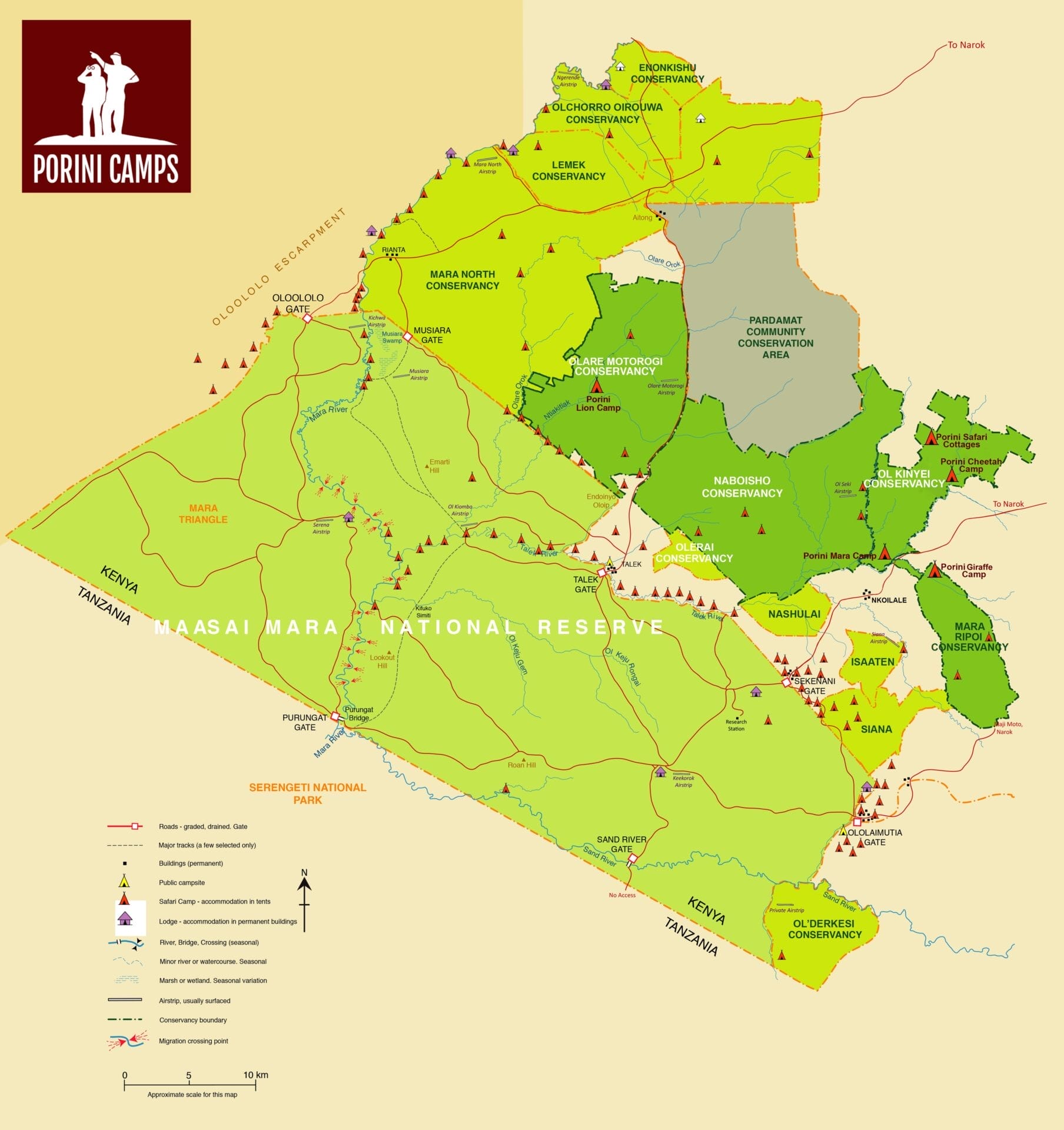
The Masai Mara region is comprised not only of the Masai Mara National Reserve (the original, state-run park) but of a vast area to the north of the Reserve, and for many years now,  some of this has been set aside for wildlife and conservation of the habitat adjacent to the Mara Resreve. These are private areas of pristine wilderness with strict controls on the number of visitors and vehicles permitted. In each Conservancy there are normally just a handful of small safari camps with their guests gaining exclusive access to thousands of hectares of prime game-viewing land.

Nature doesn’t recognise borders and as a result the Mara conservancies have provided an additional area of  sanctuary for many animals wishing to disperse beyond the National Reserve where there may be higher volumes of tourists and safari vehicle traffic especially in the peak season months.

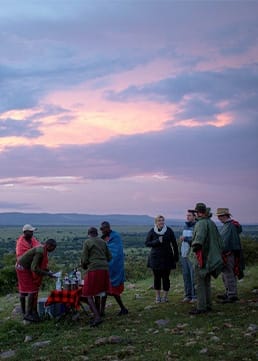
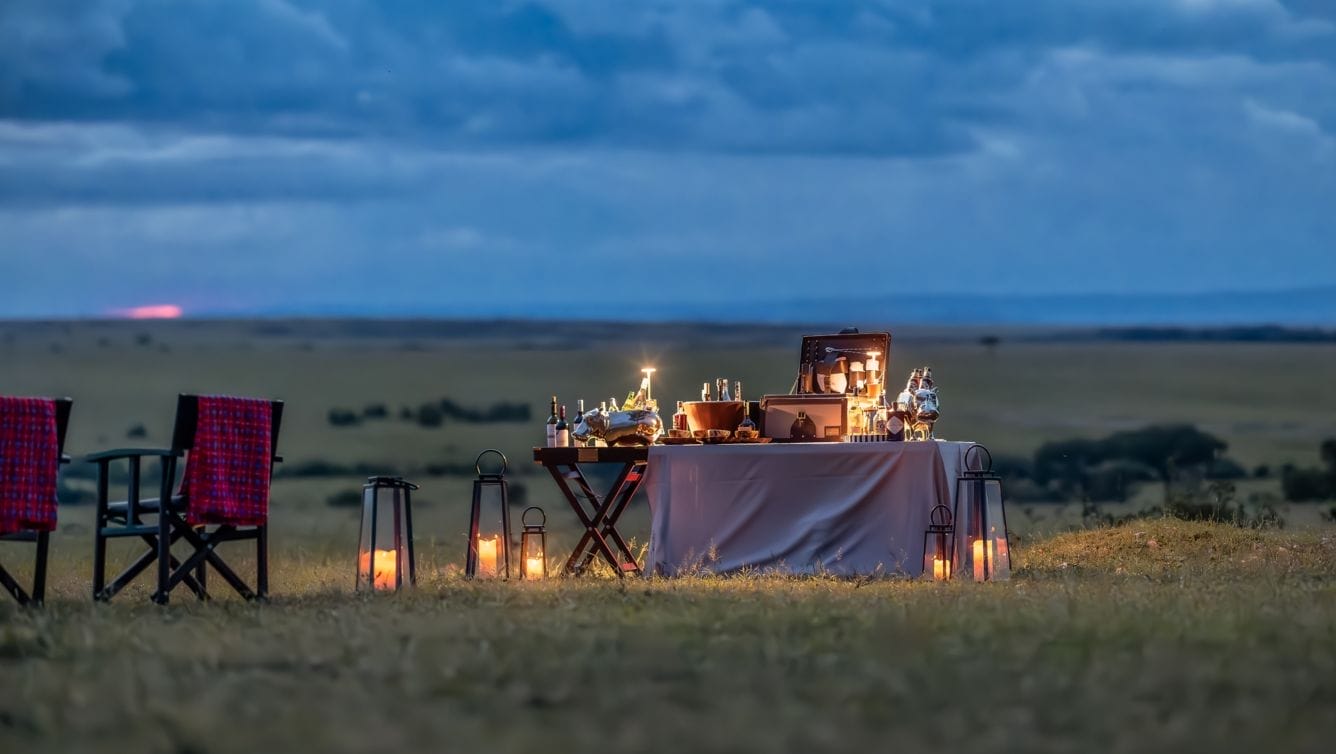
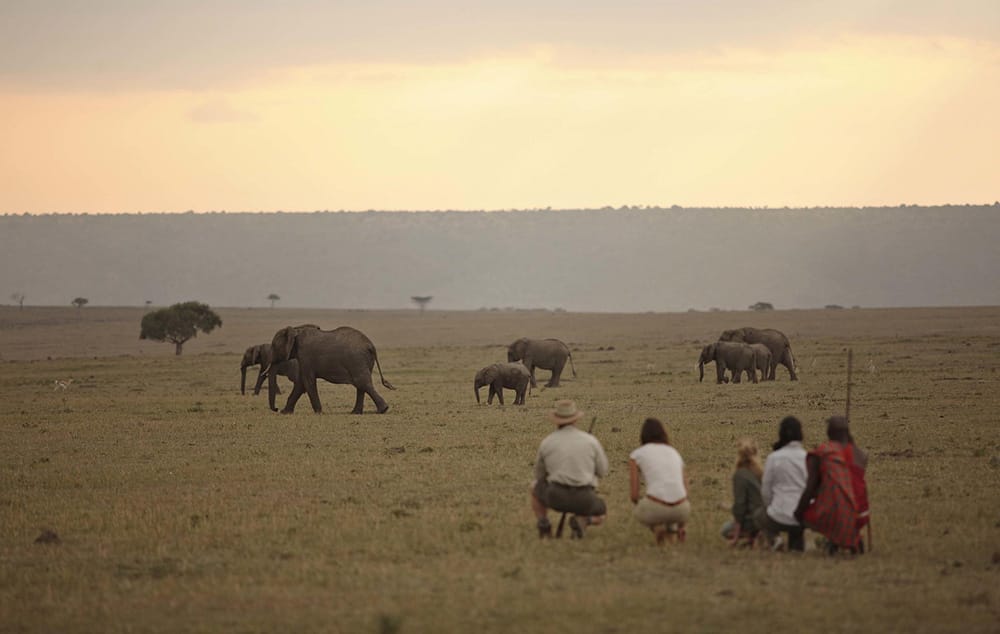
Guests staying on the conservancies also benefit from additional activities not allowed in the main Reserve such as guided safari walks, off road driving with experienced driver-guides, meals in the bush and night game drives to observe the area’s nocturnal species.

We operate within the Ol Kinyei, Olare Motorogi, Ripoi and Naboisho Conservancies – although there are a large number of private conservancy and concession areas within the Mara Eco-system.

Where to Stay in the Masai Mara Eco-System

Maasai Mara National Park Accommodation

Mara North Conservancy Accommodation

Other Mara Conservancy Accommodation

Talk to a Specialist

Our experienced Safari Consultants—based in Nairobi and around the world—are here to guide you every step of the way. From expert advice to seamless planning, we’ll take care of every detail to create a safari that’s perfectly tailored to you.

Get in touch today, and a dedicated Safari Specialist in your time zone will start crafting your personalised safari to Africa.

FAQs — Maasai Mara Safari

The Maasai Mara is one of Africa’s most iconic wildlife regions, known for its dramatic savannah landscapes, rich biodiversity and large predator populations. It borders Tanzania’s Serengeti and hosts the legendary Great Wildebeest Migration, drawing travellers from around the world for unforgettable safari experiences.
You can expect outstanding wildlife viewing including lions, leopards, cheetahs, elephants, giraffes, buffalo, antelopes and a wide variety of plains game. The Mara ecosystem also supports abundant birdlife and, during migration season, huge herds of wildebeest and zebra.
The Great Wildebeest Migration is one of nature’s greatest wildlife spectacles, with vast herds of wildebeest, zebra and gazelle moving between the Serengeti and Mara ecosystem in search of fresh grazing. It typically enters the Maasai Mara from June to October, with dramatic river crossings and predator encounters.
The Maasai Mara National Reserve is a state-managed park with regulated access and higher vehicle densities. Private conservancies adjoining the reserve — like Ol Kinyei, Olare Motorogi and Ripoi — are community-owned and offer more exclusive safari experiences with fewer vehicles, walking safaris, night drives and closer wildlife encounters.
The Maasai Mara is remarkable year-round, but the peak wildlife spectacle of the Great Wildebeest Migration is best seen between June and October. Outside of this period, wildlife viewing remains excellent, especially for predators and resident plains game, with good overall safari conditions.
Visitors can enjoy early morning and afternoon game drives, guided safari walks, scenic bush picnics, night drives in conservancies, cultural interactions with Maasai communities, and photography-focused experiences in private conservancies that allow closer, unscripted wildlife encounters.
Private conservancies adjacent to the Maasai Mara are set aside through partnerships with local Maasai landowners. Tourism revenues help protect habitats and wildlife while providing sustainable income, employment and community projects that support education, healthcare and livelihoods.

How To Make The Best Choice For Your Wildlife Safari in Kenya

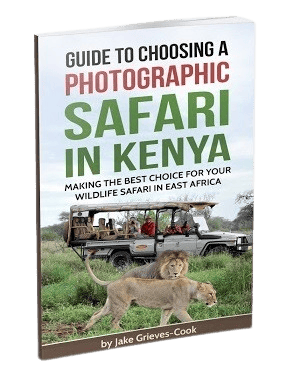
Don’t miss out on our free copy of our 36 page Guide to Choosing a Safari in Kenya.  A must-read before booking any safari tour to ensure you make the most of your time and budget and get the best possible experience.

How To Make The Best Choice For Your Wildlife Safari in Kenya

Don’t miss out on our free copy of our 36 page Guide to Choosing a Safari in Kenya.  A must-read before booking any safari tour to ensure you make the most of your time and budget and get the best possible experience.

How To Make The Best Choice For Your Wildlife Safari in Kenya

Don’t miss out on our free copy of our 36 page Guide to Choosing a Safari in Kenya.  A must-read before booking any safari tour to ensure you make the most of your time and budget and get the best possible experience.

Curating ultimate tailor-made safari experiences for 35 years