


Skip to content

Great Migration Luxury Safari Holidays

Witness the Greatest Wildlife Movement on Earth

Africa’s migration safaris are the ultimate wildlife adventure — a once-in-a-lifetime experience that brings you face-to-face with nature’s most dramatic natural phenomenon. From the thunderous herds of wildebeest crossing rivers to hungry predators in pursuit, this is raw, unfiltered Africa at its wildest and most breathtaking.

There are no words to describe the Great Wildebeest Migration Safari. They are intense and emotional, like watching a live IMAX wildlife documentary. The sheer abundance of animals in every direction is overwhelming and unforgettable. Now is your chance to witness this incredible spectacle for yourself.

Witness one of nature’s most spectacular events. Our Great Migration safaris put you front and centre as millions of wildebeest and zebra thunder across the plains of East Africa—an unforgettable experience of raw power, survival, and beauty.

Many visitors to East Africa are attracted by the opportunity to witness one of Nature’s most incredible phenomenon – the Great Migration. This is one of our planet’s most spectacular wildlife events and it can be seen on our safaris in Kenya and Northern Tanzania.

Here we have put together a guide to the movement of the Great Migration and which locations are best to view it according to the time of year, and which safari camps / lodges we would recommend.

Why Choose a Migration Safari With Gamewatchers Safaris

Closeup of plant life with cottage in background

All-inclusive, premium comfort.

Stay in camps and lodges with modern amenities, with delicious indigenous and international food and wine. With conservation at heart and the support of local communities.

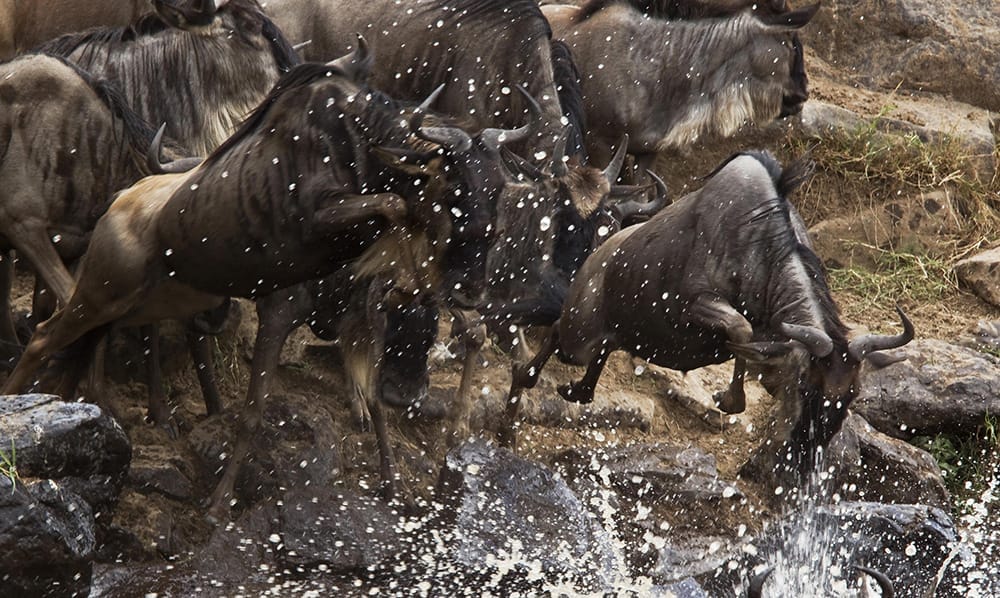
Wildebeest Migration Crossing the Mara River

Safe. Ethical. Eco-sustainable.

Your safety and the welfare of the animals are our top priority. Every African migration safari you take with us helps with our mission to secure and protect land adjacent to the migrations.

Wildebeest migration

Year-round migration seasons.

There are stunning safaris and dramatic river crossings all year round in Africa, even if they are lesser-known. We’ll align the best one to your travel plans.

Two Maasai men wearing traditional red and orange shukas smiling outdoors at Porini Giraffe Camp

Expert Guided Experiences.

Professional guides with deep knowledge of animal behaviour and migration patterns, giving you the best chances to witness spectacular wildlife action.

My biggest goal was to try and see the Great Migration...
Seattle52
Gamewatchers is an excellent organization, the conservancy concept is a win win for the local Maasai, safari goers and the animal population. We stayed at 5 of their camps, 4 Porini camps and 1 private camp in the Meru. Their camp staff, including drivers, were the best we experienced, we fell in love with each and every camp and their entire camp staff. Everyone went above and beyond to exceed our expectations, the genuine care they showed all of our family was exceptional. And YES, we got to see the Great migration on the Mara River - it was an experience of a lifetime! We highly recommend Gamewatchers and look forward to booking through them again when we return to Africa.
Animals Galore!!
Dave M
We came to Africa to observe the wildebeest migration. We saw thousands of wildebeest and more than 50 different kinds of animals and birds. Our Gamewatchers guide was excellent. He spoke English very well and was highly knowledgeable about the animals and birds. We visited Masai Mara National Reserve, Lake Nakuru National Park, and Amboseli National Park. By the end of the safari, we all considered the guide to be a personal friend. The vehicle provided was old, but very well maintained. It is remarkable that the vehicle could hold together on the miles of washboard road. I recommend Gamewatchers for anyone planning a safari in Kenya
Migration
Simonc
We went for the migration crossing and it was as spectacular as we thought. The company food accommodation was brilliant. Couldn’t ask for more.
So many animals!!
Heather H
Wow!! The wildlife!! So many lions and cubs. Also, cheetah, leopard, giraffes, and tons of hippos! Our Maasai guides were great and made sure we had the best experience possible on our game drives! We loved hearing the animals at night as they wandered around the camp. And breakfast in the middle of the great migration?! Yes please!! Our entire trip was a dream! If we make it back to African again (fingers crossed), we will definitely be back to this camp!

Why Choose a Migration Safari With Gamewatchers Safaris

Wildebeest Migration Crossing the Mara River

Safe. Ethical. Eco-sustainable.

Your safety and the welfare of the animals are our top priority. Every African migration safari you take with us helps with our mission to secure and protect land adjacent to the migrations.

Two Maasai men wearing traditional red and orange shukas smiling outdoors at Porini Giraffe Camp

Expert Guided Experiences.

Professional guides with deep knowledge of animal behaviour and migration patterns, giving you the best chances to witness spectacular wildlife action.

Wildebeest migration

Year-round migration seasons.

There are stunning safaris and dramatic river crossings all year round in Africa, even if they are lesser-known. We’ll align the best one to your travel plans.

Closeup of plant life with cottage in background

All-inclusive, premium comfort.

Stay in camps and lodges with modern amenities, with delicious indigenous and international food and wine. With conservation at heart and the support of local communities.

My biggest goal was to try and see the Great Migration...
Seattle52
Gamewatchers is an excellent organization, the conservancy concept is a win win for the local Maasai, safari goers and the animal population. We stayed at 5 of their camps, 4 Porini camps and 1 private camp in the Meru. Their camp staff, including drivers, were the best we experienced, we fell in love with each and every camp and their entire camp staff. Everyone went above and beyond to exceed our expectations, the genuine care they showed all of our family was exceptional. And YES, we got to see the Great migration on the Mara River - it was an experience of a lifetime! We highly recommend Gamewatchers and look forward to booking through them again when we return to Africa.
Animals Galore!!
Dave M
We came to Africa to observe the wildebeest migration. We saw thousands of wildebeest and more than 50 different kinds of animals and birds. Our Gamewatchers guide was excellent. He spoke English very well and was highly knowledgeable about the animals and birds. We visited Masai Mara National Reserve, Lake Nakuru National Park, and Amboseli National Park. By the end of the safari, we all considered the guide to be a personal friend. The vehicle provided was old, but very well maintained. It is remarkable that the vehicle could hold together on the miles of washboard road. I recommend Gamewatchers for anyone planning a safari in Kenya
Migration
Simonc
We went for the migration crossing and it was as spectacular as we thought. The company food accommodation was brilliant. Couldn’t ask for more.
So many animals!!
Heather H
Wow!! The wildlife!! So many lions and cubs. Also, cheetah, leopard, giraffes, and tons of hippos! Our Maasai guides were great and made sure we had the best experience possible on our game drives! We loved hearing the animals at night as they wandered around the camp. And breakfast in the middle of the great migration?! Yes please!! Our entire trip was a dream! If we make it back to African again (fingers crossed), we will definitely be back to this camp!

Experience nature’s greatest drama, playing out before your eyes.

The sheer volume of wildlife. Wildebeest everywhere. Zebras moving alongside them. In the Maasai Mara, the landscape is alive and dynamic during the Great Migration.

Nowhere else on earth offers this level of predator activity; here, the circle of life unfolds just meters from your vehicle. Lions and hyenas stalk the plains, while crocodiles are active during river crossings.

Here, in the Masai Mara, the Great Migration reveals itself not as a single moment, but as a powerful, ever-changing story playing out across the plains.

Choose from our favourite migration safari packages, or build your own.

We offer a wide range of migration safari packages across Kenya & Tanzania

Our itineraries are a guide, not a rulebook. Every safari can be tailored to your family, your interests and preferred pace, with complete freedom to choose destinations and even to add a beach stay before or after the safari itself.

We have almost four decades’ experience designing African migration safari holidays.  See more about some of our top-rated favourites here:

Migration Safari Planning Tips

Where & when to view the migration

December – March

This time of year sees the wildebeest gather around Lake Ndutu to the south of the Serengeti. Here, half a million calves are born and the herds are spread throughout the vast Ngorongoro Conservation Area. The UNESCO World Heritage Site and the Ngorongoro Crater are highlights of any visit to Tanzania, and visitors are rewarded with remarkable wildlife spectacles as well as interesting archaeological sites at “The Cradle of Mankind”.

Great choices of accommodation at this time include: Plantation Lodge, Exploreans Ngorongoro Lodge, Lemala Ndutu (Migration) Camp, Lemala Ngorongoro Camp, Ngorongoro Serena, Ubuntu Safari Camp, Olakira Camp (Ndutu)

Tours that include this area are:

3 night Manyara & Ngorongoro Safari
5 night Highlights of Tanzania
6 night Tanzania Discovery
4 night Serengeti Luxury Safari
9 night Kenya & Tanzania
6 night Luxury Northern Tanzania Flying Safari
8 night Tanzania Luxury Fly In Safari

The Loita Migration Feb – March

The Serengeti-Mara migration is not the only chance visitors have of seeing the spectacle of herds of wildebeest across the vast savannahs of the Maasai Mara.

A migration of over 300,000 zebra and wildebeest arrives in Ol Kinyei Conservancy from the Loita Plains, which is located northeast of the Reserve, between February and March and moves between Ol Kinyei, Naboisho, Olare Motorogi and Mara North Conservancies.

Like the Serengeti wildebeest, calving takes place in February and March, usually in Ol Kinyei, followed by the rutting season in early June when males fight to gather a harem of females. With predator populations within the conservancies growing, guests are sure to have a true safari experience with fewer crowds and to enjoy the breathtakingly beautiful landscapes that the conservancies of the Maasai Mara ecosystem have to offer.

Accommodation / tours for the Loita Migration in Masai Mara (Kenya): 

Porini Mara Camp, Ol Kinyei Conservancy
Porini Lion Camp, Olare Motorogi Conservancy
Masai Mara Big Cat Safari
7 Night Paka Kubwa Safari
11 Night Porini Signature Safari

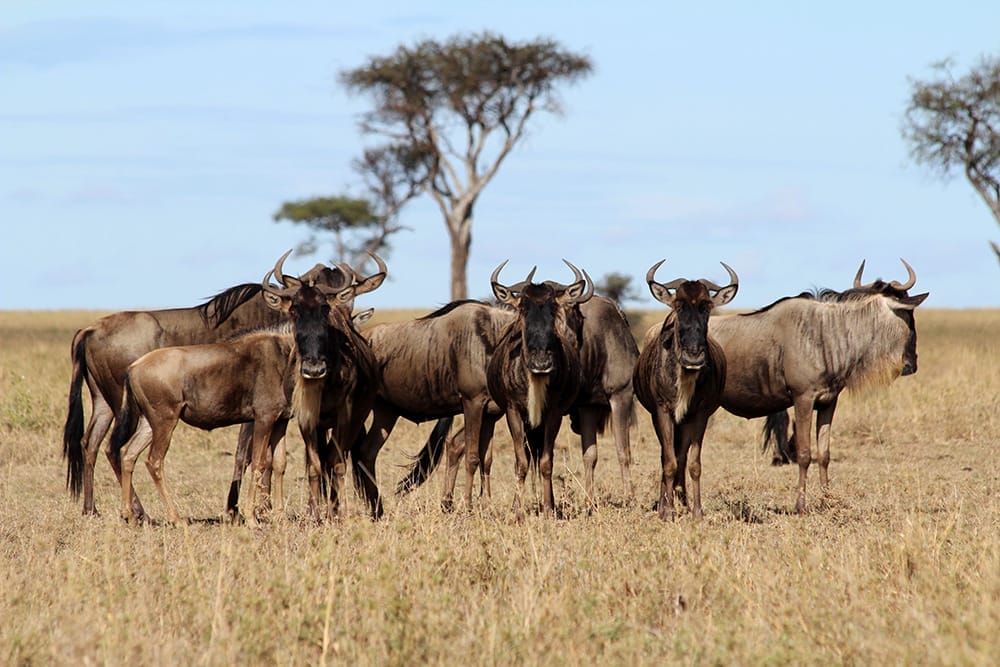
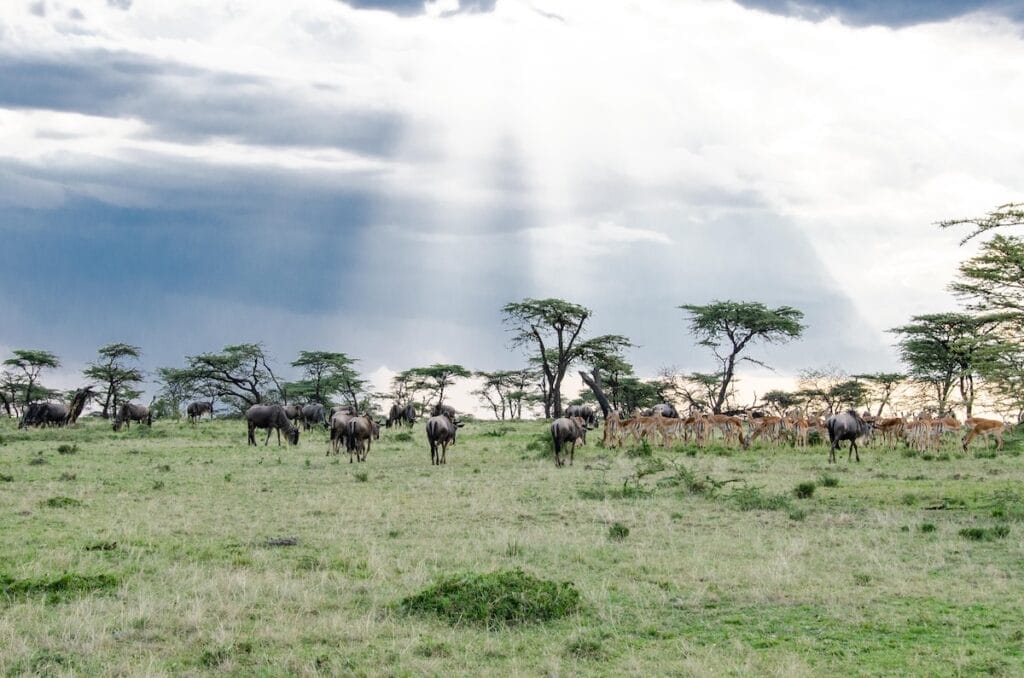
Wildebeest herd in Maasai Mara, Kenya

April – July

At the start of this period the wildebeest migrate northwards into the grassy plains of the Southern Serengeti. From late May the Migration herds tend to split, some heading West into the Western Corridor and crossing the Grumeti River – this is one of the best locations to witness the herds making a perilous river-crossing through crocodile infested waters. They then start arriving into the Kogatende area in July.

The other herds head directly up through Central Serengeti passing Seronera and on to the Bologonja River area near the Loliondo reserve.

Great choices of safari accommodation at this time include:

Western Corridor (Grumeti): Serengeti Safari Camp, Soroi Serengeti Lodge, Ubuntu Safari Camp

Central & Southern Serengeti: Asanja Africa Luxury Camp, Lemala Ewanjan Camp
Namiri Plains Camp

Tours that include this area are:

5 night Highlights of Tanzania
6 night Tanzania Discovery
4 night Serengeti Luxury Safari
9 night Kenya & Tanzania
6 night Luxury Northern Tanzania Flying Safari
8 night Tanzania Luxury Flying Safari

The Loita Migration June

Loita Migration usually in Ol Kinyei, is in rutting season in early June when males fight to gather a harem of females.
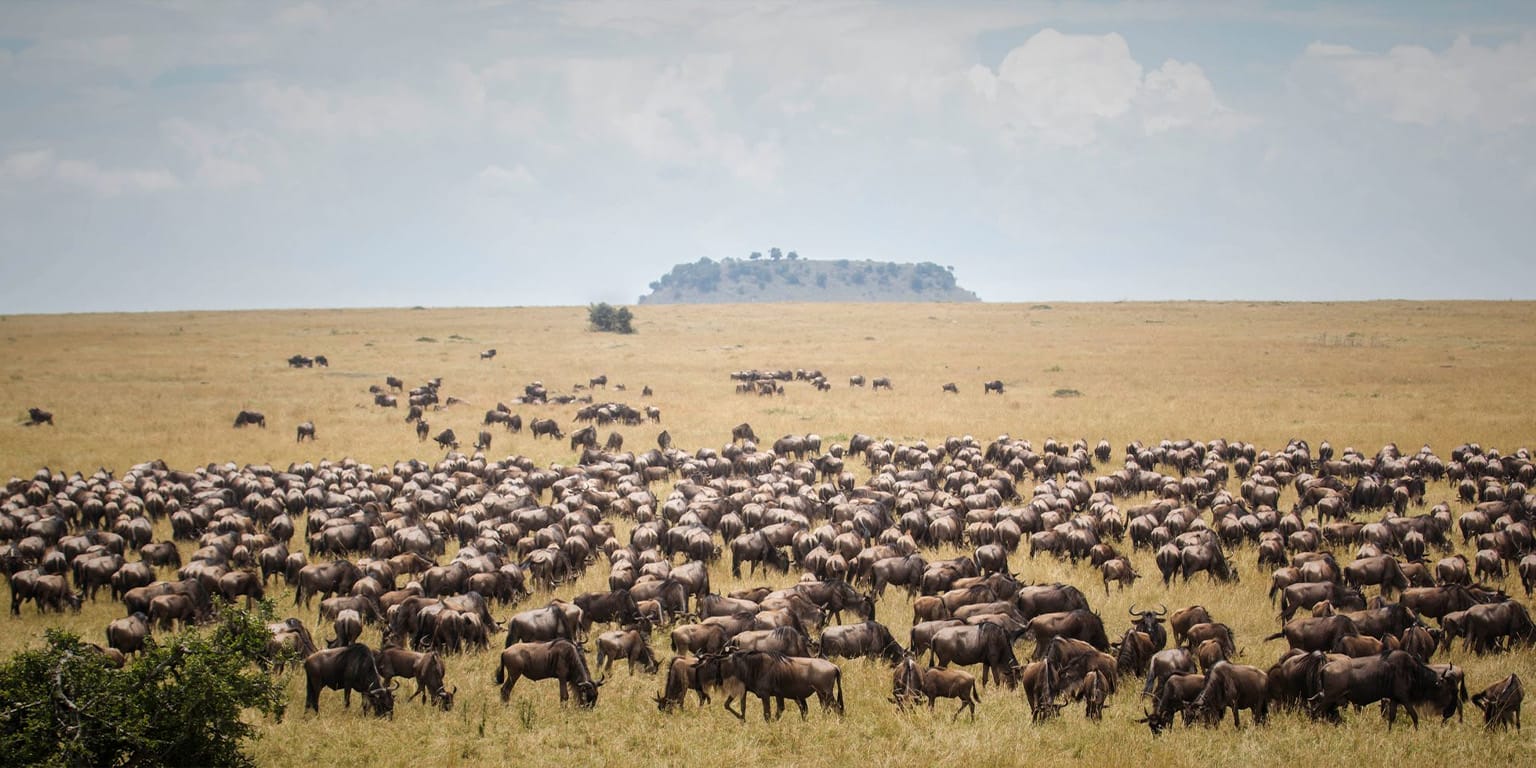
Serengeti National Park, Tanzania

August – November

From late July to October, the main herds of over one million wildebeest, and thousands of eland, Thompson’s gazelle and Burchell’s zebra are in the Northern Serengeti as well as across the Kenyan border in the Maasai Mara National Reserve – another world renowned prime location for spectacular sights as they venture across the Mara River.

Great choices of accommodation at this time include:

Porini Lion Camp, Porini Mara Camp, Porini Giraffe Camp, Porini Cheetah Camp, Porini Safari Cottages 

Tours that include this area are:

7 Day Porini Laikipia & Migration Safari
8 Day Amboseli & Migration Safari
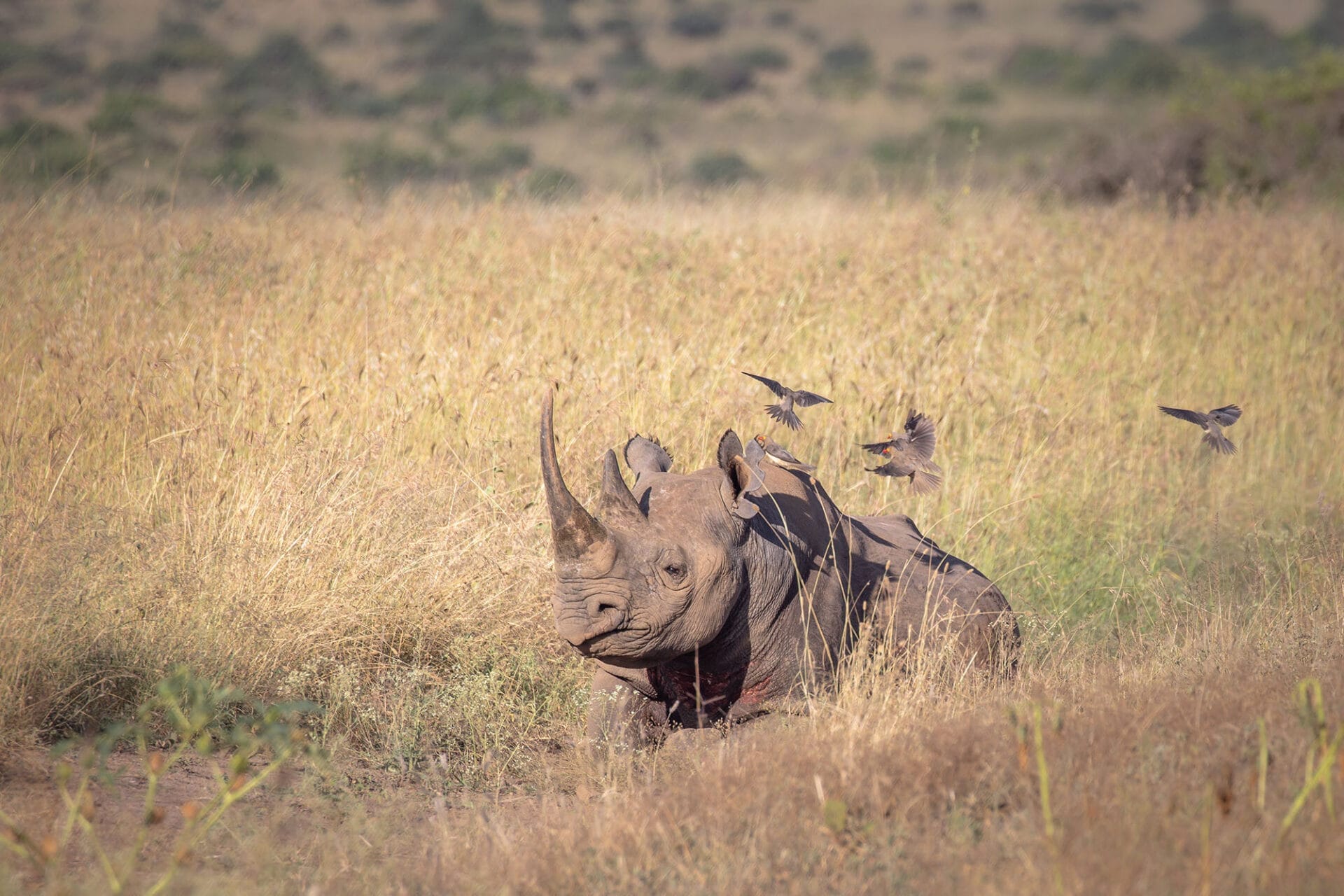
6 Day Rhino & Migration Safari
8 Day Paka Kubwa Safari
11 Day Kenya plus Tanzania Safari (Porini, Lemala & Nimali Camps)

In late October and November, the herds head south through Central Serengeti, and by early December, they are returning to the fertile Ndutu plains to calve in February and March after which they swing around to head north again. From here the endless cycle begins once more.

Great choices of accommodation at this time include:

Northern Serengeti: Kimondo Safari Camp, Lemala Kuria Hills Lodge, Lemala Mara Camp, Sayari Safari Camp, Olakira Camp (Mara), Serengeti Safari Camp, Ubuntu Safari Camp

Tours that include this area are:

6 night Tanzania Discovery
4 night Serengeti Luxury Safari
9 night Kenya & Tanzania
6 night Luxury Northern Tanzania Flying Safari
8 night Tanzania Luxury Flying Safari

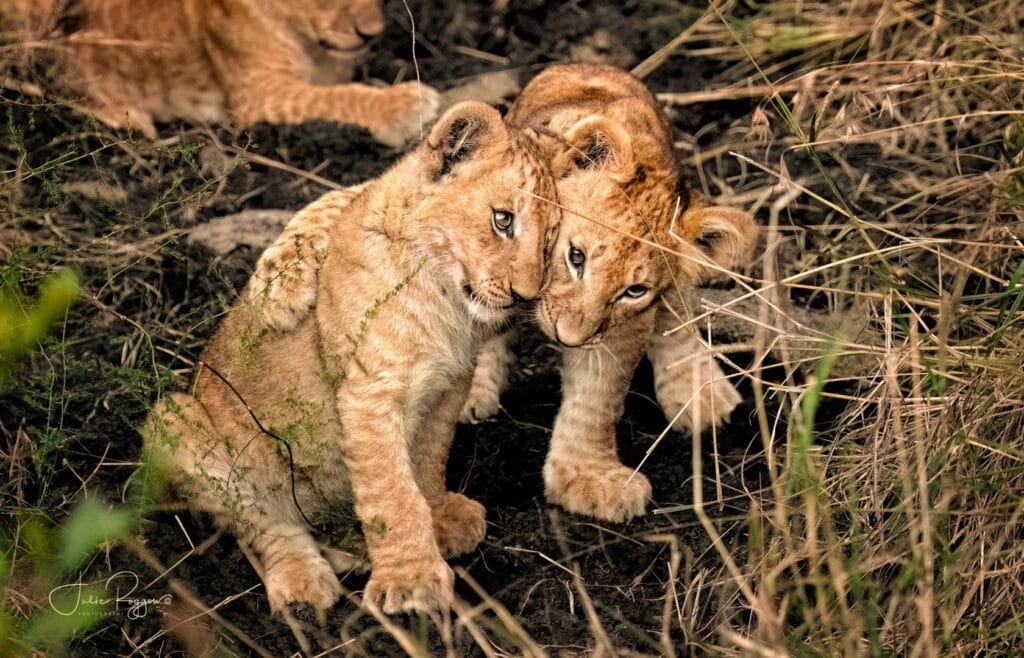
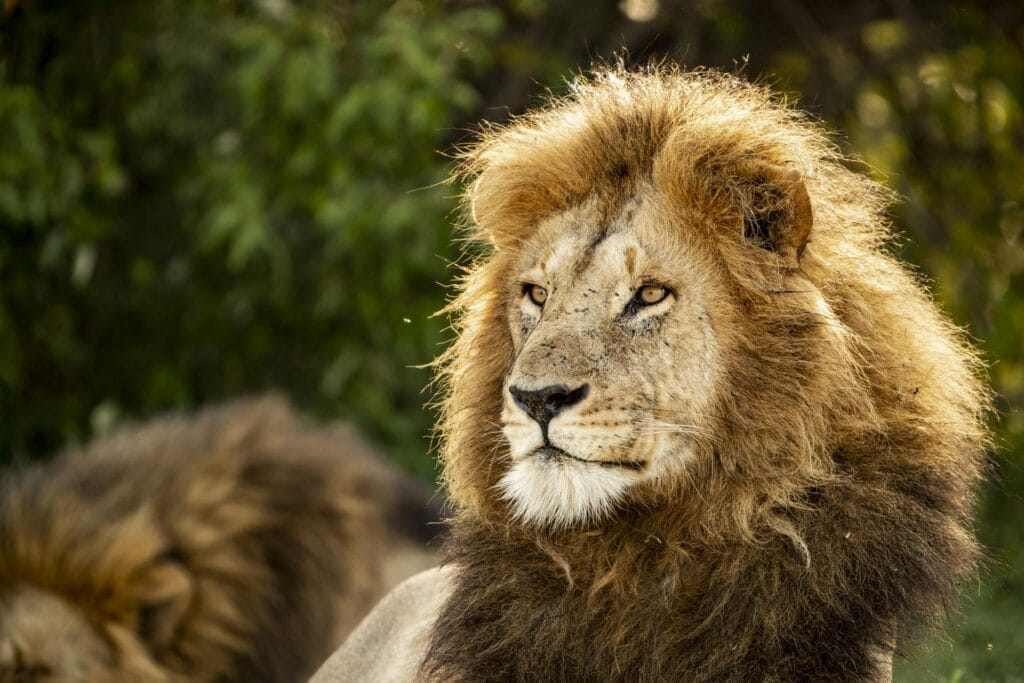
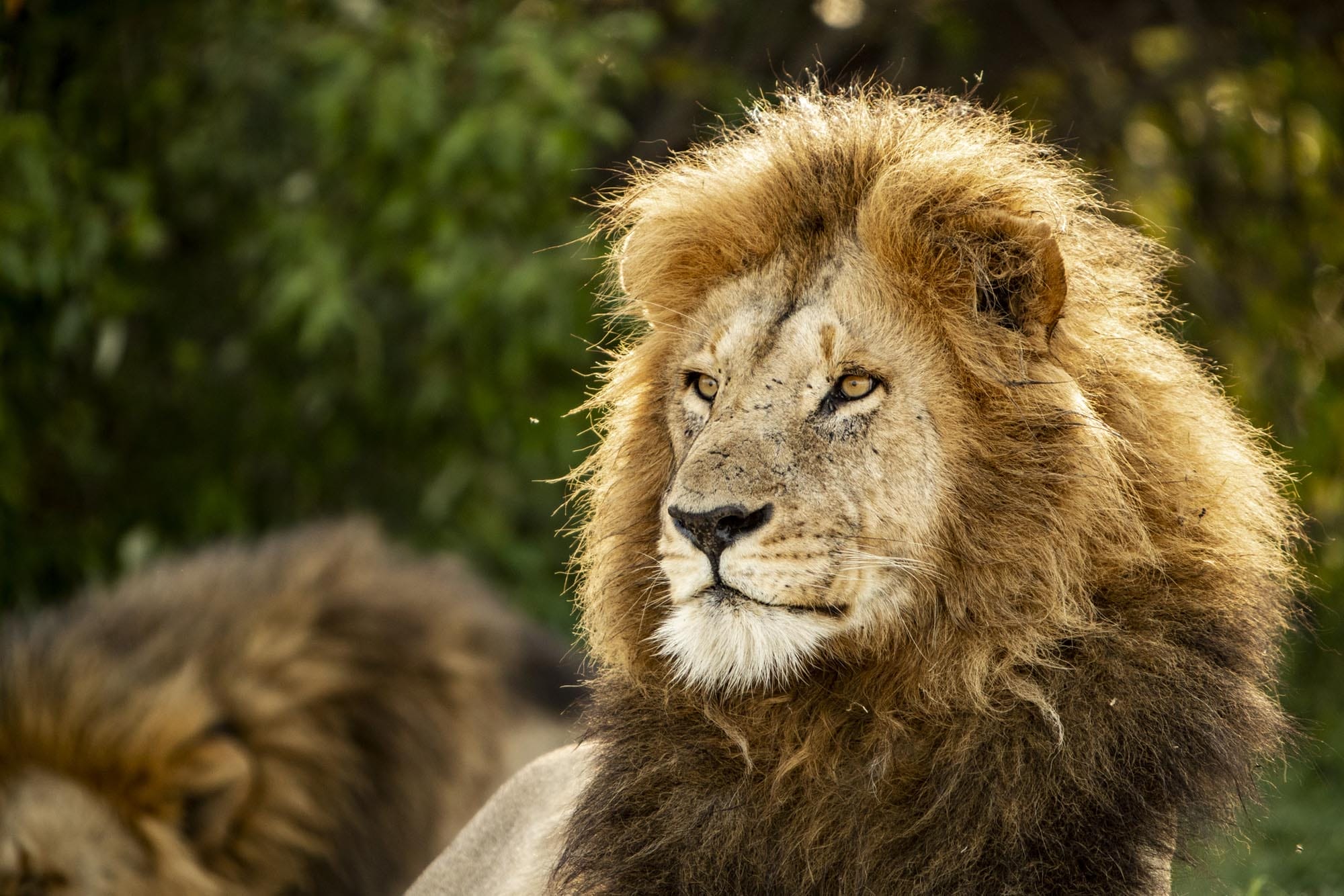
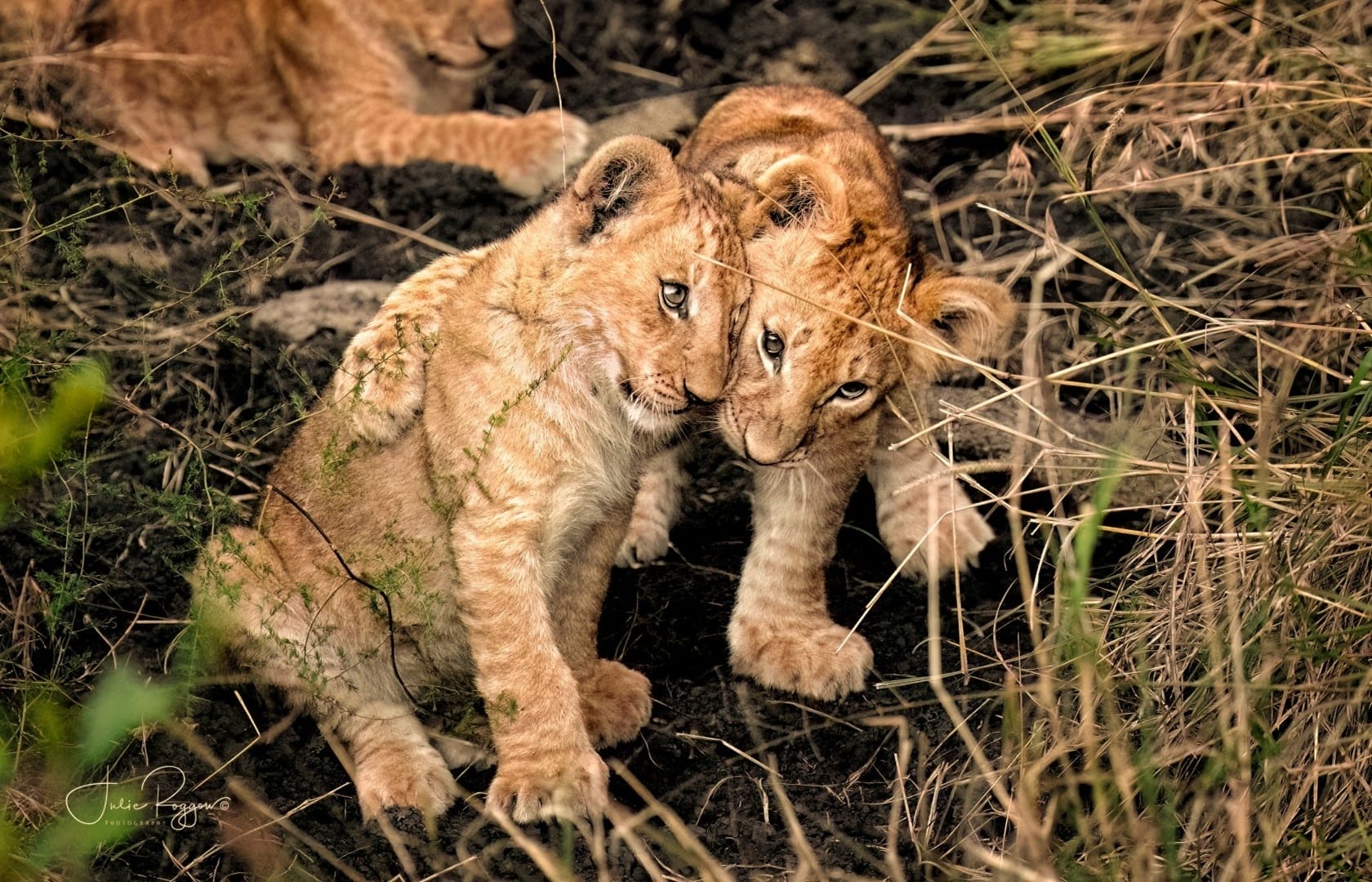
Lion

Expert-led migration planning, not sales-led itineraries.

Our Safari Guides will work to give you the best possible experience, ethically and safely: working to track animal behaviour, adjust routes and timing, and position you for the best place to enjoy the spectacular views. 

Safari with an operator who loves the animals, putting their well-being and your safety first. The result is fewer surprises and more meaningful sightings.

Follow the journey month by month

 → Calving season in the southern Serengeti (nearly 500,000 calves born).
 → A migration of over 300,000 zebra and wildebeest arrives in Ol Kinyei Conservancy from the Loita Plains, which is located northeast of the Reserve, between February and March and moves between Ol Kinyei, Naboisho, Olare Motorogi and Mara North Conservancies.
 → Calving season in Ol Kinyei, Naboisho, Olare Motorogi and Mara North Conservancies.
 
→ Herds move northwest as the plains dry.
 → First river crossings at the Grumeti, crocodiles waiting.
 → Loita Migration usually in Ol Kinyei, is in rutting season in early June when males fight to gather a harem of females.
→ Arrives into the Maasai Mara Kenya.
→ Iconic Mara River crossings — dangerous, unforgettable.
→ Herds spread through the Mara, grazing on fresh grass.
→ Rains return south, pulling the migration back to the Serengeti.

Making the Most of the Migration

Timing is Everything: The exact movement of the herds varies year-to-year based on rains, so planning with expert advice increases your chances of great sightings.

Photography Opportunities: Bring long lenses and high-speed cards for dramatic shots of river crossings and predator action.

Stay Flexible: Migration routes are dynamic — guided safari vehicles that can adapt routes offer the best viewing.

Planning a migration safari requires expert timing and local knowledge. Speak to one of our Specialist Safari Advisors to explore your options and receive personalised guidance on where and when to travel for the most rewarding migration experience.

A calmer way to see the Great Migration with our Porini camps.

If you’re set on the Great Migration safari in Kenya, then our Porini Camps help turn this adventure into a much calmer, relaxed experience.
Situated in the middle of a vast wilderness on a private conservancy, our Porini Camps still offer a high wildlife density and excellent predator sightings, while strict limits are in place to protect wildlife and avoid overcrowding. Including limitations of:

– – One safari tent per 700 acres
– – One safari vehicle per 1,400 acres

Our Porini Camps are small, typically 6–10 tents only, with a maximum of two adults per tent.

Alternatively, we can recommend less crowded, less well-known but still spectacular great migration luxury safaris, such as the Loita Migration which occurs between January and March, and is an east to west migration from the Loita plains to the Mara traversing Ol Kinyei, Naboisho and Olare Motorogi Conservancies.

Migration Safari Stories

Explore blogs and guest stories that showcase Africa’s great wildlife migrations, offering first-hand experiences and expert insight into one of nature’s most extraordinary spectacles.

The Great Migration is not just a moment at the Mara River — it’s a year-long cycle across Tanzania’s Serengeti and Kenya’s Maasai Mara, driven by instinct, survival, and the search for greener pastures.

Wildebeest Migration Crossing the Mara River

The Great Migration is the largest and longest over-land migration and is one of the Wonders of the Natural World. Over 1.5 million wildebeest – and 200000 zebra and gazelle – move in vast herds in an unending 2000 kilometre cycle within the Serengeti and Maasai Mara ecosystems. Their constant quest for fresh grasses keeps them on this eternal journey of life, chasing the rains over this huge area of open plains and woodland and across obstacles such as fast-flowing rivers.

This profusion of plains game attracts predators such as hyenas and the Big Cats, so game-viewing is particularly rewarding.

Where to Stay

We offer a vast range of permanent or mobile camps and safari lodges in many locations across Tanzania to ensure that our guests are in the heart of the action, whatever time of year they choose for their Great Migration safari holiday.

The mobile tented camps offer an unrivalled wilderness experience and these are located close to the herds at any time of year. For those who prefer luxury over adventure, there are permanent lodges in superb locations for exhilarating game drives.

Below we have outlined the general cycle of the Great Migration, and some great camps and lodges (and tours) to consider according to the time of year. Please note that wildebeest and their exact travel plans are unpredictable, they have been known to take unexpected routes and to even turn back on themselves, but this can be used as a general guide.

December to March:
This time of year sees the wildebeest gather around Lake Ndutu to the south of the Serengeti. Here, half a million calves are born and the herds are spread throughout the vast Ngorongoro Conservation Area. The UNESCO World Heritage Site and the Ngorongoro Crater are highlights of any visit to Tanzania, and visitors are rewarded with remarkable wildlife spectacles as well as interesting archaeological sites at “The Cradle of Mankind”.

Great choices of accommodation at this time include: Plantation Lodge, Exploreans Ngorongoro Lodge, Lemala Ndutu (Migration) Camp, Lemala Ngorongoro Camp, Ngorongoro Serena, Ubuntu Safari Camp, Olakira Camp (Ndutu)

Tours that include this area are:

3 night Manyara & Ngorongoro Safari
5 night Highlights of Tanzania
6 night Tanzania Discovery
4 night Serengeti Luxury Safari
9 night Kenya & Tanzania
6 night Luxury Northern Tanzania Flying Safari
8 night Tanzania Luxury Fly In Safari

April to July:

At the start of this period the wildebeest migrate northwards into the grassy plains of the Southern Serengeti . From late May the Migration herds tend to split, some heading West into the Western Corridor and crossing the Grumeti River – this is one of the best locations to witness the herds making a perilous river-crossing through crocodile infested waters. They then start arriving into the Kogatende area in July.

The other herds head directly up through Central Serengeti passing Seronera and on to the Bologonja River area near the Loliondo reserve.

Great choices of safari accommodation at this time include:

Western Corridor (Grumeti): Serengeti Safari Camp, Soroi Serengeti Lodge, Ubuntu Safari Camp

Central & Southern Serengeti: Asanja Africa Luxury Camp, Lemala Ewanjan Camp
Namiri Plains Camp

Tours that include this area are:

5 night Highlights of Tanzania
6 night Tanzania Discovery
4 night Serengeti Luxury Safari
9 night Kenya & Tanzania
6 night Luxury Northern Tanzania Flying Safari
8 night Tanzania Luxury Flying Safari

August to November:

From late July to October, the main herds of over one million wildebeest, and thousands of eland, Thompson’s gazelle and Burchell’s zebra are in the Northern Serengeti as well as across the Kenyan border in the Maasai Mara National Reserve – another world renowned prime location for spectacular sights as they venture across the Mara River.
In late October and November, the herds head south through Central Serengeti, and by early December, they are returning to the fertile Ndutu plains to calve in February and March after which they swing around to head north again. From here the endless cycle begins once more.

Great choices of accommodation at this time include:

Northern Serengeti: Kimondo Safari Camp, Lemala Kuria Hills Lodge, Lemala Mara Camp, Sayari Safari Camp, Olakira Camp (Mara), Serengeti Safari Camp, Ubuntu Safari Camp

Tours that include this area are:

6 night Tanzania Discovery
4 night Serengeti Luxury Safari
9 night Kenya & Tanzania
6 night Luxury Northern Tanzania Flying Safari
8 night Tanzania Luxury Flying Safari

Wildebeest migration
The Loita Migration – Masai Mara, Kenya

The Serengeti-Mara migration is not the only chance visitors have of seeing the spectacle of herds of wildebeest across the vast savannahs of the Maasai Mara. A migration of over 300,000 zebra and wildebeest arrives in Ol Kinyei Conservancy from the Loita Plains, which is located northeast of the Reserve, between February and March and moves between Ol Kinyei, Naboisho, Olare Motorogi and Mara North Conservancies. Like the Serengeti wildebeest, calving takes place in February and March, usually in Ol Kinyei, followed by the rutting season in early June when males fight to gather a harem of females . With predator populations within the conservancies growing, guests are sure to have a true safari experience with fewer crowds and to enjoy the breathtakingly beautiful landscapes that the conservancies of the Maasai Mara ecosystem have to offer.

Talk to a Specialist

Choose a Safari Specialist in your time zone and start planning your tailor-made safari.

Talk to a Specialist

Choose a Safari Specialist in your time zone and start planning your tailor-made safari to Africa.

FAQs — Great Wildebeest Migration Safaris

What exactly is the Great Migration?

The Great Migration is the annual movement in the Masai Mara of vast herds of wildebeest, zebra and gazelle between Tanzania and Kenya in search of fresh grazing. It is not one single event, but a continuous, natural cycle that unfolds across different regions at different times of year.

Is the Great Migration just about river crossings?

No. River crossings are one of the most dramatic moments, but they are only one part of the migration. The migration itself is about movement, abundance and scale, with wildlife spread across the landscape over many months.

Will I definitely see a river crossing?

River crossings are never guaranteed. They depend on animal behaviour, rainfall and timing. Expert guides position guests for the best possible opportunities, but crossings happen on the animals’ terms, not on a schedule.

If I don’t see a river crossing, will the safari still be worthwhile?

Yes. Many guests say the sheer number of animals, constant movement and predator activity make the experience extraordinary even without a crossing.

When is the best time to see the Great Migration?

There is no single ‘best’ time. The migration happens at different times in different months. It moves between Tanzania and Kenya. In Kenya, the migration is typically present from around July through to September, sometimes extending into October. It all depends on rainfall, grazing conditions and animal behaviour.

Is the Great Migration overcrowded?

During peak moments, it can get very busy. This is why where you stay matters. We recommend our Porini camps because they are situated in a far quieter, more controlled experience. After a busy day out watching the animals, you can retreat to a nice and quiet place still rich with animal life. 

Where in Africa can I witness the migration?

The migration can be witnessed in the Masai Mara (Kenya) and Serengeti (Tanzania) — especially river crossing points such as the Mara and Grumeti rivers.

There is also a migration of over 300,000 zebra and wildebeest arrives in Ol Kinyei Conservancy from the Loita Plains, which is located northeast of the Reserve, between February and March and moves between Ol Kinyei, Naboisho, Olare Motorogi and Mara North Conservancies.

How long should my Great Migration Safari be?

Most migration safaris run 6–10 days to maximise wildlife viewing across key areas and allow travel between camps comfortably.

What wildlife can we expect besides the migrating herds?

Migration safaris also offer sightings of lions, leopards, cheetahs, elephants, giraffes, hyenas and abundant birdlife.

Predator viewings are at their best due to the abundance of the migrating wildebeest and zebras and their calves (during calving season).

How will you ensure my Great Migration trip is ethical and safe?

Our vehicles are never positioned in places that could interfere with or put pressure on an animal. We never block crossings and avoid crowding animals where it could cause harm. Furthermore, you’ll be accompanied by professionally trained Guides who are experts in wildlife safety.

Have you actually helped protect land for the migration?

Yes, we have played a role in securing and protecting land adjacent to migration areas through conservancies, helping create essential buffer zones and migration corridors outside the national reserve. Every safari holiday you take with us directly helps with our conservation efforts to preserve wildlife and indigenous communities in this part of Kenya.

How do your Migration Safaris support conservation?

We offer well designed itineraries that are based in our Porini Camps in private conservancies  that benefit local communities, promote responsible tourism and habitat protection.

Is a Great Migration Safari suitable for families?

Yes, we specialise in offering family-friendly holidays. As every safari we plan is completely bespoke around your wants and needs, you can read our family-friendly safari holidays page for more information on how we can accommodate your loved ones, young and old.

It sounds too busy for me. What if I want a quieter alternative to the main migration?

There are lesser-known migrations that are still spectacular across Africa, with viewing opportunities virtually all year round. This includes:

  • Smaller migrations within Kenya
  • Calving seasons with intense predator action
  • Green-season safaris with fewer visitors and lower costs

Contact us today for more information about these alternatives, when to view them and where.


What’s included in your all-inclusive safari holidays?

Everything you will need! At a glance, here are some of the key things we offer:

  • Exciting game drives with the option of private-use vehicles to ensure your family gets close to Africa’s wildlife, with plenty of opportunities for all ages to learn and observe.
  • Night drives
  • Guided walks 
  • All meals and drinks
  • Conservancy & national park fees (no surprise costs).
  • Airstrip transfers (seamless transfer from plane to camp).
  • Laundry in most camps

We can also arrange internal flights and hotel nights on your behalf, reducing your travel planning stress.

Can your Migration Safaris be combined with beach holidays?

Yes — many travellers extend their safari to Tanzania or Kenyan with a beach stay, combining wildlife and coastal relaxation.  

Explore our beach destinations for more inspiration.

Curating ultimate tailor-made safari experiences for 35 years