






World Sustainable Travel & Hospitality Awards
We are delighted to share that Gamewatchers Safaris has been nominated for a 2026 World Sustainable Travel & Hospitality Award in the category of World’s Leading Community Impact Initiative.
For a company that has spent more than three decades building safaris around conservation, this nomination means a great deal as it shows that the model of wildlife conservancy that we’ve championed since the beginning is being recognised on a global stage.
Please Vote Now! (voting closes 21 October)
We would be most grateful if you could take a moment to vote for us.
You can log in and cast your vote here: World Travel Awards 2026

When we started Gamewatchers, much of Kenya’s most extraordinary wildlife habitat sat outside national parks, on land owned by Maasai and other local communities who had few incentives to keep it wild. Fencing it off for farming or livestock made short-term economic sense, even as it fractured migration corridors and pushed lion, elephant and cheetah populations into ever-smaller pockets. We believed there was a better way: pay communities directly for keeping their land open and wild, and let tourism revenue make conservation more valuable than conversion.
That belief became conservancies like Ol Kinyei, Naboisho, and Selenkay – community-owned wildlife areas where landowners lease their land for conservation and receive steady income in return. It’s a model built on partnership, not charity. Communities remain owners and decision-makers. We simply operate low-impact camps within these conservancies and share the proceeds back into the places and people that make the whole thing possible.
The results speak for themselves. Selenkay Conservancy alone was recently honoured as the World’s Leading Conservation Programme, recognised for restoring critical wildlife corridors, increasing lion populations, and improving rangeland health through rotational grazing. Across our conservancies more broadly, we’ve seen wildlife numbers recover in areas that were once being lost to agriculture, while local families gain school fees, healthcare access, jobs as guides and rangers, and a genuine stake in a thriving ecosystem rather than a shrinking one.
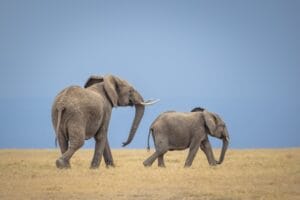
This is what community impact looks like in practice: not a donation bolted onto a holiday, but an economic system where a healthy population of elephants and a healthy community bank account depend on the same thing: land staying wild.

That’s why this nomination matters so much to all of us at Gamewatchers who have helped build these partnerships over the years. It’s a chance to put the conservancy model itself in front of a wider audience — travellers, hoteliers, and conservationists who are looking for proof that tourism can regenerate a landscape instead of depleting it.

If you believe in tourism that puts people and wildlife first, please take a moment to vote for Gamewatchers Safaris in the World’s Leading Community Impact Initiative category. Every vote is a vote for the Maasai families who’ve chosen conservation over cultivation, for the rangers protecting these landscapes daily, and for the lions, elephants, and endless herds that now have room to roam because a different kind of safari business decided community and conservation weren’t separate goals, they were the same one.

Thank you for being part of this journey with us. Vote for Gamewatchers Safaris, and help us keep proving that the wildest places on earth are best protected by the people who call them home.