









January in Rwanda is ideal for a visit. Enjoying warm days and comfortable nights during the short dry season, it’s perfect for gorilla trekking. The risk of rain is low, minimizing mosquito concerns. Consider combining Rwanda and Tanzania for an excellent safari in January. High and medium-altitude regions are hot during the day but cool in the evenings, while low-lying areas are warm day and night. This popular safari time offers unforgettable treks, but plan ahead for higher prices during the dry season.

February marks the end of Rwanda’s short dry season, offering excellent conditions for mountain gorilla trekking. It’s not the peak season, providing reasonable prices with early booking. Consider combining Rwanda with a Kenyan safari, and add a coastal beach experience. If heading to the Virunga Mountains, pack a fleece for chilly nights at high altitudes. During January and February, high and medium-altitude areas are hot during the day and cool at night, while low-lying regions are warm. This popular safari time presents stunning scenery, warm weather, and memorable forest treks, but plan ahead for higher prices during the dry season.

March in Rwanda signals the start of the long rains, making it a reasonable time to visit. While persistent and heavy rain may pose challenges for gorilla trekking, the rainforest thrives. Hiking becomes tricky due to slippery conditions. Opt for exploring other wildlife areas and parks, capitalizing on March’s vibrant birdlife. Despite the wet weather lasting until mid-May, it’s a prime time for primate trekking. Quality rain gear is essential for navigating the dense, wet forests during this period.

April is challenging for Rwanda visits due to the peak of the long rainy season. Trekking is hindered by heavy rainfall, creating slippery and muddy conditions. Bring waterproof gear, especially for cameras. However, it’s a favorable month for chimpanzee sightings in Nyungwe National Park, as they gather lower to the ground. April hosts Genocide Memorial Week, commemorating the 1994 genocide. Following May’s wet conditions, hiking around the Virungas is challenging. Consider these factors when planning your Rwanda visit in April.

May in Rwanda, the last month of the long rainy season, is a mixed time to visit. Gorilla trekking can be challenging due to marsh-like rainforests, but as the month progresses, rain eases. Unpredictable weather characterizes May. While not ideal for gorilla trekking, it’s excellent for chimpanzee tracking in lush forests. Mid-May sees a decline in rain, reducing tourist crowds and offering last-minute gorilla trekking permits. Birdwatchers enjoy breeding season, with vibrant species filling the skies. The landscape flourishes with greenery, newborn animals, and the chance for unique wildlife encounters.

June kicks off Rwanda’s long dry season, optimal for gorilla tracking. Book permits a year ahead for availability. Explore national parks like Akagera during this dry period. Pair your Rwanda visit with a Kenya or Tanzania safari, capitalizing on the dry season for the wildebeest migration. Despite being the dry season, pack waterproofs for potential rain, especially in rainforests. This season, from June to September, offers a comfortable climate, making it the prime time for gorilla trekking.

July marks Rwanda’s peak season, making it an excellent but bustling time to visit. With the Western summer holidays, lodges and permits fill quickly; booking a year in advance is advisable. The month offers optimal conditions for gorilla treks, as the ground dries up post the long rainy season while the landscape stays lush. Engage in diverse wildlife activities like tracking golden monkeys and exploring Akagera National Park. It’s a prime safari month, perfect for combining a Rwandan holiday with East African destinations like Kenya and Tanzania. Don’t miss the Rwanda Film Festival, featuring local and international films.

August, akin to July, stands out as prime time for Rwanda travel with dry and warm conditions. Perfect for gorilla trekking, advance booking for permits and accommodation is crucial. The peak season enhances safari experiences in dry national parks with concentrated wildlife. This month pairs well with Tanzania or Kenya for a diverse safari. Consider chimpanzee tracking too, as the dry conditions in August facilitate this adventure.

September, concluding Rwanda’s peak dry season, anticipates some rainfall. While the rainforest may feel slightly humid, it’s an excellent time for mountain gorilla sightings. Ideal for safaris, consider combining Rwanda with Kenya or Tanzania for a wildlife adventure. The month hosts Kwita Izina, the gorilla-naming ceremony, celebrating newborns. Enjoy various outdoor activities like biking, walking, swimming, and fishing in the favorable weather.

October signals the start of short rains in Rwanda until November. Quick bursts of rain enhance birdlife and offer prime conditions for chimpanzee tracking. Ideal for photographers capturing misty mountains, October allows combining a Rwandan safari with beach time along Kenya’s coast. Though not optimal for gorilla tracking due to wet conditions, the short rainy season brings lower costs for permits and accommodations. Embrace occasional showers for a budget-friendly visit between October and December, as they quickly clear to reveal blue skies.

November, part of Rwanda’s short rainy season, sees brief, heavy rain showers similar to October. It’s considered a good time to visit, although tracking mountain gorillas can be challenging as they seek shelter during rains. The lush landscape with vibrant greenery offers excellent photo opportunities, and birdwatchers can delight in the increased birdlife. With an average of 140mm of rain, waterproofs are recommended. Traveling between October and December means encountering short showers, but lower costs for gorilla trekking permits and accommodations make it a favorable time for budget-conscious travelers unswayed by a bit of rain and mud.

December in Rwanda marks the transition from short rains to a brief dry season. Gorilla permits are in high demand around Christmas, so booking in advance is crucial. Prepare for chilly mornings and evenings in the mountains. Lodge prices rise during the festive season, and Volcanoes National Park can be bustling. In the drier period, explore outdoor activities like canoeing, climbing, biking, and fishing. If visiting Rwanda from October to December, expect short rain bursts, but take advantage of lower costs for gorilla trekking permits and accommodations if you don’t mind a bit of mud and rain.

January in Rwanda is ideal for a visit. Enjoying warm days and comfortable nights during the short dry season, it’s perfect for gorilla trekking. The risk of rain is low, minimizing mosquito concerns. Consider combining Rwanda and Tanzania for an excellent safari in January. High and medium-altitude regions are hot during the day but cool in the evenings, while low-lying areas are warm day and night. This popular safari time offers unforgettable treks, but plan ahead for higher prices during the dry season.
February marks the end of Rwanda’s short dry season, offering excellent conditions for mountain gorilla trekking. It’s not the peak season, providing reasonable prices with early booking. Consider combining Rwanda with a Kenyan safari, and add a coastal beach experience. If heading to the Virunga Mountains, pack a fleece for chilly nights at high altitudes. During January and February, high and medium-altitude areas are hot during the day and cool at night, while low-lying regions are warm. This popular safari time presents stunning scenery, warm weather, and memorable forest treks, but plan ahead for higher prices during the dry season.
March in Rwanda signals the start of the long rains, making it a reasonable time to visit. While persistent and heavy rain may pose challenges for gorilla trekking, the rainforest thrives. Hiking becomes tricky due to slippery conditions. Opt for exploring other wildlife areas and parks, capitalizing on March’s vibrant birdlife. Despite the wet weather lasting until mid-May, it’s a prime time for primate trekking. Quality rain gear is essential for navigating the dense, wet forests during this period.
April is challenging for Rwanda visits due to the peak of the long rainy season. Trekking is hindered by heavy rainfall, creating slippery and muddy conditions. Bring waterproof gear, especially for cameras. However, it’s a favorable month for chimpanzee sightings in Nyungwe National Park, as they gather lower to the ground. April hosts Genocide Memorial Week, commemorating the 1994 genocide. Following May’s wet conditions, hiking around the Virungas is challenging. Consider these factors when planning your Rwanda visit in April.
May in Rwanda, the last month of the long rainy season, is a mixed time to visit. Gorilla trekking can be challenging due to marsh-like rainforests, but as the month progresses, rain eases. Unpredictable weather characterizes May. While not ideal for gorilla trekking, it’s excellent for chimpanzee tracking in lush forests. Mid-May sees a decline in rain, reducing tourist crowds and offering last-minute gorilla trekking permits. Birdwatchers enjoy breeding season, with vibrant species filling the skies. The landscape flourishes with greenery, newborn animals, and the chance for unique wildlife encounters.
June kicks off Rwanda’s long dry season, optimal for gorilla tracking. Book permits a year ahead for availability. Explore national parks like Akagera during this dry period. Pair your Rwanda visit with a Kenya or Tanzania safari, capitalizing on the dry season for the wildebeest migration. Despite being the dry season, pack waterproofs for potential rain, especially in rainforests. This season, from June to September, offers a comfortable climate, making it the prime time for gorilla trekking.
July marks Rwanda’s peak season, making it an excellent but bustling time to visit. With the Western summer holidays, lodges and permits fill quickly; booking a year in advance is advisable. The month offers optimal conditions for gorilla treks, as the ground dries up post the long rainy season while the landscape stays lush. Engage in diverse wildlife activities like tracking golden monkeys and exploring Akagera National Park. It’s a prime safari month, perfect for combining a Rwandan holiday with East African destinations like Kenya and Tanzania. Don’t miss the Rwanda Film Festival, featuring local and international films.
August, akin to July, stands out as prime time for Rwanda travel with dry and warm conditions. Perfect for gorilla trekking, advance booking for permits and accommodation is crucial. The peak season enhances safari experiences in dry national parks with concentrated wildlife. This month pairs well with Tanzania or Kenya for a diverse safari. Consider chimpanzee tracking too, as the dry conditions in August facilitate this adventure.
September, concluding Rwanda’s peak dry season, anticipates some rainfall. While the rainforest may feel slightly humid, it’s an excellent time for mountain gorilla sightings. Ideal for safaris, consider combining Rwanda with Kenya or Tanzania for a wildlife adventure. The month hosts Kwita Izina, the gorilla-naming ceremony, celebrating newborns. Enjoy various outdoor activities like biking, walking, swimming, and fishing in the favorable weather.
October signals the start of short rains in Rwanda until November. Quick bursts of rain enhance birdlife and offer prime conditions for chimpanzee tracking. Ideal for photographers capturing misty mountains, October allows combining a Rwandan safari with beach time along Kenya’s coast. Though not optimal for gorilla tracking due to wet conditions, the short rainy season brings lower costs for permits and accommodations. Embrace occasional showers for a budget-friendly visit between October and December, as they quickly clear to reveal blue skies.
November, part of Rwanda’s short rainy season, sees brief, heavy rain showers similar to October. It’s considered a good time to visit, although tracking mountain gorillas can be challenging as they seek shelter during rains. The lush landscape with vibrant greenery offers excellent photo opportunities, and birdwatchers can delight in the increased birdlife. With an average of 140mm of rain, waterproofs are recommended. Traveling between October and December means encountering short showers, but lower costs for gorilla trekking permits and accommodations make it a favorable time for budget-conscious travelers unswayed by a bit of rain and mud.
December in Rwanda marks the transition from short rains to a brief dry season. Gorilla permits are in high demand around Christmas, so booking in advance is crucial. Prepare for chilly mornings and evenings in the mountains. Lodge prices rise during the festive season, and Volcanoes National Park can be bustling. In the drier period, explore outdoor activities like canoeing, climbing, biking, and fishing. If visiting Rwanda from October to December, expect short rain bursts, but take advantage of lower costs for gorilla trekking permits and accommodations if you don’t mind a bit of mud and rain.
We have an experienced team of Safari Consultants based in Kenya.
You can email our Nairobi team here or call at +254-722-509-200.

Hello, I’m Rick, based in Ontario, Canada, with over 15 years in the travel industry and a passport filled with stamps from over 70 countries. My heart was captured by Africa during my first visit to Kenya, and since then, I’ve journeyed back repeatedly, exploring the diverse landscapes and wildlife of Kenya, Tanzania, Rwanda, Zambia, Zimbabwe, Botswana, Namibia, and South Africa. Whether you’re dreaming of a “once in a lifetime” vacation or you’re a seasoned safari traveler, I’m here to assist in planning your perfect African adventure.
You can contact me at rick@gamewatchers.com or give me a call at +1-877-710-3014, and together, we’ll make your African dreams a reality.
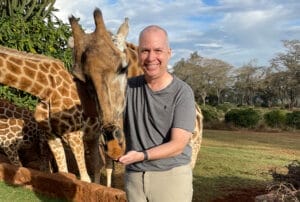
Hi, I’m Rae, based on the West Coast of Canada, on beautiful Vancouver Island. I’m a passionate traveler who has explored nearly 30 countries, but it was a solo journey to Africa that truly transformed my perspective. From the moment I arrived in Botswana, I felt an undeniable connection to the continent and was inspired to spend more time experiencing its extraordinary wildlife, breathtaking landscapes, and rich cultures. My solo travels have since taken me through Zimbabwe, Zambia, Mauritius, South Africa, Uganda, Namibia, and Kenya, where I experienced Gamewatchers Safaris and Porini Camps firsthand. It was during these immersive and unforgettable journeys that my passion for Africa evolved into a clear vision: to join the Gamewatchers team and help others discover the magic of safari. I’d love to connect and plan your wildest dreams!.
You can reach me by email at rae@gamewatchers.com
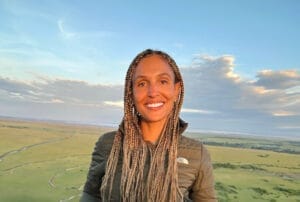
Greetings, I’m Julie Roggow, and I come to you with over two decades of immersion in the world of travel. My journey into the heart of safari adventures began as I traversed Kenya, Uganda, Tanzania, Rwanda, Botswana, Zimbabwe, and South Africa, capturing the essence of these mesmerizing landscapes through my lens. Among these remarkable destinations, Kenya and the Porini safari camps hold a special place in my heart. Their unique blend of wilderness and conservation resonates deeply with me.
My passion for travel is matched only by my dedication to sharing that passion with others. Whether you’re a seasoned traveler or embarking on your very first safari, I’m here to ensure that planning your safari vacation is an enjoyable and seamless experience.
Feel free to reach out to me by email at julie@gamewatchers.com or through our toll-free telephone line at +1-877-710-3014. Let’s embark on an unforgettable safari journey together, where the wild beauty of Africa awaits to enchant and inspire you.

Jambo, I’m Tommy Mees, most people call me Tom.
My connection with Africa began through years of travelling across the continent.
I later spent more than twelve years managing safari camps and lodges while supporting conservation initiatives including beekeeping and tree-planting projects.
Having travelled extensively throughout Eastern and Southern Africa, I developed a deep appreciation for authentic wilderness experiences and the conservation-focused approach of the Porini Camps.
I am originally from Belgium and now based in Spain, though my heart has always remained in Africa.
Alongside my safari background, I am also a professional photographer and enjoy helping travellers experience and capture the extraordinary wildlife, landscapes and cultures that make Africa so special.
If you are considering an African safari, feel free to contact me at tom@gamewatchers.com

Hola, I’m Andrea and my love affair with the captivating world of safaris began during my teenage years when I embarked on my very first safari in Kenya. There, amidst the awe-inspiring wildlife and expansive plains, I found my true passion. Over the years, Kenya has called me back time and time again, leading me to explore its myriad camps, conservancies, and renowned parks. More recently, I’ve had the privilege of staying at all the Porini Camps, where the spotlight shines on wildlife conservation—a cause close to my heart as I traverse the globe. While Kenya holds a special place in my wanderlust-filled heart, Tanzania, Uganda, and Rwanda have also woven their magic into my soul.
If you’re eager to embark on your own safari adventure or share your passion for conservation, please feel free to contact me at andrea@saririterra.com

Hello, I’m Kristy, your Australian-based Safari Advisor with Gamewatchers Safaris and Porini Camps. My background in ecology and conservation management, combined with a deep passion for nature and the great outdoors, led me to Kenya where I instantly fell in love with its spectacular wildlife and warm-hearted people. Having spent significant time at our Porini Camps and explored other camps we offer, I bring intricate knowledge to help craft your ultimate wildlife safari adventure. Whether you’re seeking the thrill of the savannah or the serenity of the wilderness, I’m here to make your safari dreams a reality.
Feel free to reach out to me on the Gold Coast, Australia, at kristy@gamewatchers.com or call on +61 419 175 672.
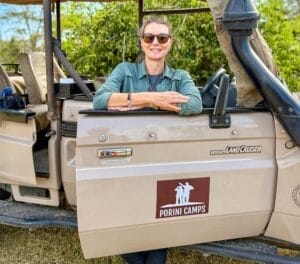
Hello, I’m Pranay Chandra, a veteran of the Indian Armed Forces whose profound passion for nature and wildlife led me to the world of wildlife photography. My lens has captured the essence of the wild, earning recognition in esteemed competitions like the Sanctuary Asia annual wildlife awards and the Natural History Museum’s Wildlife Photographer of the Year awards. Beyond photography, I’ve dedicated myself to conservation efforts, collaborating with Ecological Task Forces and supporting WWF India’s training initiatives in tiger reserves. In the realm of education, I’ve partnered with CEC, New Delhi, to create informative video programs on Human-Wildlife Conflicts. I’ve ventured to Kenya, embracing the splendours of Africa while staying at Porini camps and other renowned lodges.
You can connect with me via email at pranay@gamewatchers.com or call on +91 801 788 5256.


