



Skip to content

Big Five & Wildlife You Can See On Safari In Kenya

Kenya is one of Africa’s most rewarding safari destinations, home to an extraordinary diversity of wildlife across its savannahs, forests, wetlands, and semi-arid landscapes. From the famous Big Five to a wide range of plains game, predators, primates, and smaller mammals, a safari in Kenya offers far more than just headline sightings.

The animals you are likely to see on safari depend on several factors, including the region you visit, the type of habitat, the season, and how wildlife areas are managed. While many iconic species can be seen in multiple parts of the country, some animals are more closely associated with specific ecosystems and conservation areas.

This guide explores the animals you can see on a safari in Kenya and explains where different wildlife habitats offer the best opportunities for sightings. It also highlights how protected areas and conservancies play an important role in supporting healthy wildlife populations and more meaningful safari experiences.

Ilkeliani Guest Tent Interior

All-inclusive, premium comfort.

Stay in camps and lodges with modern amenities, with freshly-prepared cooked breakfasts, relaxed lunches and elegant three-course dinners. All served with quality wines, beers, spirits and classic safari drinks like gin and tonic.

Couple on safari viewing the sunset in Ol Kinyei Conservancy Kenya photo credit Rameez and Nabeel

Enjoy Africa (almost) entirely to yourselves.

Dine in private. Enjoy private or semi-private game drives with just a handful of guests. Experience sundowners in remote spots where it’s often just you, your guide and the view.

Couple holding hands by the pool at Asanja Ruaha Camp

Travel at a pace you’re comfortable with.

No rigid schedules. No rushed, fixed activities. No big crowds. The best African honeymoon packages should feel unplanned even if they aren’t.

Couple enjoying the view from their terrace at Lango Camp in Congo

Responsible tourism African honeymoons.

Honeymoon with a safari operator committed to conservation, low-impact travel, animal welfare and the support of local communities. 

Unforgettable honeymoon adventure - highly recommend!
Olivia G
Honeymoon vacation booked through Gamewatchers to Uganda, Kenya, and Tanzania. We worked with Rick to plan the itinerary and I could not recommend him or Gamewatchers more! He was incredibly responsive (often answering within the hour), flexible, and offered fantastic recommendations that led to an unforgettable adventure. If you're looking to do an East Africa trip, definitely use Gamewatchers.
This was the best safari honeymoon we could have asked for...
Megan E
Booking was easy and the adventure started from the moment they picked us up from the airplane and drove back to camp, viewing animals along the way. There were tons of animals - we saw pretty much everything you can think of - and tons of baby animals too! And we only saw one other vehicle the entire time we were on the conservancy. The food was delicious and included many vegetables which is always a concern for us when traveling somewhere new.
Ilkeliani Guest Tent Interior

All-inclusive, premium comfort.

Stay in camps and lodges with modern amenities, with freshly-prepared cooked breakfasts, relaxed lunches and elegant three-course dinners. All served with quality wines, beers, spirits and classic safari drinks like gin and tonic.

Couple on safari viewing the sunset in Ol Kinyei Conservancy Kenya photo credit Rameez and Nabeel

Enjoy Africa (almost) entirely to yourselves.

Dine in private. Enjoy private or semi-private game drives with just a handful of guests. Experience sundowners in remote spots where it’s often just you, your guide and the view.

Couple holding hands by the pool at Asanja Ruaha Camp

Travel at a pace you’re comfortable with.

No rigid schedules. No rushed, fixed activities. No big crowds. The best African honeymoon packages should feel unplanned even if they aren’t.

Couple enjoying the view from their terrace at Lango Camp in Congo

Responsible tourism African honeymoons.

Honeymoon with a safari operator committed to conservation, low-impact travel, animal welfare and the support of local communities. 

Unforgettable honeymoon adventure - highly recommend!
Olivia G
Honeymoon vacation booked through Gamewatchers to Uganda, Kenya, and Tanzania. We worked with Rick to plan the itinerary and I could not recommend him or Gamewatchers more! He was incredibly responsive (often answering within the hour), flexible, and offered fantastic recommendations that led to an unforgettable adventure. If you're looking to do an East Africa trip, definitely use Gamewatchers.
This was the best safari honeymoon we could have asked for...
Megan E
Booking was easy and the adventure started from the moment they picked us up from the airplane and drove back to camp, viewing animals along the way. There were tons of animals - we saw pretty much everything you can think of - and tons of baby animals too! And we only saw one other vehicle the entire time we were on the conservancy. The food was delicious and included many vegetables which is always a concern for us when traveling somewhere new.

Safe, secure all-inclusive African safari and beach honeymoon packages across the continent.

Enjoy a once-in-a-lifetime start to married life in hand-picked locations chosen for their romantic scenery and wildlife

Choose a ready-made itinerary or talk to us about your very own, custom, bespoke trip. We offer packages in Botswana, Kenya, Madagascar, Namibia, the Republic of Congo, Rwanda, South Africa, Tanzania, Uganda, Zambia, or Zimbabwe.

Our typical African safari honeymoon packages include:

  • A relaxed, atmospheric dining experience rather than formal restaurants.
  • Candlelit dinners around the fire.
  • Open skies and slower evenings.
  • No crowds, busy streets or constant distractions.
  • Landscapes that feel overwhelming in scale.
  • The ability to see animals up close in a natural environment.
  • Social but quiet evenings under the stars.
  • Relaxed conversation rather than organised entertainment.

We offer you complete reassurance that you will have a team of expert guides to give you the confidence to relax, knowing that animal safety, wildlife welfare and your general security and wellbeing are carefully managed throughout your time in Africa.

Experience Africa with unmatched exclusivity at our award-winning Porini Camps and Cottages in Kenya.

With just one tent per 700 acres and one vehicle per 1,400 acres permitted, you’re guaranteed quiet, uncrowded spaces and a more intimate, eco-friendly experience. This means enjoying Kenya’s wilderness almost entirely to yourselves, with closer, more meaningful wildlife encounters shared together.

Here you’ll stay in small, eco-sustainable camps designed for intimacy, comfort and personal service with an en-suite tent that offers privacy, modern amenities, excellent food and a low-impact design that blends naturally into the landscape. 

Guided by expert local Maasai guides who grew up on the conservancies, you’ll experience wildlife through the eyes of people with a deep, lived connection to the land, who understand animal behaviour instinctively and even know the animals by name.

While every stay helps fund habitat and wildlife protection, sustaining land leased directly from Maasai communities.

Talk to a Specialist

Choose a Safari Specialist in your time zone and start planning your tailor-made safari to Kenya.

Talk to a Specialist

Choose a Safari Specialist in your time zone and start planning your tailor-made safari to Kenya.

FAQs - Kenya Safari Animals

When is the best time to go to Kenya?

Kenya is on the equator and is known as a “year round destination” which can be visited anytime.

The hottest months are late January to March while the coolest are July and August.

There are two rainy seasons, known as the “long rains”, a ten week period between April and early June and the “short rains” a six week period during November and early December. Global weather patterns are changing and sometimes the rains fail completely in some parts of Kenya and there is a period of drought or there may be heavy rains outside the normal rainy season. However when it rains it tends to be mainly at night or in the early morning which means there can still be sunny days in between.

Many safari camps close during May when the long rains are at their height, as the tracks and roads get muddy and it may not be possible for the camp vehicles to take visitors on game drives.

During the hot months of January to March conditions can often be dry and dusty and the animals may congregate near water-holes so that there is excellent wildlife viewing.

Just after the rainy seasons, in June or again in December, many of the animals have their young to co-incide with the better grazing from new grass following the rains.

The wildebeest migration moves into the Mara between July and September and this is when many visitors come to Kenya and the parks can get more crowded with tourist vehicles.

To sum up:
- January to March: Usually hot and dry and great for wildlife viewing.
- April-May:  Can be wet and muddy.  
- June:  Green and lush after the rains.
- Jul-August:  Cooler but good for the migration in the Mara.
- September-October: Good weather and good wildlife viewing.
- November-December: The short rains.

Ensure you bring some additional warm clothing for chilly early morning or evening game drives (fleece, sweater). Although Kenya is on the equator, you may be surprised at how VERY cold it can get at night and in the early morning, especially in the higher locations!

Which are the best parks and reserves to visit?

Kenya is home to a vast array of parks and reserves, each offering its own unique landscapes and wildlife experiences.

To see a wide variety of animals and scenery, we often recommend combining two or more parks.

Private Reserves and Conservancies provide added benefits such as walking safaris, night game drives, and fewer other vehicles on the land, allowing for a more intimate experience with nature.

The best parks to visit also depend on the time of year and the wildlife you hope to see. That’s why it’s essential to speak with one of our Safari Specialists, who can advise on the ideal itinerary tailored to your interests and preferred destinations.

Click here to view Kenya's Parks & Conservancies.

What animals can I expect to see?

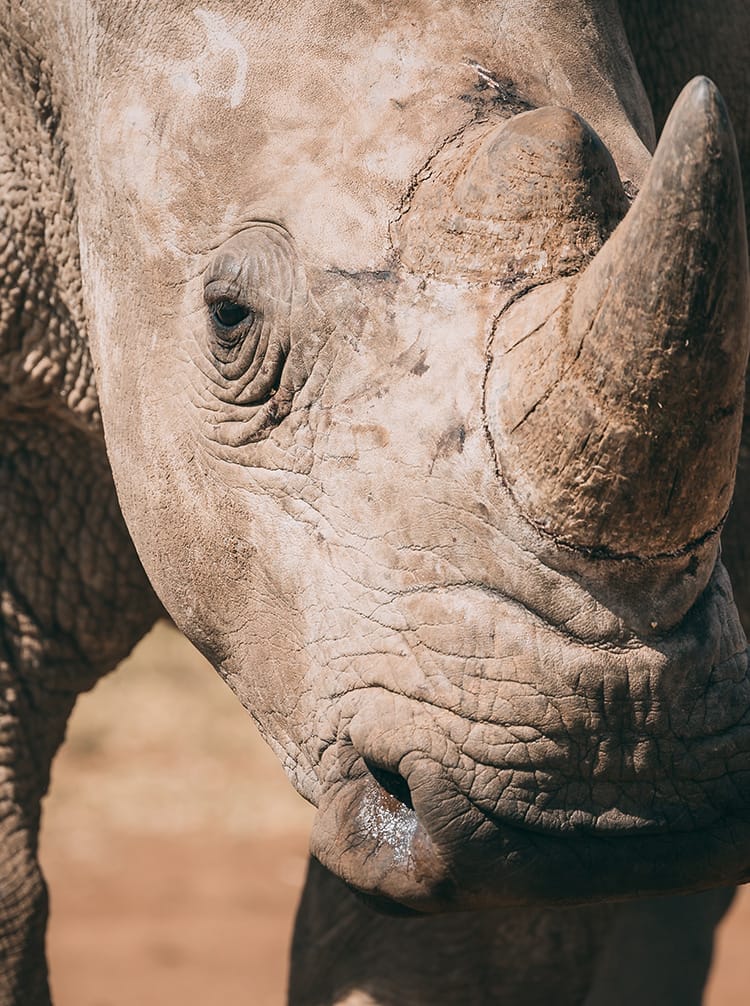
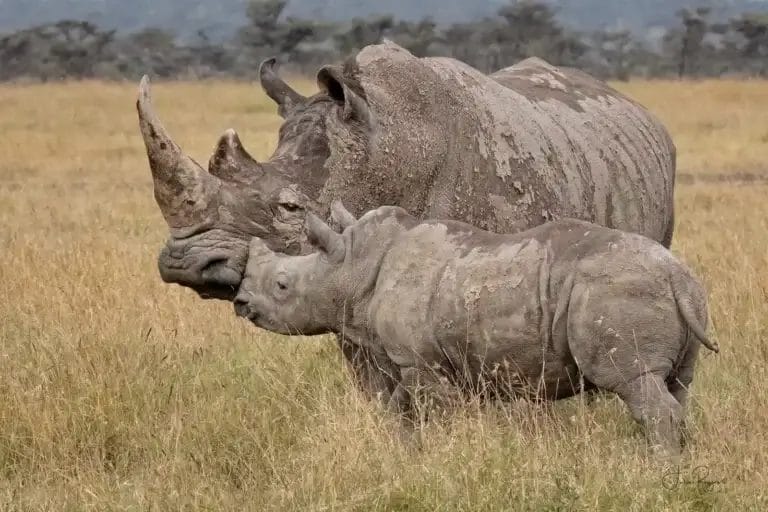
Kenya is the perfect destination for a Big Five Wildlife Safari.

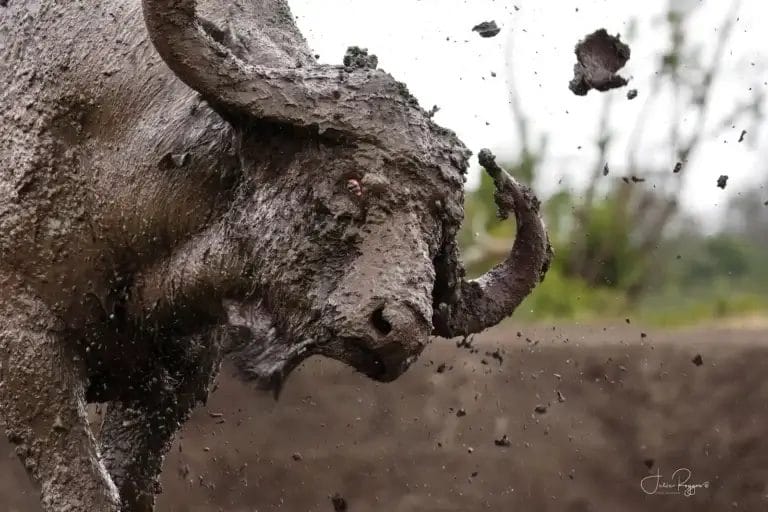
In most parks / conservancies you can normally guarantee that you will see the more common grazing animals such as buffalo, zebra, wildebeest, eland, giraffe, gazelles, impala and waterbuck.

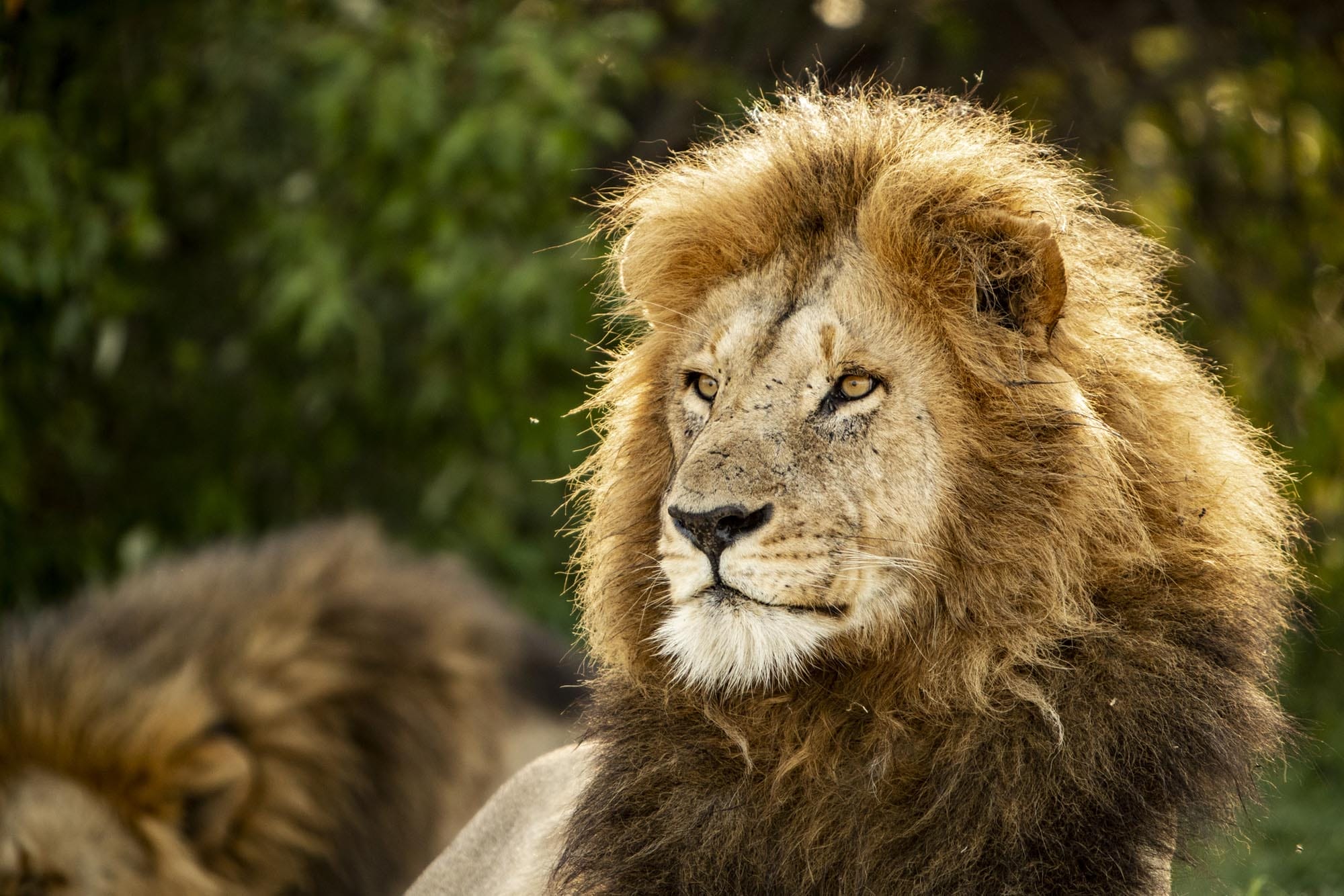
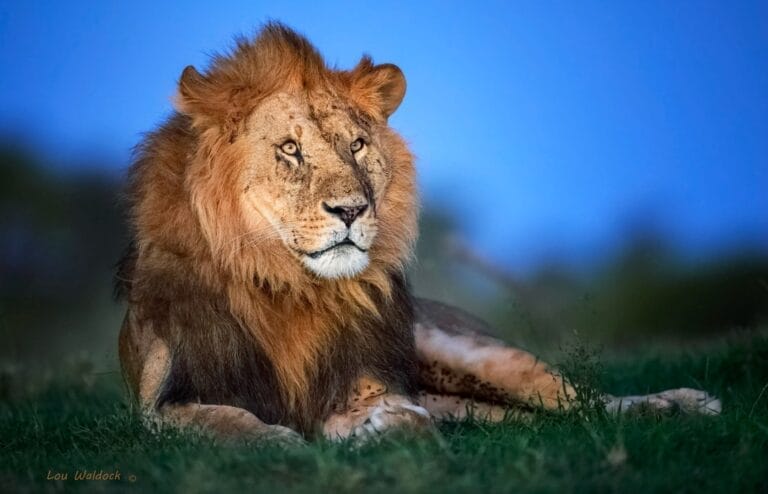
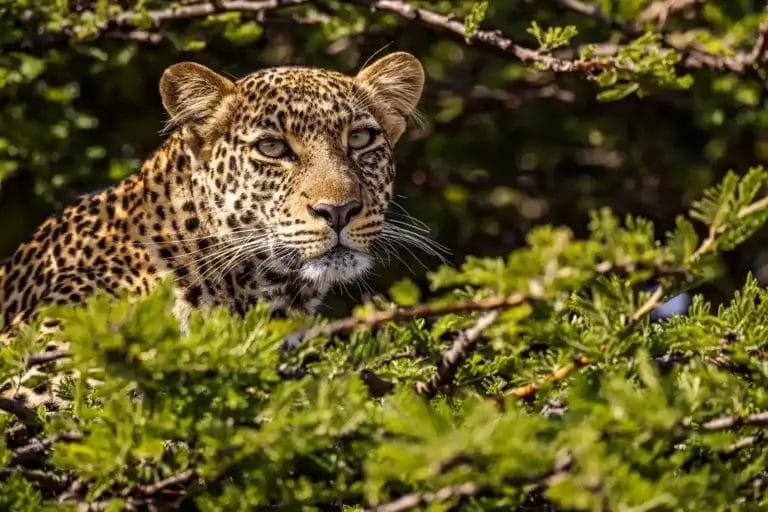
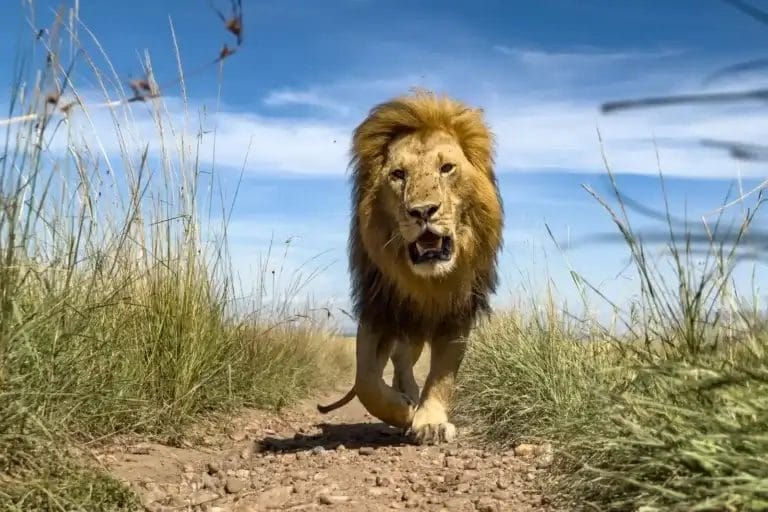
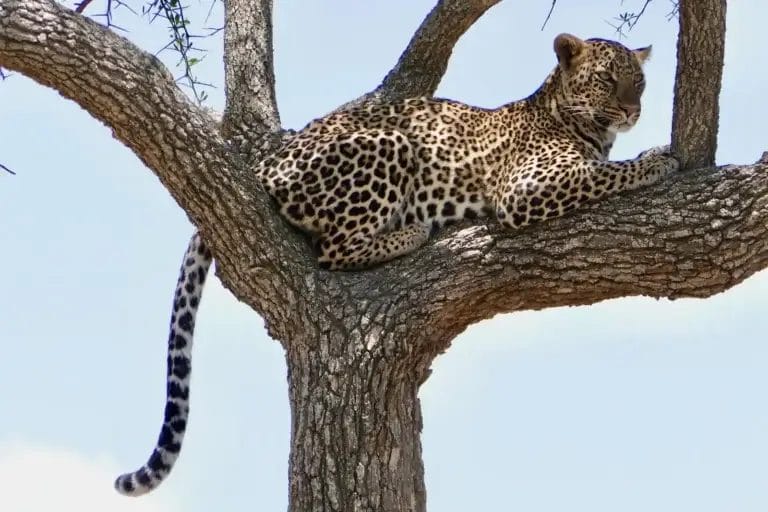
In addition, the big cats (lions, leopards and cheetahs) are present in most parks, but are most easily seen in the Mara and the Mara Conservancies.

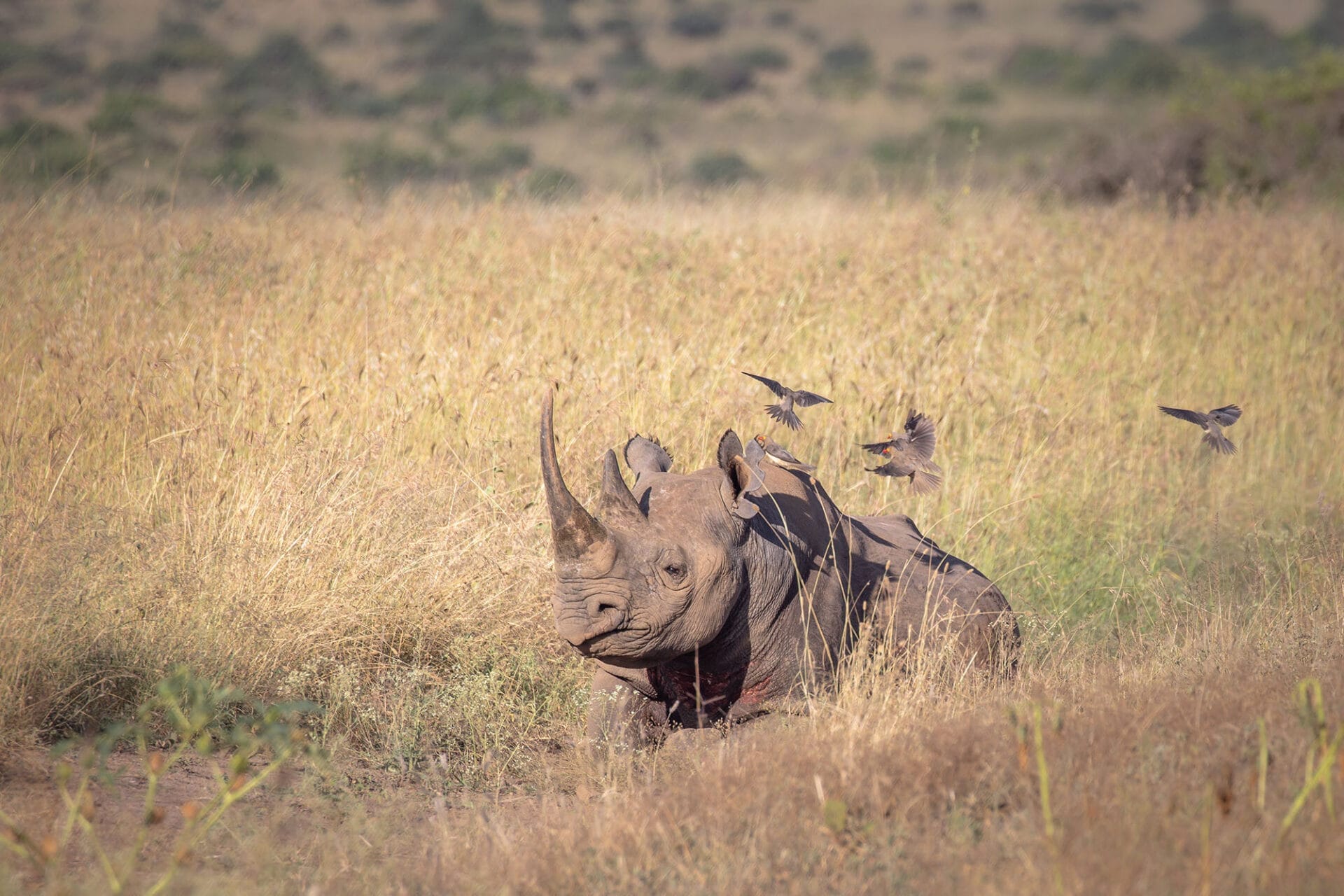
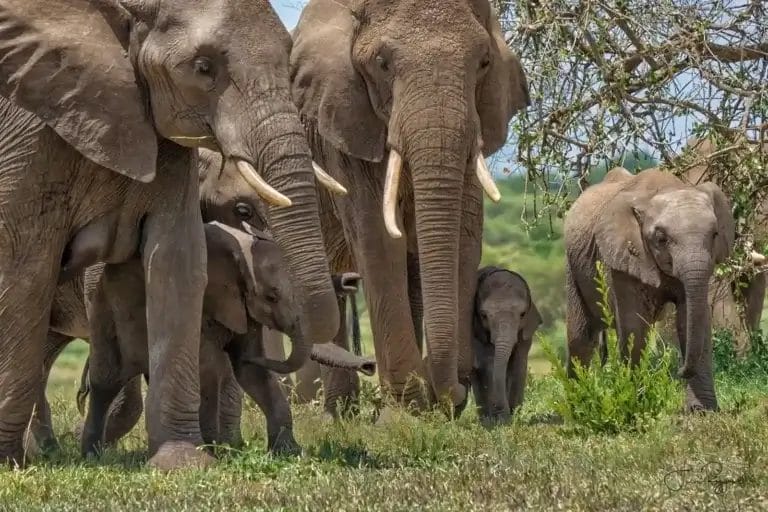
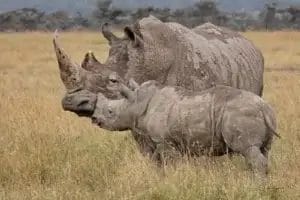
Elephants are best seen in Selenkay / Amboseli and Rhino are often sighted in Nairobi National Park, Ol Pejeta Conservancy and Lake Nakuru Park.

See this link for more information: What Animals Can I Expect To See?

What is the accommodation like on safari?

Safari lodges have guest rooms similar to a hotel with en suite bathrooms. They are comfortably furnished with all the facilities normally associated with a 3 star hotel. 

Tented lodges have rooms which are tents on a platform and with a roof and also have en suite facilities with showers, flush toilets and hot and cold running water, like a hotel bathroom.

The safari lodges and bigger tented lodges can be more “touristy” and being larger establishments they can be a bit impersonal if you are travelling alone or as a couple. They suit those who prefer to have the infrastructure and facilities of a hotel and most have swimming pools and extensive grounds and gardens.

Boutique lodges and camps can be very stylish and smart in terms of design and decor, often with very spacious rooms and even going so far in some cases as having plunge pools for each room.

Eco-camps and smaller tented camps have insect-proof tents with en suite facilities including safari shower and flush toilets. They give a more authentic safari experience but the tents are comfortably furnished with proper beds and you don’t need to bring your own sleeping bag! The emphasis is usually on having excellent guides and great wildlife viewing away from the crowds. Guests often eat together and people travelling alone usually say that they found the atmosphere friendly and enjoyed meeting other like-minded travellers round the camp fire in the evening or at dinner.

For a list of the selected camps and lodges in Kenya,  click here.


Is it safe to visit Kenya for a safari, and can you guarantee my family’s safety?

Kenya is generally safe for tourists. There are no travel restrictions in Kenya’s main wildlife regions (like the Maasai Mara, Amboseli, Samburu, and Tsavo). And we actively monitor security to ensure the safety of our guests.

Is there Wi-Fi or phone signal if we need to stay connected?

There is phone signal in most of the accommodation that we offer, and limited Wi-Fi in some communal areas. And while many guests will enjoy the chance to disconnect, there is still enough connectivity to stay in touch if needed.

How is the food, and do you cater for picky eaters or special diets?

The food available at most camps and lodges is of good quality and with an international style. Breakfasts include cereals, fruit, cold meats, eggs, bacon, sausages etc and fresh bread. Lunches and dinners may include soups, salads, cold meats, pasta, meat & fish dishes and fresh fruits and vegetables. Larger lodges tend to offer a buffet selection. Smaller camps have a more personal service with guests dining together communally. Some properties, such as our Porini Camps,  can offer bush breakfasts, picnic lunches and dinners for an experience of dining in the wild.

We can provide for other dietary needs, such as vegetarian, vegan, gluten-free and dairy-free with advance notice.

What is a typical day like on safari?


Each camp and lodge varies with its exact schedule, but generally safaris follow a typical pattern with two main activities each day. Activities are mainly game drives and guided walks, but in some locations can include game viewing from a river.

The morning may begin with a hot drink and light snack before the first drive / activity which starts at or just after sunrise. There are great opportunities to see wildlife at this time since it is still fairly cool and animals are most active. The morning activity usually ends by late morning with guests returning to the camp / lodge for breakfast / brunch.

Guests generally relax at the camp / lodge for the middle of the day. This is because the animals are quite inactive during the heat of the day – seeking shelter in the shade. Guests have lunch and enjoy the camp or lodge facilities (lounge / hammocks / swimming pool etc) or some properties offer short walks or visits to a hide.

The second main activity will follow afternoon tea (drink / snacks, etc) in the late afternoon and perhaps end at a scenic point to view the sunset. Some camps offer night drives after this. Guests later return to the camp / lodge for drinks and dinner.

Are we expected to give tips to lodge staff and the driver-guides and is there any advice on the normal amounts?

Tipping is entirely at your discretion and although it is not a requirement it is customary to tip for good service.  

As a guideline the following are the standard tipping rates, with tips in Kenya Shillings  preferred over US$:

Porters – KES 100 or more depending on quantity of luggage.

Bar & Restaurant Staff - 10% of bill.

Driver / guide on safari - KES. 1300 to 1950 ($10 to $15) per guest per day.

Camp staff - KES. 1300 to 1950 ($10 to $15) per guest per day into the staff tip box.

Is it easy to add a beach stay on to my safari?

Yes, it is very easy to add a beach resort stay afterwards, so you can enjoy a few days of effortless relaxation before returning home. We can arrange internal flights and hotel nights on your behalf. Find out more about our beach and safari packages here.

Curating ultimate tailor-made safari experiences for 35 years