

Skip to content

Kenya Safari Animals

Kenya is one of Africa’s most rewarding safari locations thanks to its diverse wildlife and landscapes. When you holiday in Kenya, you can expect to find the highly sought-after Big Five as well an extraordinary diversity of iconic Kenyan safari animals across savannah, forest, wetland and desert ecosystems

Leopard stalking it's prey on safari in Kenya - photo credit Damien & Team (Bryce, Andrew, Daniel)

Kenya Safari Animals

Across Kenya’s national parks and private conservancies—including the renowned Maasai Mara National Reserve, Amboseli National Park, Ol Pejeta Conservancy and Meru National Park — visitors can encounter big cats, elephants, rhinos, giraffes, and hundreds of bird species.

Kenya Animals: The Big Five

What are the Big Five?

The term Big Five originally referred to the five most difficult animals for hunters to track on foot: lion, leopard, elephant, buffalo and rhino.

Today the phrase is widely used in wildlife tourism to describe Africa’s most iconic safari animals.

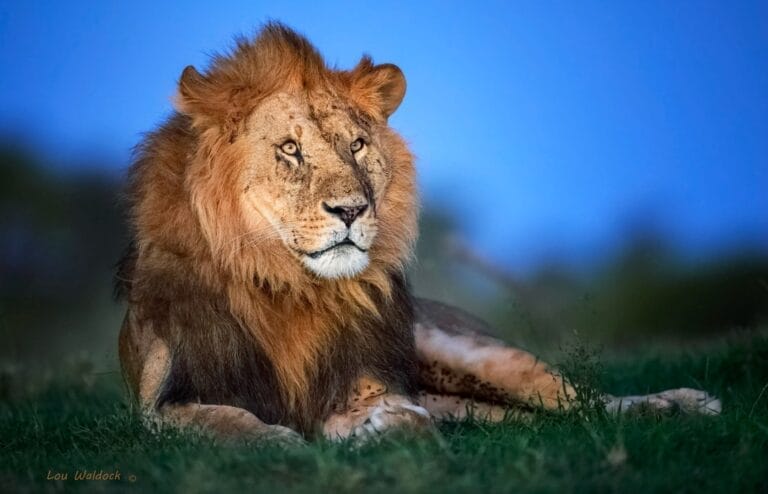
Lion with blue sky - photo credit Lou Waldock

Lion

The undisputed king of the savannah, lions are most common in the Maasai Mara and Conservancies, but can also be seen throughout Kenya, in Nairobi National Park and conservancies like Selenkay and Ol Pejeta.

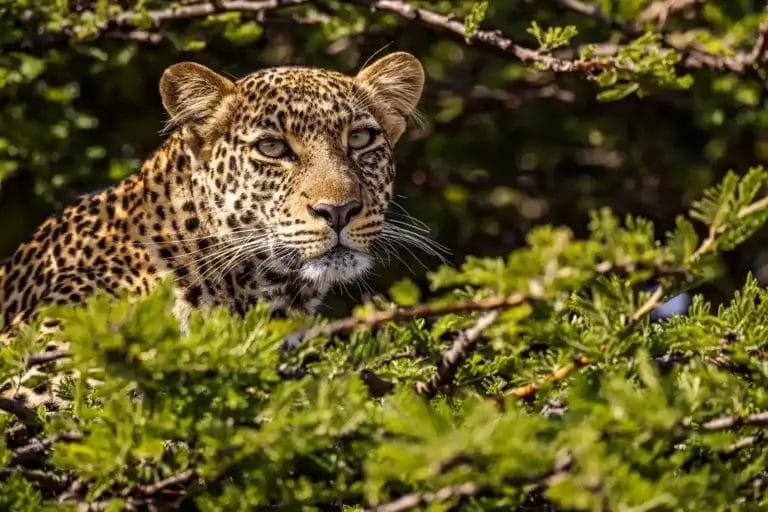
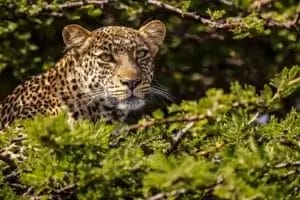
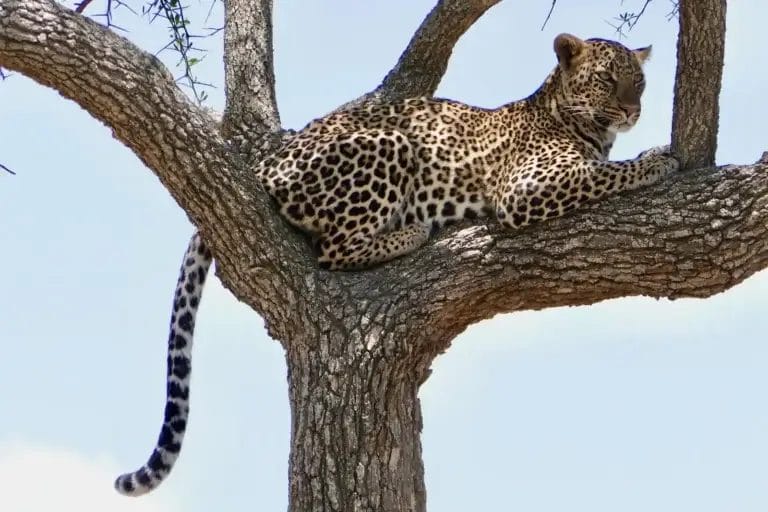
Leopard in the tree in Olare Motorogi Conservancy in Kenya, Photo credit Tomas Rodriguez

Leopard

The most elusive of the Big Five, leopards are solitary and nocturnal, making a sighting a special treat. Prime areas include the Maasai Mara and Conservancies.

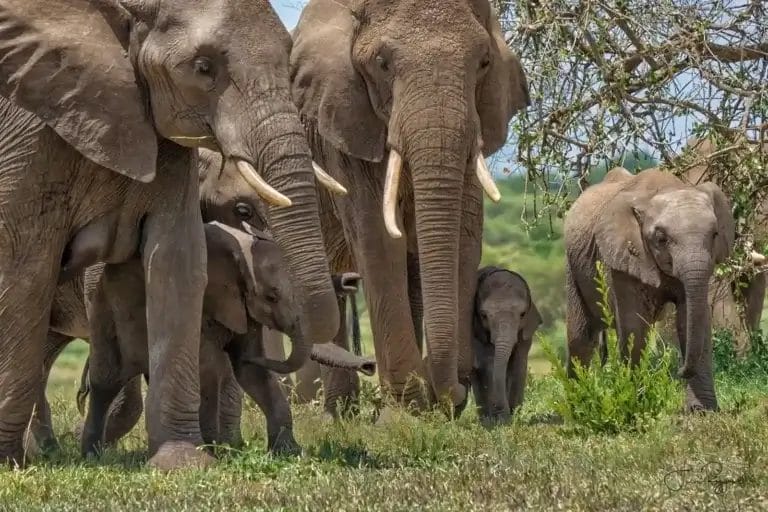
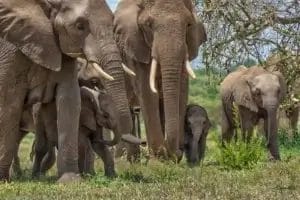
A herd of Elephants in the grass in Selenkay Conservancy Kenya. Photo credit Julie Roggow.

Elephant

These magnificent giants can be found across the country, with large herds particularly abundant in Amboseli National Park, the Selenkay Conservancy,  as well as in the Maasai Mara and Conservancies.

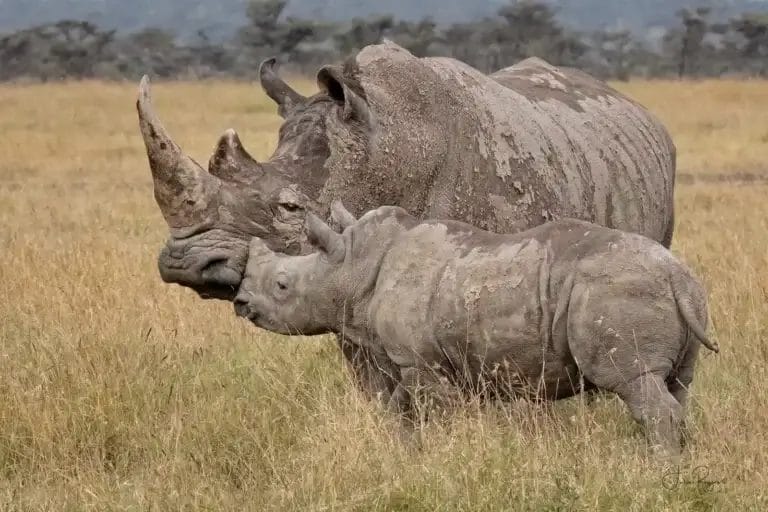
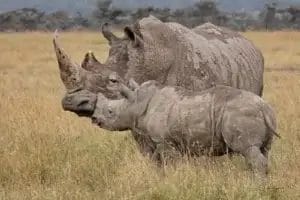
Adult & baby White Rhinos at Porini Rhino Camp in Ol Pejeta Conservancy Kenya. Photo credit Julie Roggow.

Rhino

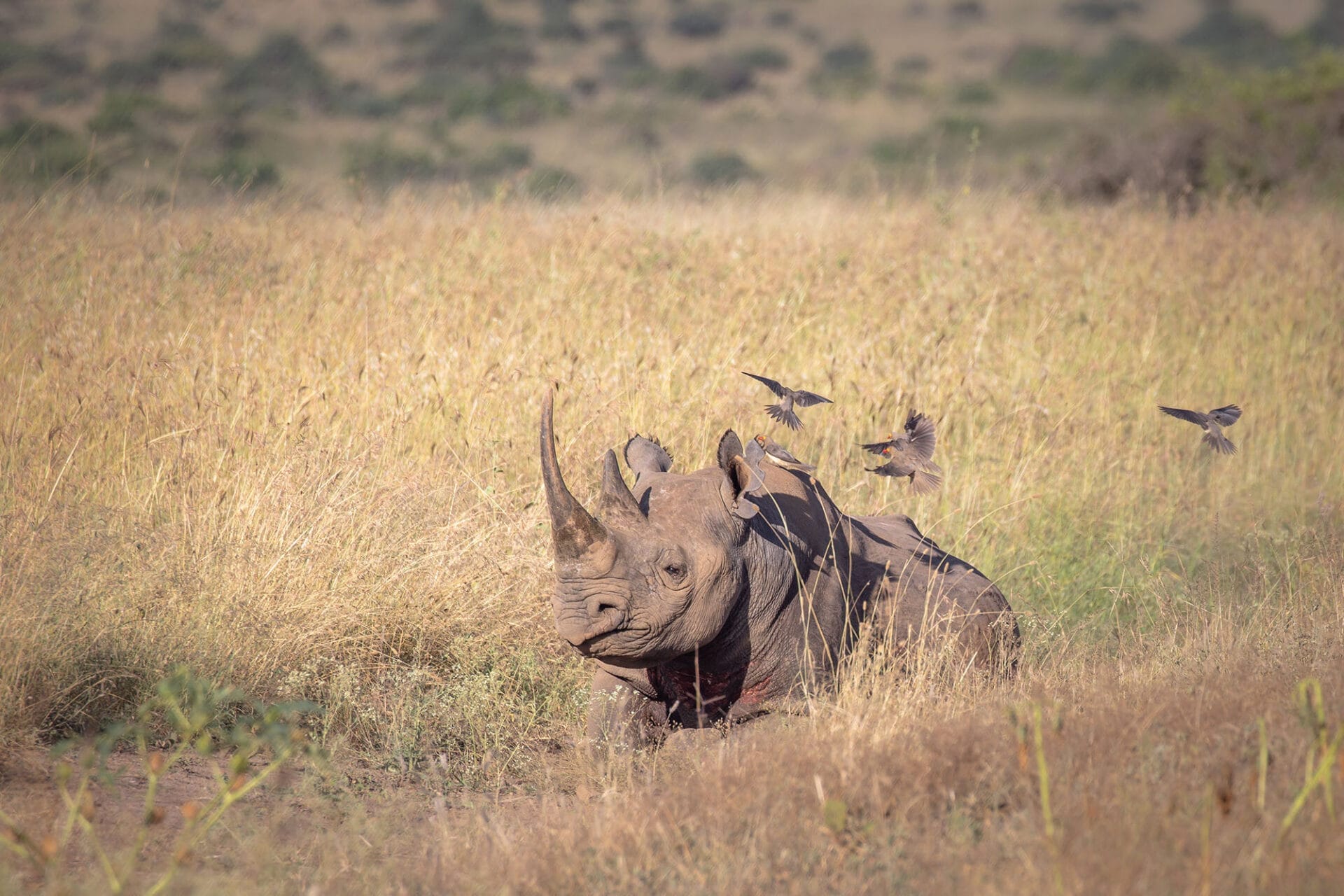
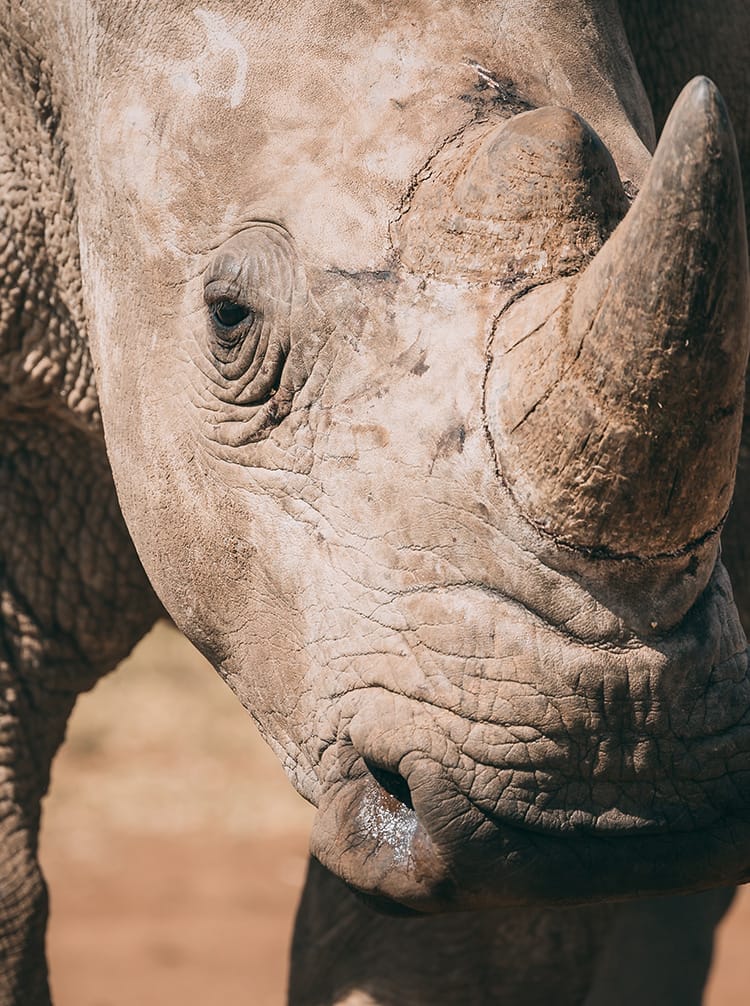
Both the critically endangered Black Rhino, White Rhino & last two remaining Northern White Rhino can be seen in Ol Pejeta Conservancy – a key location, known for its rhino conservation. Black & white Rhino can also be found in Meru and Nairobi National Park.  

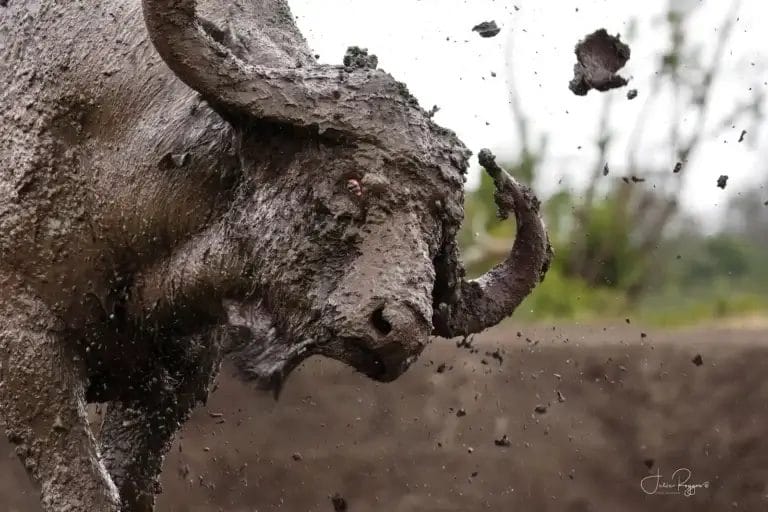
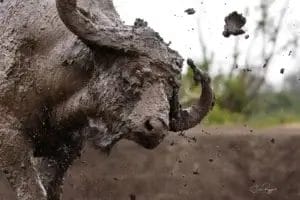
Cape Buffalo shakes mud off its self at Porini Rhino Camp in Ol Pejeta Conservancy Kenya. Photo credit Julie Roggow.

Cape Buffalo

Often found in large, unpredictable herds, the Cape Buffalo is a common sight in most major parks and conservancies, including the Maasai Mara and Conservancies and Amboseli National Park.

Kenya Animals: The Big Five

What are the Big Five?

The term Big Five originally referred to the five most difficult animals for hunters to track on foot: lion, leopard, elephant, buffalo and rhino.

Today the phrase is widely used in wildlife tourism to describe Africa’s most iconic safari animals.

Lion with blue sky - photo credit Lou Waldock

Lion

The undisputed king of the savannah, lions are most common in the Maasai Mara and Conservancies, but can also be seen throughout Kenya, in Nairobi National Park and conservancies like Selenkay and Ol Pejeta.

Leopard in the tree in Olare Motorogi Conservancy in Kenya, Photo credit Tomas Rodriguez

Leopard

The most elusive of the Big Five, leopards are solitary and nocturnal, making a sighting a special treat. Prime areas include the Maasai Mara and Conservancies.

A herd of Elephants in the grass in Selenkay Conservancy Kenya. Photo credit Julie Roggow.

Elephant

These magnificent giants can be found across the country, with large herds particularly abundant in Amboseli National Park, the Selenkay Conservancy,  as well as in the Maasai Mara and Conservancies.

Adult & baby White Rhinos at Porini Rhino Camp in Ol Pejeta Conservancy Kenya. Photo credit Julie Roggow.

Rhino

Both the critically endangered Black Rhino, White Rhino & last two remaining Northern White Rhino can be seen in Ol Pejeta Conservancy – a key location, known for its rhino conservation. Black & white Rhino can also be found in Meru and Nairobi National Park.  

Cape Buffalo shakes mud off its self at Porini Rhino Camp in Ol Pejeta Conservancy Kenya. Photo credit Julie Roggow.

Cape Buffalo

Often found in large, unpredictable herds, the Cape Buffalo is a common sight in most major parks and conservancies, including the Maasai Mara and Conservancies and Amboseli National Park.

Big Cats In Kenya: Lions, Leopards & Cheetahs

Beyond the bucket list Big Five, Kenya is famed as one of the best places in Africa to see big cats in the wild and is renowned for sightings of the three iconic African predators:

Two conservancies within the Mara ecosystem—Olare Motorogi Conservancy and Ol Kinyei Conservancy—are especially important for big cat conservation. Scientific research has shown that these conservancies support one of the highest lion densities recorded in Africa, while also providing excellent habitat for both leopards and cheetahs.

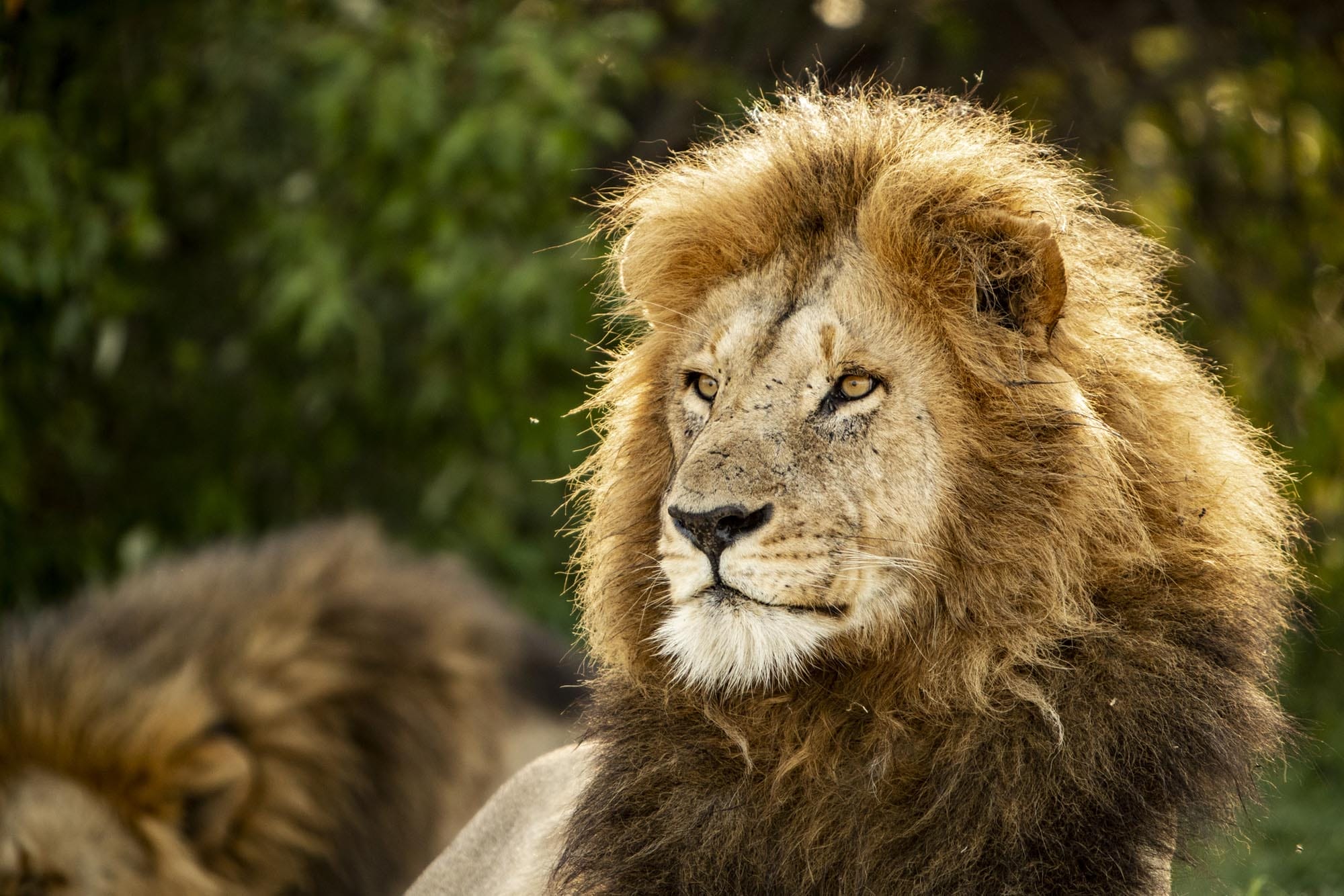
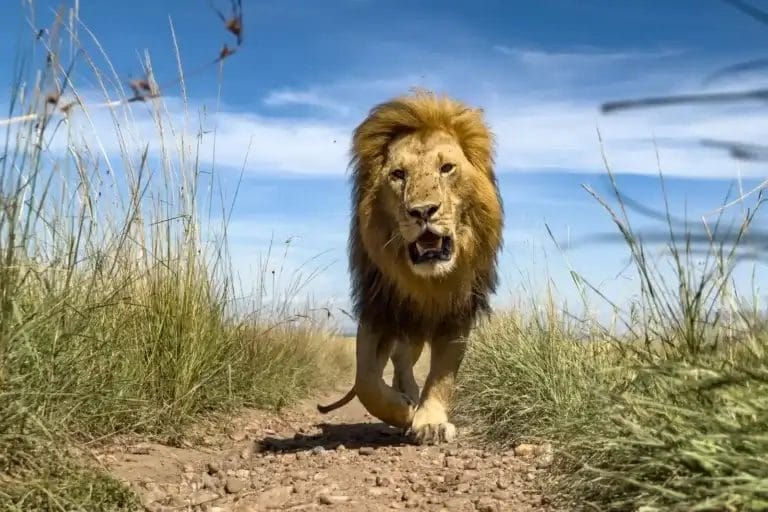
Male Lion walking towards the camera. Taken on safari at Porini Camps. Photo credit Siddharth Ramaswamy
Leopard in a tree.Taken on safari at the Porini Camps in Kenya. Photo credit Irene Brennan.
Mother & her Cheetah cub in the grass, in Olare Motorogi Conservancy in Kenya, Photo credit Tomas Rodriguez
Male Lion walking towards the camera. Taken on safari at Porini Camps. Photo credit Siddharth Ramaswamy

Lion:  Lions are among the most frequently seen big cats in Kenya and thrive in the open grasslands of the Maasai Mara Eco-system. The Olare Motorogi Conservancy  and Ol Kinyei Conservancy support one of the highest lion densities recorded in Africa, with excellent opportunity for sightings from Porini Lion Camp and Porini Mara Camp.

Leopard in a tree.Taken on safari at the Porini Camps in Kenya. Photo credit Irene Brennan.

Leopard: Leopards are more elusive but regularly seen in the riverine forests and woodland edges of the Maasai Mara Eco-system. Sightings are particularly rewarding within conservancies such as Olare Motorogi Conservancy,  Ol Kinyei Conservancy & Ripoi Conservancy, where limited vehicle numbers allow guides to track these secretive cats more quietly.

Mother & her Cheetah cub in the grass, in Olare Motorogi Conservancy in Kenya, Photo credit Tomas Rodriguez

Cheetah:  The world’s fastest land animal is often spotted in the open plains of the Maasai Mara Eco-system, especially in areas like Ol Kinyei Conservancy, where camps like Porini Cheetah Camp are located, offering fantastic opportunities for viewing them.

Kenya Safari Locations: What Animals Can I See in Kenya?

Kenya boasts an incredible variety of safari destinations, from vast open savannahs to Great Rift Valley lakes, which is why it is the go-to place for seeing animals in their natural habitat.

Maasai Mara Eco-System

    Maasai Mara is one of Africa’s most celebrated wildlife destinations, known for exceptional big cat sightings and the annual Great Wildebeest Migration.

    Its open plains support lions, cheetahs, leopards, elephants, giraffes and vast herds of grazing animals.

See More

Amboseli Eco-System

Best known for its magnificent views of Mount Kilimanjaro and its large herds of Elephants. Seasonal wetlands and open plains attract buffalo, lions, hyenas, hippos and abundant birdlife, making it one of Kenya’s most rewarding wildlife destinations.
See More

Ol Pejeta Conservancy

A renowned Big Five conservancy and one of Kenya’s leading wildlife conservation areas.

Visitors can see lions, elephants, buffalo, leopards and endangered black and white rhinos across open plains, acacia woodland and riverine habitats supporting a rich diversity of wildlife.

Home to the last two remaining Northern White Rhinos & Sweetwaters Chimpanzee Sanctuary.

See More

Nairobi National Park

Only national park in the world bordering a capital city and offers remarkable wildlife viewing just outside Nairobi. Visitors can see lions, giraffes, buffalo and both black and white rhinos across open plains and acacia woodland, with the city skyline often visible in the distance.
See More

Tsavo National Park

Tsavo East National Park and Tsavo West National Park together form one of the largest protected wildlife areas in Africa. The region is known for its red-dust elephants, lions, leopards, giraffes and diverse landscapes ranging from lava flows to riverine forests.
See More

Lake Nakuru National Park

With both black and white rhinopopulations protected within the park. Its acacia woodland and lakeshore habitats also support lions, leopards, giraffes, hippos and large flocks of flamingos & birds.
See More

Meru National Park

A vast and relatively uncrowded wilderness where visitors can see lions, elephants, rhinos and leopards alongside large herds of buffalo and plains game. The park’s rivers, palm groves and open grasslands create diverse habitats for wildlife, while its varied landscapes make Meru an excellent destination for birdwatching.
See More

Samburu National Park

Famous for the “Samburu Special Five”Grevy’s zebra, reticulated giraffe, Beisa oryx, Somali ostrich and gerenuk. The Ewaso Ng’iro River attracts elephants, lions, leopards and crocodiles, making the reserve one of northern Kenya’s most distinctive safari destinations.
See More

Porini Camps Mammals Guide

The Porini Camps Mammals Guide is a Field Guide to the mammals that can be seen on wildlife viewing drives from the Porini Safari Camps  in Kenya.

The guide includes useful facts, figures and images of over 70 animal species and is designed to help you identify the various animals that you may see with our experienced safari guides on day and night game drives from the camps.

Kenya Wildlife Safaris

Explore our thoughtfully planned safaris centred on particular animals, ecosystems and conservation priorities.

Experience Africa with unmatched exclusivity at our award-winning Porini Camps and Cottages in Kenya.

With just one tent per 700 acres and one vehicle per 1,400 acres permitted, you’re guaranteed quiet, uncrowded spaces and a more intimate, eco-friendly experience. This means enjoying Kenya’s wilderness almost entirely to yourselves, with closer, more meaningful wildlife encounters shared together.

Here you’ll stay in small, eco-sustainable camps designed for intimacy, comfort and personal service with an en-suite tent that offers privacy, modern amenities, excellent food and a low-impact design that blends naturally into the landscape. 

Guided by expert local Maasai guides who grew up on the conservancies, you’ll experience wildlife through the eyes of people with a deep, lived connection to the land, who understand animal behaviour instinctively and even know the animals by name.

While every stay helps fund habitat and wildlife protection, sustaining land leased directly from Maasai communities.

Talk to a Specialist

Our experienced Safari Consultants—based in Nairobi and around the world—are here to guide you every step of the way. From expert advice to seamless planning, we’ll take care of every detail to create a safari that’s perfectly tailored to you.

Get in touch today, and a dedicated Safari Specialist in your time zone will start crafting your personalised safari to Africa.

Wildlife Spotlights: Animals of Kenya

Explore our latest blogs highlighting the remarkable animals you can encounter on safari in Kenya — from iconic big cats and elephants to rare species and exceptional birdlife across diverse ecosystems.

This video showcases the incredible wildlife encounters you can expect on a Porini safari across Kenya’s wildlife conservancies — from quiet, intimate moments to unforgettable sightings, all experienced at a natural pace.

FAQs - Kenya Safari Animals

Kenya is the perfect destination for a Big Five Wildlife Safari.
In most parks / conservancies you can normally guarantee that you will see the more common grazing animals such as buffalo, zebra, wildebeest, eland, giraffe, gazelles, impala and waterbuck.
In addition, the big cats (lions, leopards and cheetahs) are present in most parks, but are most easily seen in the Mara and the Mara Conservancies.
Elephants are best seen in Selenkay / Amboseli and Rhino are often sighted in Nairobi National Park, Ol Pejeta Conservancy and Lake Nakuru Park.
Kenya is also home to unique northern species such as Grevy’s zebra, Gerenuk and reticulated giraffe, as well as over 1,000 bird species.
The Big Five refers to the five most iconic and historically dangerous animals to hunt on foot in Africa: Lion, Leopard, African Elephant, Rhinoceros (Black or White), and Cape Buffalo. Today, they are the most sought-after wildlife sightings on safari.
Yes. Kenya is one of the best places in Africa to see the Big Five — lion, leopard, elephant, buffalo and rhino. Many safari itineraries combine different ecosystems, such as the Maasai Maraand Ol Pejeta Conservancy, to maximise the chances of seeing all five species.
The Maasai Mara and its surrounding conservancies offer some of the most reliable lion sightings in Africa. Areas such as Olare Motorogi Conservancy and Ol Kinyei Conservancy support exceptionally high lion densities and provide quieter wildlife viewing with limited vehicle numbers.
Wildlife viewing is good year-round.
Dry seasons (June–October and January–February) concentrate animals near water sources and simplify spotting.
Greener months (March–May and November–December) offer lush landscapes, newborn animals and excellent birdlife.
Kenya protects both black and white rhinos in several parks and conservancies, including Ol Pejeta Conservancy (home to the last two Northern White Rhinos), Nairobi National Park, Lake Nakuru National Park, and Meru National Park, where conservation programmes support population recovery.
Yes. Kenya is one of Africa’s premier safari destinations due to diverse ecosystems, strong conservation programmes, and reliable wildlife viewing. Areas such as Maasai Mara, Amboseli and Samburu National Reserve support large mammal and bird populations. Kenya is also famous for the annual wildebeest migration and well-managed community conservancies for quieter experiences.
Private Reserves and Conservancies offer walking safaris, night drives, and fewer vehicles for intimate experiences while supporting community conservation. The ideal parks depend on season and desired wildlife, so consulting a Safari Specialist is recommended.
Elephants, giraffes, zebras, antelopes, wildebeest, warthogs and lions are most frequently observed. Rarer species like leopards and cheetahs may require guided tracking.
Yes. Kenya is home to globally threatened species such as the last two Northern White Rhinos, black and white rhinos, elephants, Grevy’s zebra, reticulated giraffe, and wild dogs. Conservancies like Ol Pejeta and Selenkay provide protected habitats for these species.
A minimum of 3–5 nights is recommended to experience a variety of habitats and species. Longer itineraries allow exploration of multiple parks and conservancies, increasing your chances of seeing big cats, elephants, rhinos, and birdlife across different ecosystems.

Curating ultimate tailor-made safari experiences for 35 years