

Skip to content

Kenya National Parks, Reserves & Conservancies

Discover Kenya’s diverse wildlife habitats, from vast savannahs and forests to exclusive private conservancies

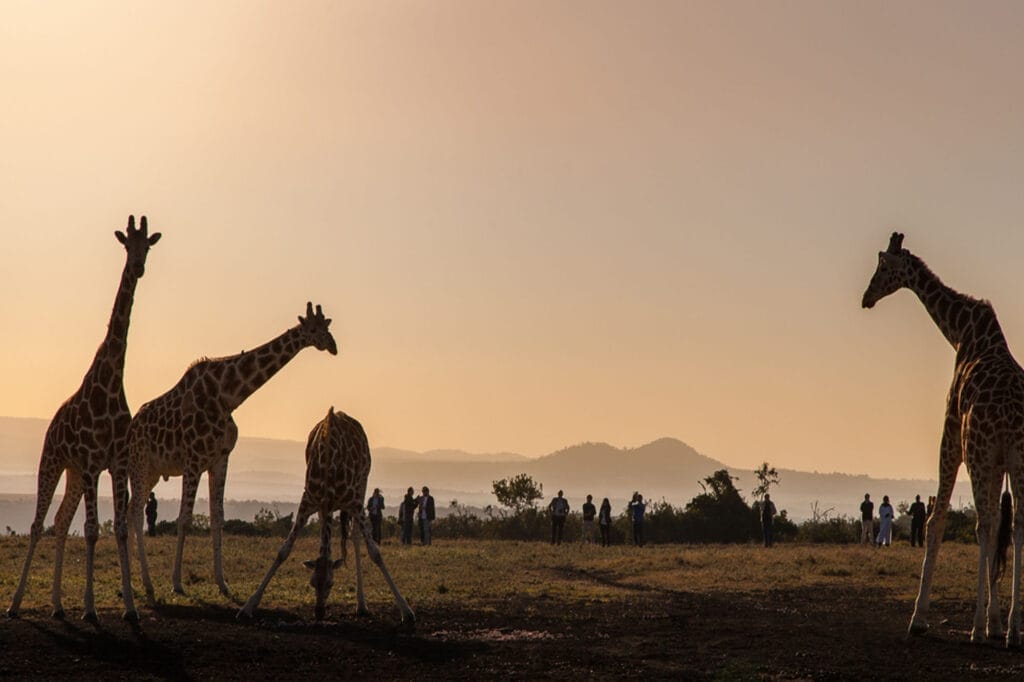
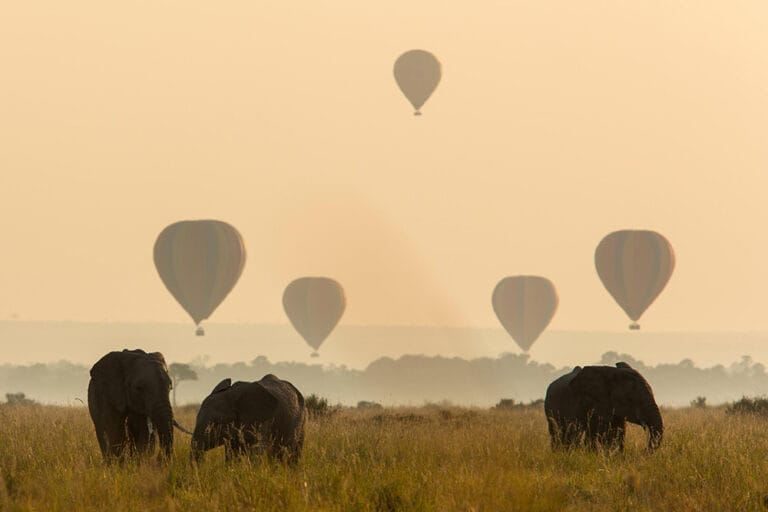
Kenya is widely regarded as the birthplace of the modern safari, and its diverse network of protected areas is central to that reputation. Across the country, there are over 40 national parks and wildlife reserves, each established to conserve natural habitats and safeguard Kenya’s extraordinary wildlife. From the vast plains of the Maasai Mara to the sweeping savannahs of Amboseli with its iconic elephant herds and stunning views of Mount Kilimanjaro, these parks offer opportunities to see iconic species such as elephants, lions, rhinos, and giraffes in landscapes that are as varied as they are breathtaking.

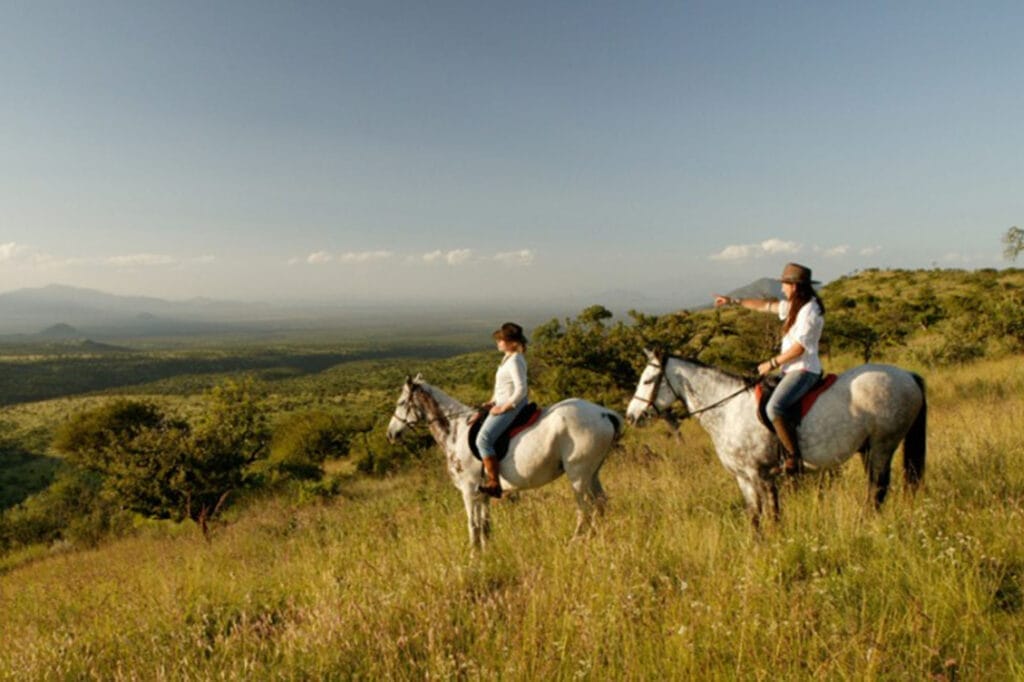
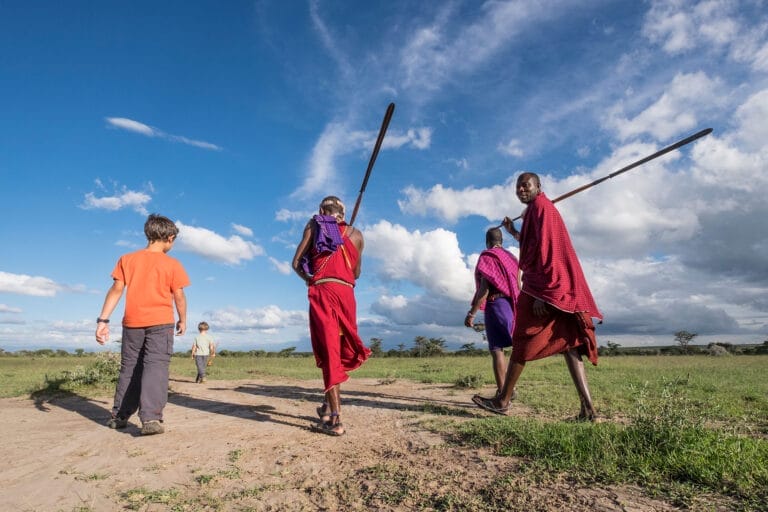
In addition to national parks and reserves, Kenya is home to a pioneering system of private and community conservancies and Gamewatchers Safaris was the pioneer of the Conservancy Concept in Kenya. The key difference lies in ownership and management: while national parks are state-run with strict regulations, conservancies are leased or owned by local communities or private landholders, offering more flexible wildlife management and controlled tourism. Conservancies often allow a lower density of visitors, enabling exclusive safari experiences, walking safaris, night drives, and other activities not permitted in national parks. 

Gamewatchers Safaris has been at the forefront of the conservancy movement in Kenya. Working closely with Maasai landowners, our Founder, Jake Grieves-Cook, pioneered community-owned wildlife conservancies, beginning in 1997 with Selenkay Conservancy in Amboseli and Ol Kinyei Conservancy in 2005, followed by Olare Motorogi, Naboisho, and the more recent Mara Ripoi Conservancy. These projects combine conservation, community benefit, and sustainable tourism, creating safe habitats for wildlife while providing income and employment opportunities for local people.

Whether exploring the vast state-run parks or the exclusive private conservancies, Kenya’s protected areas offer unparalleled opportunities to experience wildlife, landscapes, and culture in a way that is both sustainable and unforgettable.

As the undisputed heart of the African safari, Kenya is home to over 40 national parks and reserves that safeguard some of the world’s most iconic wildlife and breathtaking landscapes. From the elephant herds in Amboseli to the vast plains of Maasa Mara, the Kenya national parks have everything you need to create the perfect safari experience.

In addition to government-run parks, private and community conservancies offer a more exclusive and low-impact safari experience.  Through our pioneering work with local communities, we offer intimate access to private conservancies like Selenkay and Ol Kinyei, ensuring a low-impact, crowd-free safari where guided walks and night drives bring you closer to nature than ever before. 

Discover the perfect mix of world renown national parks and exclusive conservancies for an unforgettable, sustainable adventure.

Kenya Safari Locations

Aberdare National Park
  • National Reserve.
  • Mountain wilderness, forest sanctuary, and timeless highland beauty.
  • Elephants, buffaloes, black rhinos, leopards and  over 250 recorded species of bird.

Explore this location.

Amboseli & Selenkay Conservancy
  • National Reserve & Private Conservancy.
  • Iconic elephant herds with Kilimanjaro backdrop.
  • Private Conservancy offer off road, night drives and guided walks.

Explore this location.

Lewa Wildlife Conservancy
  • Private Conservancy.
  •  A 62,000-acre sanctuary in northern Kenya, offering exclusive wildlife experiences and community-led conservation.
  • Home to the Big Five, Grevy’s zebra, and over 400 bird species.

Explore this location.

Maasai Mara Eco-System
  • National Reserve & Private Conservancies.
  • World-famous for lions, cheetahs, and the Great Migration season.
  • Private Conservancies offer incredible wildlife density and fewer vehicles..

Explore this location.

Meru National Park
  • National Reserve & Private Conservancies.
  • Ideal for experienced safari travellers or those seeking a quieter, authentic experience.
  • Elephants, lions, leopards, rhinos, hippos, crocodiles.

Explore this location.

Nairobi National Park
  • National Reserve.
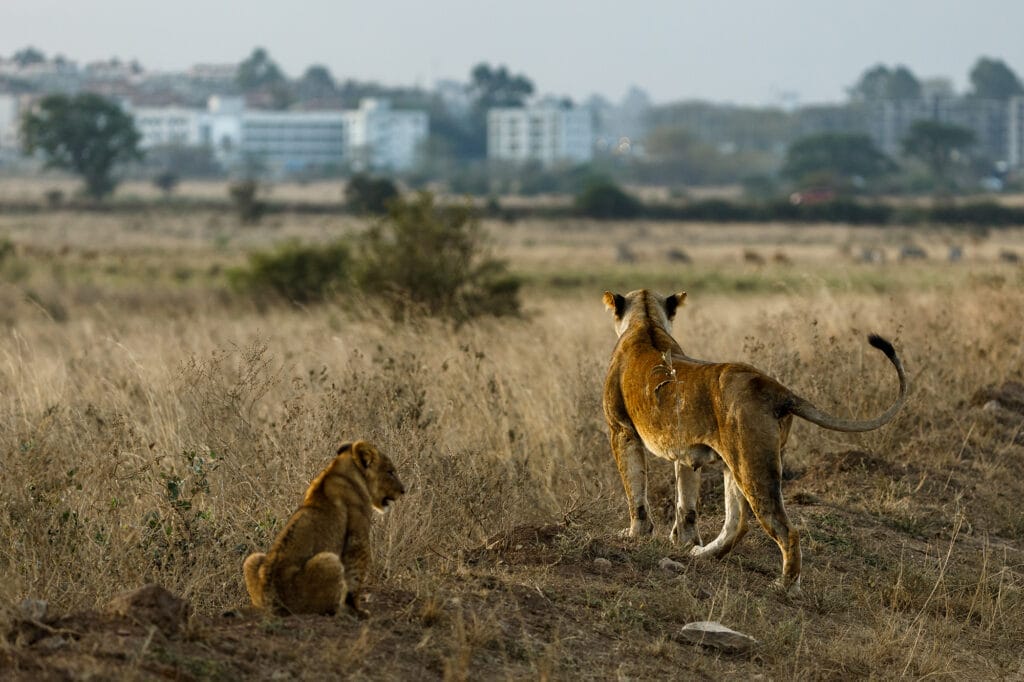
  • Only national park in the world located within a capital city, authentic experience.
  • Expect to see lions, cheetahs, leopards, hyenas, giraffes, rhinos, hippos, crocodiles and over 400 bird species.

Explore this location.

Ol Pejeta Conservancy
  • Private Conservancy.
  • Big Five game viewing with meaningful conservation initiatives.
  • Home to the last remaining northern white rhinos on the planet..

Explore this location.

Rift Valley Lakes
  • Among the most celebrated are Lakes Naivasha, Elmenteita, Nakuru, and Bogoria, all within a few hours’ drive of Nairobi, making them easily accessible yet dramatically diverse in character.
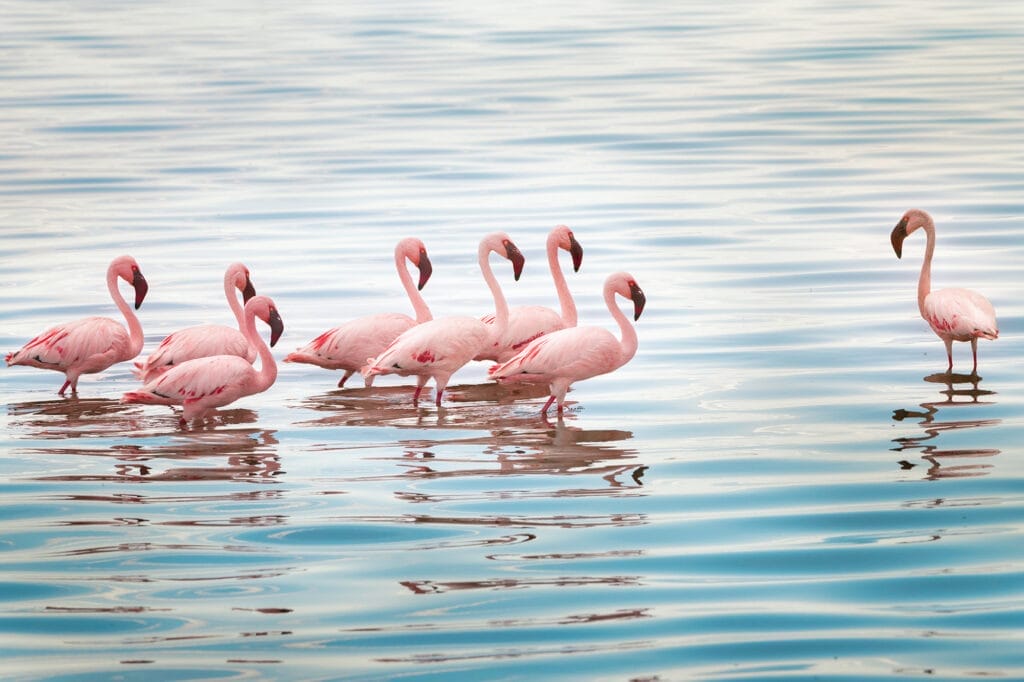
  • Ideal for birding with Lake Nakuru National Park and Lake Elementaita historically famous for flamingos, pelicans, and hundreds of migratory bird species.
  • Lake Nakuru National Park is one of Kenya’s most important protected areas for rhinos,

Explore this location.

Samburu
  • National Reserve & Private Conservancies.
  • Renowned for wildlife rarely seen elsewhere in Kenya, including Grevy’s zebra, reticulated giraffe, Beisa oryx, Somali ostrich, and gerenuk — species specially adapted to arid landscapes.
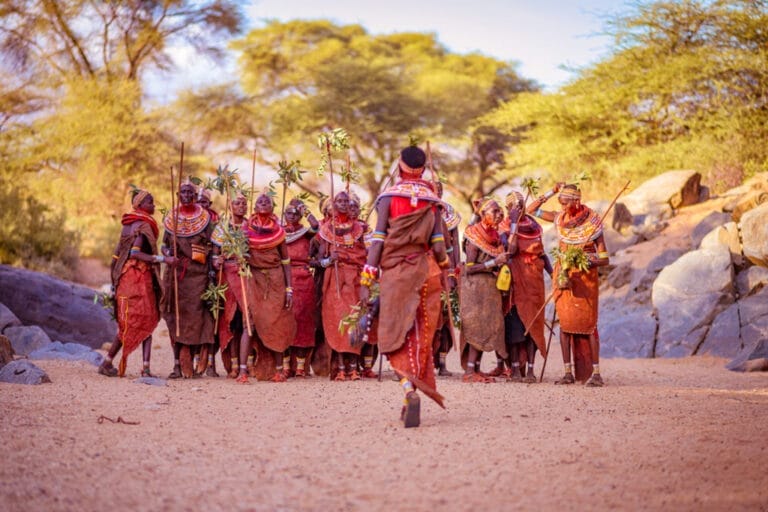
  • Ideal for Safaris that offer a deeper sense of place through community-led conservation and cultural heritage.

Explore this location.

Tsavo
  • National Reserve.
  • Tsavo is famous for its large elephant herds, often coated in the region’s iron-rich red soil, alongside lions, leopards, buffalo, giraffe, and diverse birdlife.
  • Expect varied scenery and a more adventurous safari experience.

Explore this location.

Aberdare National Park
  • National Reserve.
  • Mountain wilderness, forest sanctuary, and timeless highland beauty.
  • Elephants, buffaloes, black rhinos, leopards and  over 250 recorded species of bird.

Explore this location.

Amboseli & Selenkay Conservancy
  • National Reserve & Private Conservancy.
  • Iconic elephant herds with Kilimanjaro backdrop.
  • Private Conservancy offer off road, night drives and guided walks.

Explore this location.

Lewa Wildlife Conservancy
  • Private Conservancy.
  •  A 62,000-acre sanctuary in northern Kenya, offering exclusive wildlife experiences and community-led conservation.
  • Home to the Big Five, Grevy’s zebra, and over 400 bird species.

Explore this location.

Maasai Mara Eco-System
  • National Reserve & Private Conservancies.
  • World-famous for lions, cheetahs, and the Great Migration season.
  • Private Conservancies offer incredible wildlife density and fewer vehicles..

Explore this location.

Meru National Park
  • National Reserve & Private Conservancies.
  • Ideal for experienced safari travellers or those seeking a quieter, authentic experience.
  • Elephants, lions, leopards, rhinos, hippos, crocodiles.

Explore this location.

Nairobi National Park
  • National Reserve.
  • Only national park in the world located within a capital city, authentic experience.
  • Expect to see lions, cheetahs, leopards, hyenas, giraffes, rhinos, hippos, crocodiles and over 400 bird species.

Explore this location.

Ol Pejeta Conservancy
  • Private Conservancy.
  • Big Five game viewing with meaningful conservation initiatives.
  • Home to the last remaining northern white rhinos on the planet..

Explore this location.

Rift Valley Lakes
  • Among the most celebrated are Lakes Naivasha, Elmenteita, Nakuru, and Bogoria, all within a few hours’ drive of Nairobi, making them easily accessible yet dramatically diverse in character.
  • Ideal for birding with Lake Nakuru National Park and Lake Elementaita historically famous for flamingos, pelicans, and hundreds of migratory bird species.
  • Lake Nakuru National Park is one of Kenya’s most important protected areas for rhinos,

Explore this location.

Samburu
  • National Reserve & Private Conservancies.
  • Renowned for wildlife rarely seen elsewhere in Kenya, including Grevy’s zebra, reticulated giraffe, Beisa oryx, Somali ostrich, and gerenuk — species specially adapted to arid landscapes.
  • Ideal for Safaris that offer a deeper sense of place through community-led conservation and cultural heritage.

Explore this location.

Tsavo
  • National Reserve.
  • Tsavo is famous for its large elephant herds, often coated in the region’s iron-rich red soil, alongside lions, leopards, buffalo, giraffe, and diverse birdlife.
  • Expect varied scenery and a more adventurous safari experience.

Explore this location.

Not sure which Kenya safari location is right for your trip?

Our safari specialists are on hand to help design your perfect trip that fits your travel dates, interests and pace.

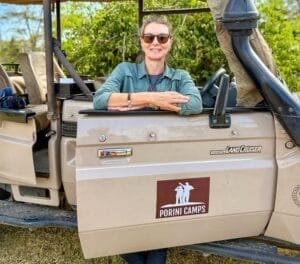
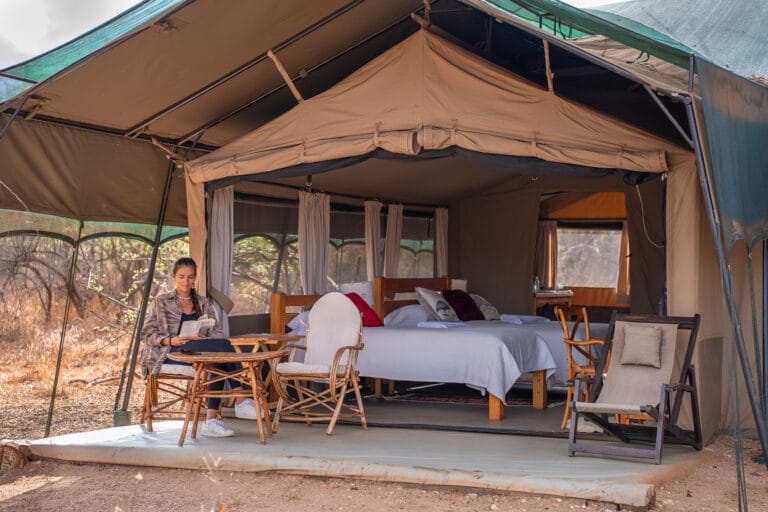
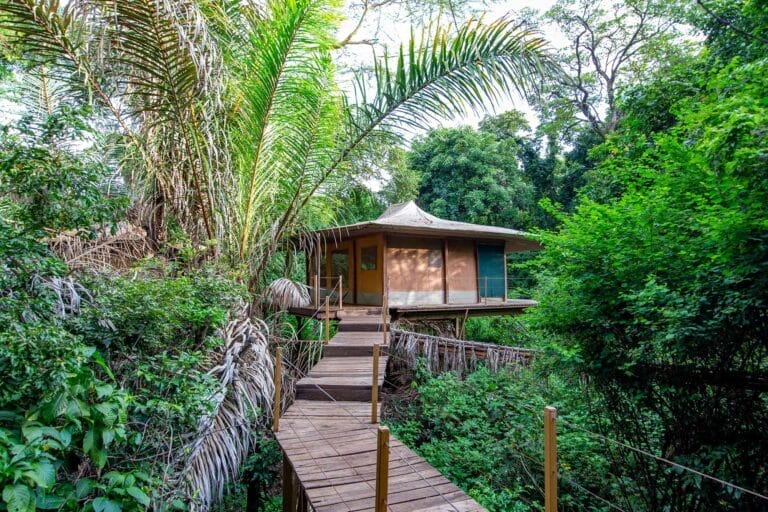
If you’re looking for something a little extra special when planning your safari adventure, then you’re in the right place. Our Porini Camps offer an unrivalled, private, eco-luxury experience tailored to the individual needs of your group.  You’ll stay in a small eco-safari camp with private en-suite tents, excellent food and all of the modern amenities you will need during your stay. 

Unlike Kenya national parks and game reserves, our private conservancies are designed to offer a quieter, more intimate setting. Think less people, less vehicles and less disturbances. Not only is this better for the local communities and wildlife, but the strict limit on cars allows us to be more flexible with our safaris, giving you more time and freedom to focus on what you love. Spend more time bird watching, tracking the big five or photographing the beautiful landscapes, at your own pace. 

Talk to a Specialist

Choose a Safari Specialist in your time zone and start planning your tailor-made safari to Kenya.

Talk to a Specialist

Choose a Safari Specialist in your time zone and start planning your tailor-made safari to Kenya.

FAQs - Kenya Parks, Reserves & Conservancies

Which are the best safari parks in Kenya?

Kenya is home to a vast array of national parks and reserves, each offering its own unique landscapes and wildlife experiences.

To see a wide variety of animals and scenery, we often recommend combining two or more parks. Private reserves and conservancies provide added benefits such as walking safaris, night game drives, and fewer other vehicles on the land, allowing for a more intimate experience with nature.

The best parks to visit also depend on the time of year and the wildlife you hope to see. That’s why it’s essential to speak with one of our Safari Specialists, who can advise on the ideal itinerary tailored to your interests and preferred destinations.

When is the best time to go on safari in Kenya?

Kenya is on the equator and is known as a “year round destination” which can be visited anytime.

The hottest months are late January to March while the coolest are July and August.

There are two rainy seasons, known as the “long rains”, a ten week period between April and early June and the “short rains” a six week period during November and early December. Global weather patterns are changing and sometimes the rains fail completely in some parts of Kenya and there is a period of drought or there may be heavy rains outside the normal rainy season. However when it rains it tends to be mainly at night or in the early morning which means there can still be sunny days in between.

Many safari camps close during May when the long rains are at their height, as the tracks and roads get muddy and it may not be possible for the camp vehicles to take visitors on game drives.

During the hot months of January to March conditions can often be dry and dusty and the animals may congregate near water-holes so that there is excellent wildlife viewing.

Just after the rainy seasons, in June or again in December, many of the animals have their young to co-incide with the better grazing from new grass following the rains.

The wildebeest migration moves into the Mara between July and September and this is when many visitors come to Kenya and the parks can get more crowded with tourist vehicles.

To sum up:
- January to March: Usually hot and dry and great for wildlife viewing.
- April-May:  Can be wet and muddy.  
- June:  Green and lush after the rains.
- Jul-August:  Cooler but good for the migration in the Mara.
- September-October: Good weather and good wildlife viewing.
- November-December: The short rains.

Ensure you bring some additional warm clothing for chilly early morning or evening game drives (fleece, sweater). Although Kenya is on the equator, you may be surprised at how VERY cold it can get at night and in the early morning, especially in the higher locations!

What wildlife can I expect to see in Kenya’s park & reserves?

Kenya is the perfect destination for a Big Five Wildlife Safari.

In most parks / conservancies you can normally guarantee that you will see the more common grazing animals such as buffalo, zebra, wildebeest, eland, giraffe, gazelles, impala and waterbuck.

In addition, the big cats (lions, leopards and cheetahs) are present in most parks, but are most easily seen in the Mara and the Mara Conservancies.

Elephants are best seen in Selenkay / Amboseli and Rhino are often sighted in Nairobi National Park, Ol Pejeta Conservancy and Lake Nakuru Park.

See this link for more information: What Animals Can I Expect To See?

How many national parks and reserves are there in Kenya?

Kenya protects over 40 national parks, reserves, and conservancies, ranging from savannah landscapes to coastal marine parks

What’s the difference between a national park and a wildlife reserve or conservancy?

National parks are state-managed protected areas with strict conservation rules, while reserves and conservancies are often managed by local communities, or private partners. Conservancies typically allow activities like guided walking safaris or night drives and often have lower visitor density.

Do I have to pay an entrance fee or charge to visit a national park or private conservancy in Kenya?

Yes. Entry fees vary by park and are separate to accommodation and vehicle charges, and are usually included in safari packages arranged through tour operators.

Many private Conservancies also have a nightly fee for guests to visit.

Can I combine different parks or conservancies on one safari?

Yes — combining parks gives you the richest experience, whether it’s big cats or migration in the Mara Eco-system, elephants with Kilimanjaro views in Amboseli, or exploring off the beaten track in Meru. Many travellers tailor multi-park itineraries for wildlife priorities. Speak to one of our safari specialists who can assist with expert advice and travel logistics.

View some of our Kenya Safaris for details on how you can combine multiple safari areas.

How To Make The Best Choice For Your Wildlife Safari in Kenya

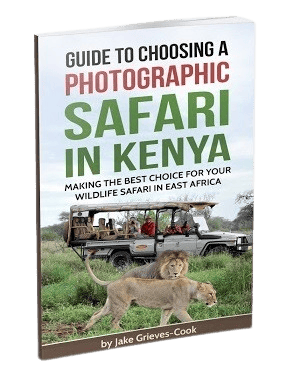
Don’t miss out on our free copy of our 36 page Guide to Choosing a Safari in Kenya.  A must-read before booking any safari tour to ensure you make the most of your time and budget and get the best possible experience.

How To Make The Best Choice For Your Wildlife Safari in Kenya

Don’t miss out on our free copy of our 36 page Guide to Choosing a Safari in Kenya.  A must-read before booking any safari tour to ensure you make the most of your time and budget and get the best possible experience.

How To Make The Best Choice For Your Wildlife Safari in Kenya

Don’t miss out on our free copy of our 36 page Guide to Choosing a Safari in Kenya.  A must-read before booking any safari tour to ensure you make the most of your time and budget and get the best possible experience.

Curating ultimate tailor-made safari experiences for 35 years