

Planning Your Safari

With such a wide variety of safari tours available,
these key considerations will help you to choose
the best options for your ideal safari holiday

Key Considerations:

  1. Accommodation - choosing where to stay - read more
  2. Parks & Reserves - how to have the best wildlife viewing - read more
  3. Choosing the Safari Transport - making the right choice - read more
  4. Safari Itineraries - finding the tour that suits you best - read more
  5. Expectations - useful advice from our safari experts - read more

Accommodation

accomodation imageMaking the right choice is an essential part of your safari experience.

Options range from large commercial lodges which are similar to hotels to mobile tented camping under the stars.

These are more exclusive, usually catering for less than 30 guests and offer impressive accommodation with higher standards of décor, service and cuisine. Prices are also higher and most guests arrive by air, flying in on light aircraft to avoid long journeys over bumpy roads. Guests are taken on game drives in 4x4 safari vehicles by driver-guides who know the area well.

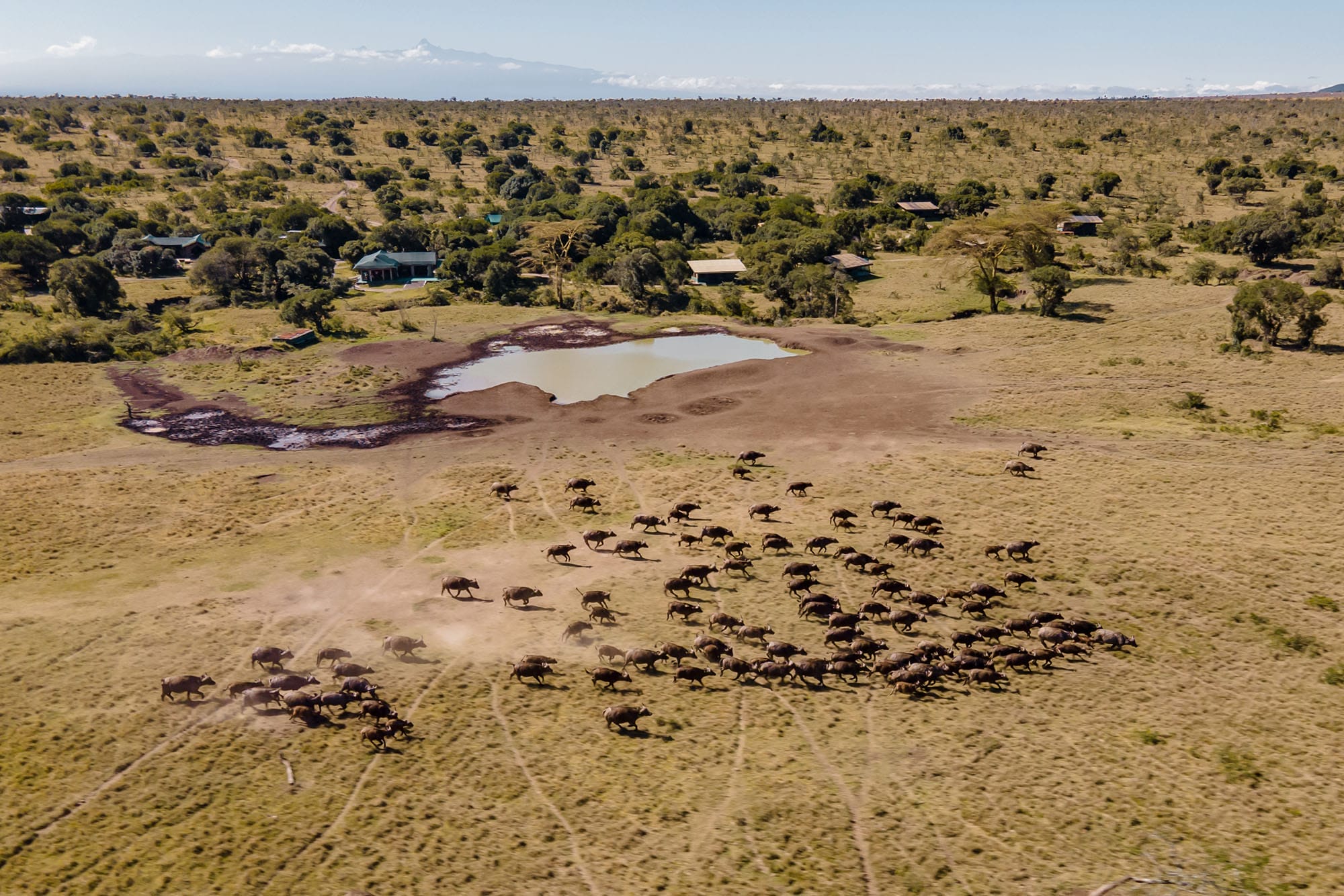
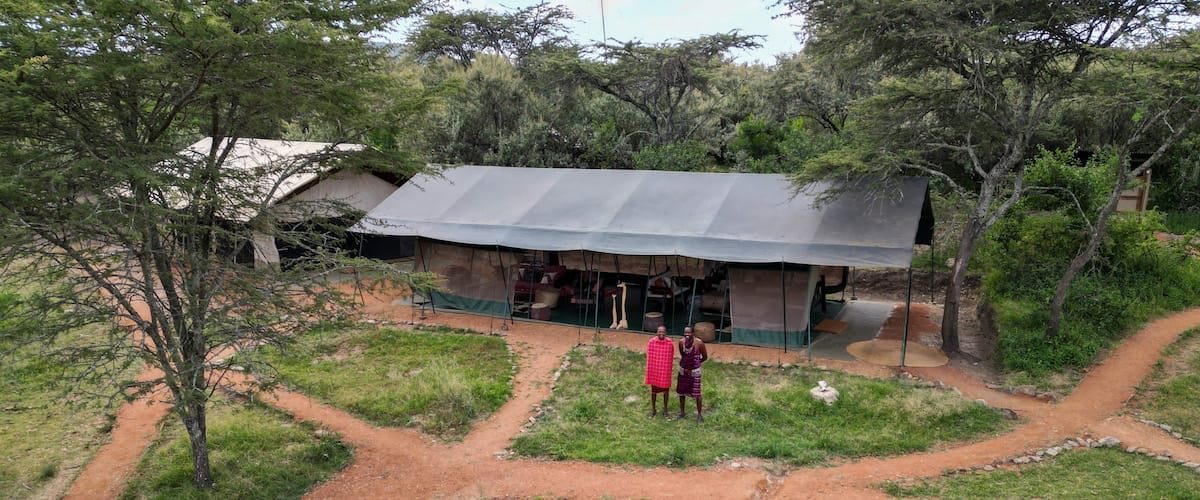
These camps are small and exclusive and designed to have minimal impact on the environment through eco-friendly design and operating systems while still offering comfortable accommodation and high standards of hospitality. The guest tents have proper beds and ensuite bathrooms with safari showers and flush toilets. They are ideal for guests who wish to get close to nature and to enjoy an authentic safari experience with excellent guides. Our own award-winning Porini Camps located in exclusive wildlife conservancies are a good example. The advantage of staying in a conservancy is that you have all the wildlife but few other tourist vehicles.

These are popular with the mass-market tour companies operating minibus tours by road and have the type of facilities expected of hotels, with bars, dining rooms, swimming pools. They usually accommodate over 100 guests and can be a little impersonal but offer a lower-priced option for those on a limited budget.

These camps accommodate up to 18 guests and feature accommodation in small 2-man dome tents. Each tent has its own adjoining bathroom cubicle with safari shower and flush toilet. It is "real camping" with sleeping bags on a mattress on the floor. The camps are designed to offer the same high quality wildlife viewing experience provided by the top-end safari camps, with 4x4 game viewing escorted by top class guides and in exclusive wildlife conservancies away from the tourist minibuses, but at a hugely reduced price. For those for whom the wildlife safari experience is more important than the accommodation, and who are prepared to sleep in small tents in sleeping bags with an element of "roughing it", this gives an opportunity for an exceptional wildlife experience which is more exclusive than with high quality guiding but at a fraction of the price.

If you would like to view our full collection of camps and lodges please click here.

Parks, Reserves and Conservancies

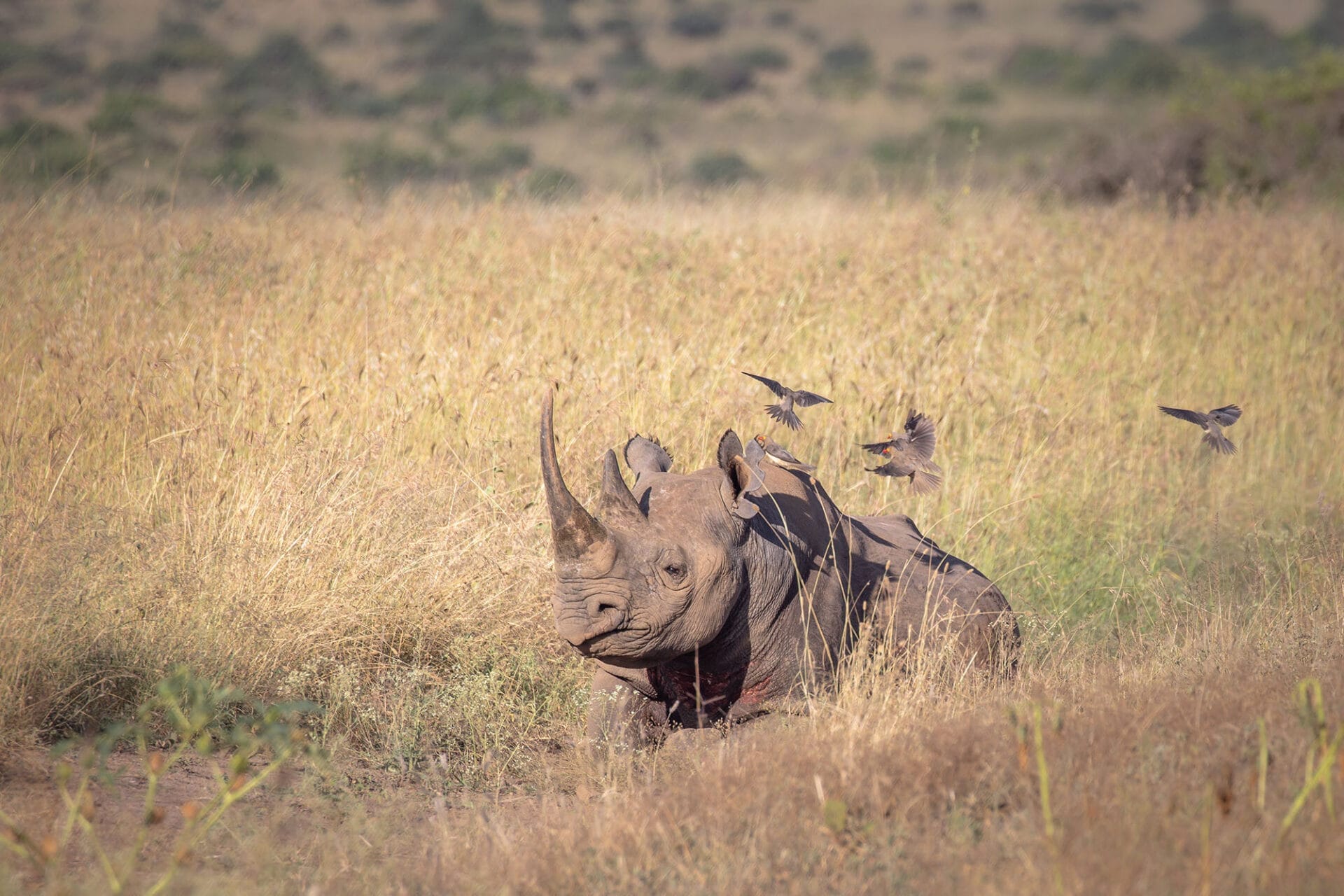
parks imageKenya is famous as the original safari country and has over 40 national parks, game reserves and wildlife conservancies where visitors can see a huge variety of wild animals roaming free in their natural habitat. Some of the best-known wildlife areas offering opportunities to see the biggest variety of animal species are Amboseli, Lake Nakuru, Samburu and Masai Mara, while others include Tsavo, Meru, Laikipia, the Aberdares and Mt Kenya.

What are the key differences? Click on the links below to find out what the major differences are between them.

The National Parks and Game Reserves have been set aside by the government for the protection of wildlife and are open to the public. Tourist numbers can be dense within the most popular parks and in the high season there are often a large number of visitors in any one day. It is not uncommon to share an animal sighting with several other tourist vehicles. There are also restrictions in place within some of the National Parks prohibiting open sided vehicles, walks and night game drives inside the park.

Recently wildlife conservancies have been set up on community-owned land adjacent to the parks. The conservancy concept was pioneered by Gamewatchers Safaris and is a form of sustainable tourism. The Conservancies which Gamewatchers is supporting are on large tracts of community owned land made up of individual parcels leased from the community landowners and set aside exclusively for wildlife adjacent to National Parks in areas which are unfenced. These Wildlife Conservancies provide additional habitat and a safe haven for the animals. The communities receive a guaranteed monthly income offering an alternative to farming and animal husbandry and also have opportunities for livelihoods, working in the camps and as Conservancy rangers. The conservancy is managed by a warden and rangers to protect the animals and virtually no poaching occurs as the community is invested in protecting the animals.

A conservancy safari offers a private and more exclusive safari experience away from masses of tourist vehicles. With a limit of only 1 tent per 700 acres, they have all the wildlife without the crowds!

TO SEE DETAILS OF THE WILDLIFE PARKS AND RESERVES in Kenya click here.

Transport during your Safari

transport imageThe type of transport which you choose for your travel between the parks and when you go out from the camps on "game drives" to see the wildlife has an important effect on your overall safari experience.

You can choose between driving from Nairobi to the parks which you are visiting on a road safari or flying in for an air safari or a mix of both.

These may be by a minibus which drives overland between the parks. A minibus tour can involve lengthy drives of over 4 hours in duration to get to the park and you will normally go on your game drives in the same vehicle and with the same driver. These are the type of safaris offered by the mass-market tour companies and are what the majority of visitors to Kenya do. The itineraries usually include stays at the bigger tourist lodges and are an option for people looking for the cheapest tours available. Often the itineraries try to cram in too many places and involve a lot of driving from place to place with not enough time available for viewing wildlife. While minibuses are fine for city transfers and for driving on the main highways they are not ideal for game-viewing on bush tracks in the parks and as an alternative we recommend up-grading to a 4x4 safari vehicle instead of a minibus.

We recommend flying to the parks from Nairobi to avoid long and arduous journeys driving for hours across the country on roads which are often in a poor state of repair and full of potholes. The standards of driving by other road users in East Africa can be alarming as some drivers of lorries and buses seem to be unfamiliar with any form of highway code and their vehicles often look very unroadworthy to visitors from overseas!

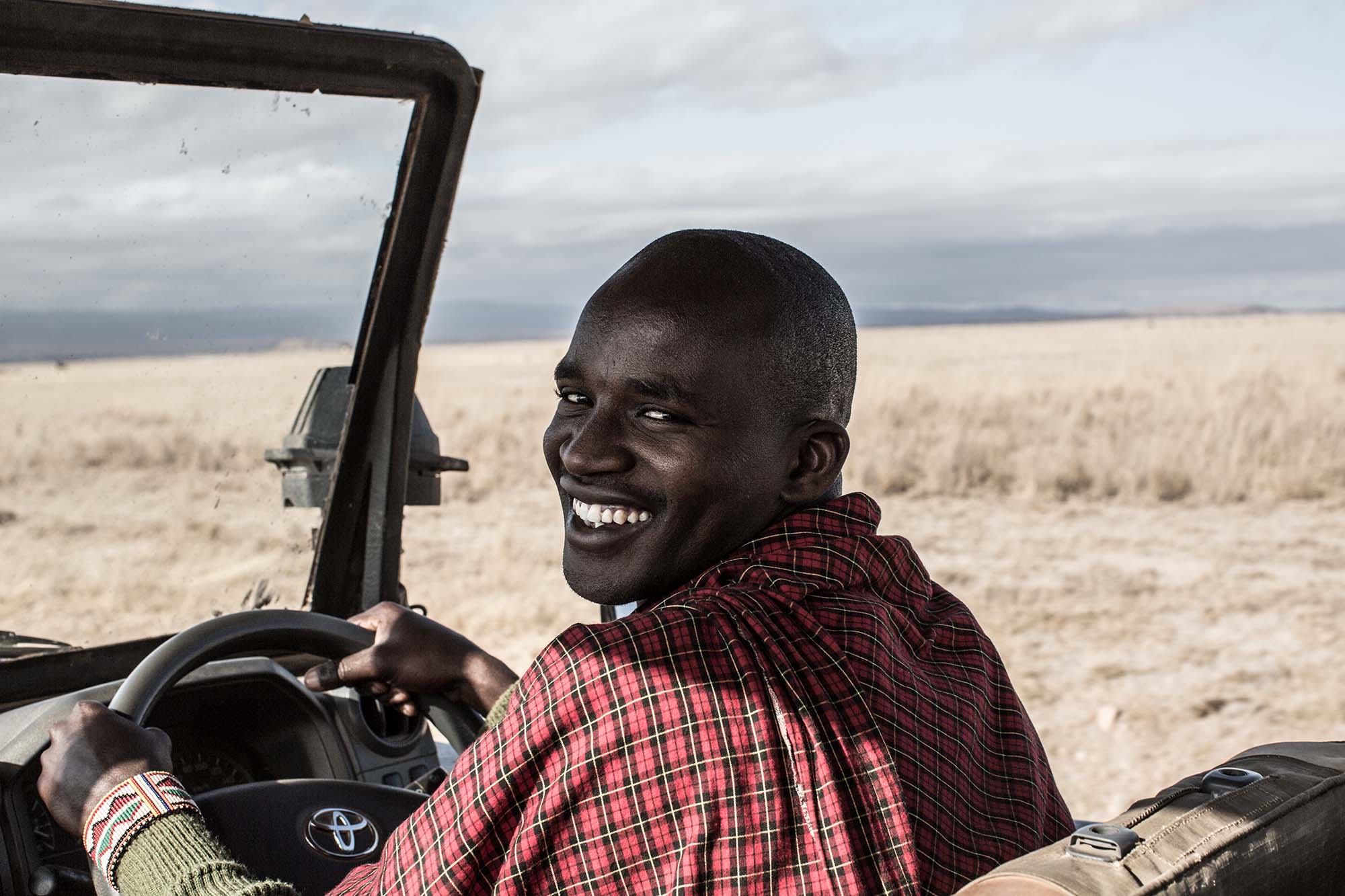
There are several high quality air charter companies in Kenya operating daily scheduled flights by light aircraft to the parks and reserves. As well as being a safer way to travel, flying means you do not waste half a day driving from one park to another and so you have more time for game-viewing. When you fly in to the parks you will be met at the airstrip by a vehicle from the camp where you are staying and you will go on game drives in the camp's 4x4 safari vehicle with a qualified and experienced driver-guide who knows the area far better than any visiting drivers and is familiar with the latest wildlife movements.

Safari Itineraries

transport imageWe offer a selection of safari itineraries from 2 days to 2 weeks and most of these can be tailored to your own requirements by adding additional nights. Our helpful Safari Consultants will be pleased to assist you in planning your ideal safari.

A choice of safaris to the Porini Camps in exclusive wildlife conservancies in some of Kenya’s best places for big game. Read more about our Porini Camps, or find out more information on our safari itineraries combining the Porini Camps.

To Kenya's leading wildlife camps and small luxury lodges. View our collection of Fly-in Safaris.

To the bigger tourist lodges and larger tented camps - for a lower-priced budget option. View our selection of safari tours.

For something a bit different, our collection includes birdwatching safaris, camping safaris and walking safaris. Read more about our Specialist Safaris

FAQs and Recommendations

expect imageWith such a bewildering array of information about safaris on websites, brochures and in the media, it can be quite daunting to decide on what is best for your own safari.

We have some General Travel Information on this website which we hope may be helpful: click here but we are also listing below some of the Frequently Asked Questions that we receive and our answers and Recommendations:

  • When you go on safari, do make sure that you allow enough time to stay at each of the lodges or camps so that you can go on several game drives to see the area and its wildlife. Avoid the temptation to try to cram in many different parks staying just one night in each place as this will mean you spend too much time travelling between the parks and do not have the chance to fully enjoy anywhere.
  • We always recommend flying in to the camps rather than travelling across country. The long road journeys between the parks can be exhausting and some of the routes have very bad stretches of road especially Nairobi to Mara. Spending half a day travelling on the pot-holed Kenyan roads, with all the overloaded lorries and buses, is more stressful than a short flight straight to the camp.
  • Make sure you each have your own pair of binoculars so that you can enjoy the best viewing of the wildlife and birds. If necessary you can buy a new pair at the Duty Free at your departure airport.
  • Do some reading to get a better appreciation of what is in store before you fly out to start your safari: see our Reading List.
  • If you arrive in Nairobi in the morning after an overnight flight, instead of travelling straight on safari consider having a night at Nairobi Tented Camp in Nairobi National Park, so that you can rest and take things easy after the flight but still do some game viewing on a safari in the park.
  • Book a safari which has game drives in a proper 4x4 safari vehicle in preference to a minibus (van). The vans are not ideal for driving on the rough tracks in the parks and reserves and can get stuck when roads are muddy. In the rainy season we often have to rescue other safari companies’ minibuses and pull them out of the mud!
  1. When is the best time to go?

    A: Kenya is on the equator and is known as a "year round destination" which can be visited anytime. The hottest months are late January to March while the coolest are July and August. It is probably best to try to avoid the two rainy seasons, known as "the long rains", a 10 week period between late March and early June and the "short rains" a six week period during November and December. Global weather patterns are changing and sometimes the rains fail completely in some parts of Kenya and there is a period of drought or there may be heavy rains outside the normal rainy season. However when it rains it tends to be mainly at night or in the early morning which means there can still be sunny days in between. Many safari camps close during May when the long rains are at their height, as the tracks and roads get muddy and it may not be possible for the camp vehicles to take visitors on game drives. During the hot months of January to March conditions can often be dry and dusty and the animals may congregate near water-holes so that there is excellent wildlife viewing. Just after the rainy seasons, in June or again in December, many of the animals have their young to co-incide with the better grazing from new grass following the rains. The wildebeest migration moves into the Mara between July and September and this is when many visitors come to Kenya and the parks can get more crowded with tourist vehicles. To sum up - January to March: usually hot and dry and great for wildlife viewing, April-May: can be wet and muddy, June: green and lush after the rains, Jul-August: cooler but good for the migration in the Mara, September-October: good weather and good wildlife viewing, November-December: the short rains. For climate temperature charts click here.

  2. Will there be lots of bugs and creepy-crawlies? Do we need to bring mosquito nets? And what about snakes?

    A: Many visitors are surprised to find that on safari there are often not as many bugs as there are in their home countries in summer and frequently they tell us that they did not even see a mosquito on safari! However this is Africa and there are certainly many tropical insects in the country but most are quite harmless to humans and some of them are actually very interesting! During the rainy season there are often more insects in evidence especially after a shower of rain. The lodges normally provide mosquito nets in the guest rooms but in the tented camps these are not needed if the tent is insect-proof with zipping doors and sewn in groundsheets. The important thing is to leave the lights switched off when you are out of the tent and always keep the doors zipped shut. Most people on safari do not even see an insect in their lodge room or in their tent. If you notice a gecko (small lizard) in your lodge room, these are common and absolutely harmless so they can just be ignored, especially as they eat mosquitoes and bugs. As for snakes, there are many species of snakes in East Africa, most of which are harmless to humans. Snakes are not often seen as they avoid being in the open where people are walking about and will almost always try to get away and to hide if they sense human footsteps approaching. Your guide may spot a snake and point it out from the safety of your vehicle when on a game drive but they are rarely seen in the grounds of the lodges or camps. If you do see a snake, do not approach it - simply give it a wide berth and tell your guide or a member of staff at the camp. If left alone at a safe distance, snakes do not pose a danger.

  3. What is the accommodation like on safari and do we need to bring sleeping bags?

    A The safari lodges have guest rooms similar to a hotel with en suite bathrooms. They are comfortably furnished with all the facilities normally associated with a 3 star hotel.

    The tented lodges have rooms which are tents on a platform and with a roof and also have an ensuite bathroom with flush toilets and hot and cold running water, like a hotel bathroom. However the safari lodges and bigger tented lodges can be more "touristy" and being larger establishments they can be a bit impersonal if you are travelling alone or as a couple. They suit those who prefer to have the infrastructure and facilities of a hotel and most have swimming pools and extensive grounds and gardens.

    The boutique lodges and camps can be very stylish and smart in terms of design and decor, often with very spacious rooms and even going so far in some cases as having plunge pools for each room.

    The eco-camps and smaller tented camps have insect-proof tents with ensuite bathrooms with a flush lavatory and a "safari shower". They give a more authentic safari experience but the tents are comfortably furnished with proper beds and you don't need to bring your own sleeping bag! The emphasis is usually on having excellent guides and great wildlife viewing away from the crowds. Guests often eat together and people travelling alone usually say that they found the atmosphere friendly and enjoyed meeting other like-minded travellers round the camp fire in the evening or at dinner.

    The Adventure Camps are a budget option with guests bringing their own sleeping bags and towels and accommodation is in small dome tents - you sleep on a mattress on the floor. Each tent has its own nearby cubicle with a flush lavatory and safari shower and wash basin. The Adventure Camp is suitable only for those who don't mind "real camping" and can put up with some degree of "roughing it". Apart from the accommodation in simple dome tents, the meals and the guiding are at the same standard as the higher quality camps and game drives are in 4x4 safari vehicles. For those on a limited budget the Adventure Camps are a good alternative to the big tourist lodges and minibus tours for those for whom the safari experience is more important than hotel accommodation.

Concerned about the security of your booking and your own safety while on safari?
We fully appreciate your concerns when it comes to booking a safari in Africa and you can rest assured that your financial security when booking and your own personal safety when on safari is our highest priority. Gamewatchers Safaris is a member of the Kenya Association of Tour Operators bonding scheme, backed by a leading insurance company, to ensure your payments are fully protected if a bonded KATO member ceases trading.
Sunset background image