This immersive 7 day safari takes you to three of Kenya’s most celebrated regions: Amboseli, Lake Nakuru, and the world-renowned Maasai Mara Eco-system. From close encounters with elephant herds beneath Mount Kilimanjaro, to spotting endangered rhinos in Lake Nakuru National Park, and tracking big cats on the golden plains of the Mara, you’ll experience the raw beauty and biodiversity that define an African safari.
Activities are varied and unforgettable: enjoy day and night game drives, guided bush walks with Maasai warriors, and game viewing in private conservancies and national parks. For those seeking an extra thrill, an optional hot air balloon safari over the Masai Mara—with a champagne breakfast upon landing—is the perfect way to take it all in.
This safari is ideal for those who want a well-rounded, ethical, and engaging wildlife experience—without the crowds, but with all the comfort.
Solo travelers staying at any of the Porini Camps will enjoy staying in a single tent at no additional cost (No Single Room Supplement charged).
Valid for stays between:
January 3rd to May 31st, 2026
November 1st to December 15th, 2026
Porini Camps Honeymooners Offer
Bride saves 50% when staying 4 or more nights at any Porini Camp.
Valid all year except in Aug & Sep when the discount is 25%.
*Proof of wedding required. Offer valid for stays within 12 months of wedding.
Add Extra Nights At Reduced Price
Add on extra nights to any two of the Porini Camps and get a reduced price. For a quote contact one of our Safari Specialists today!
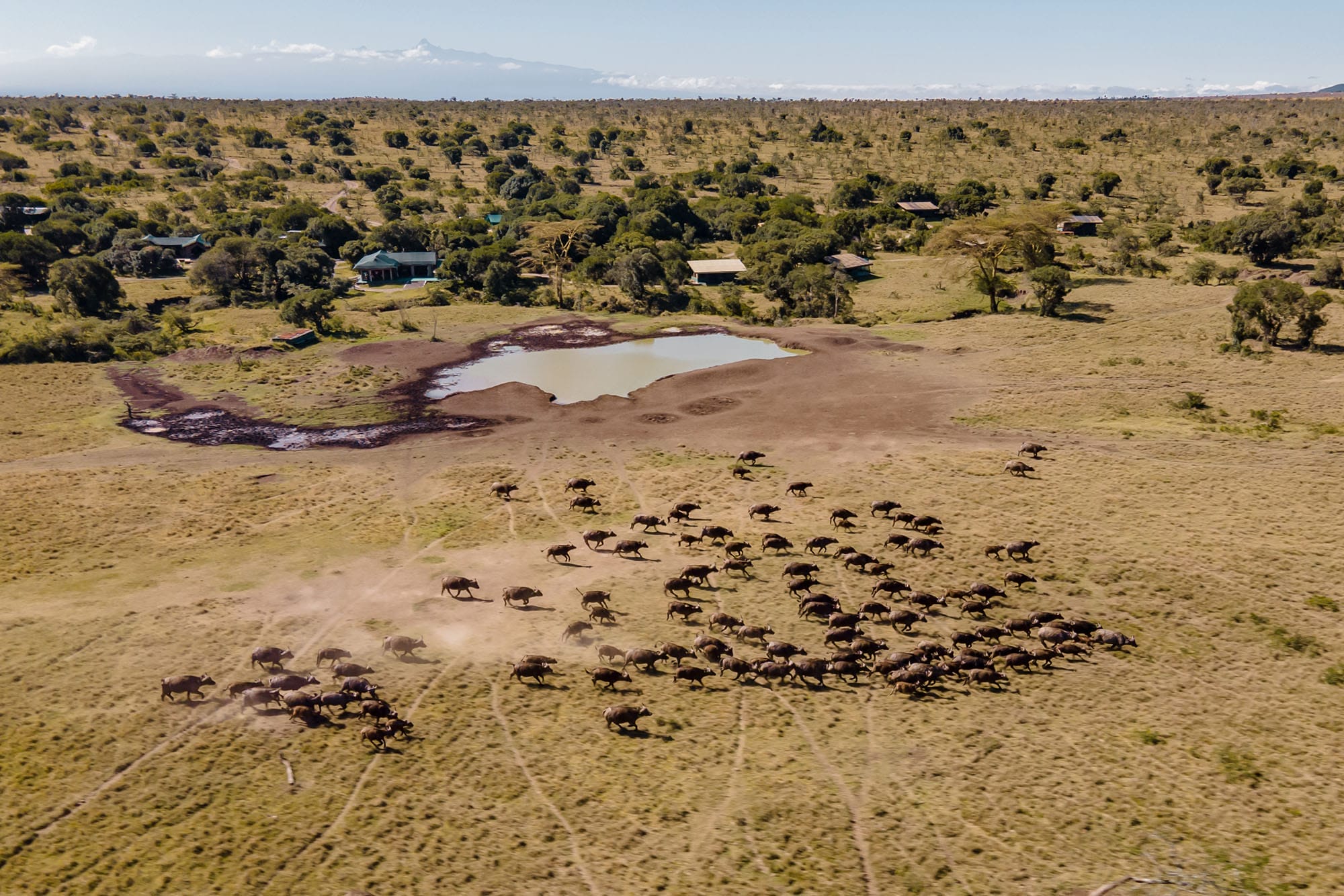
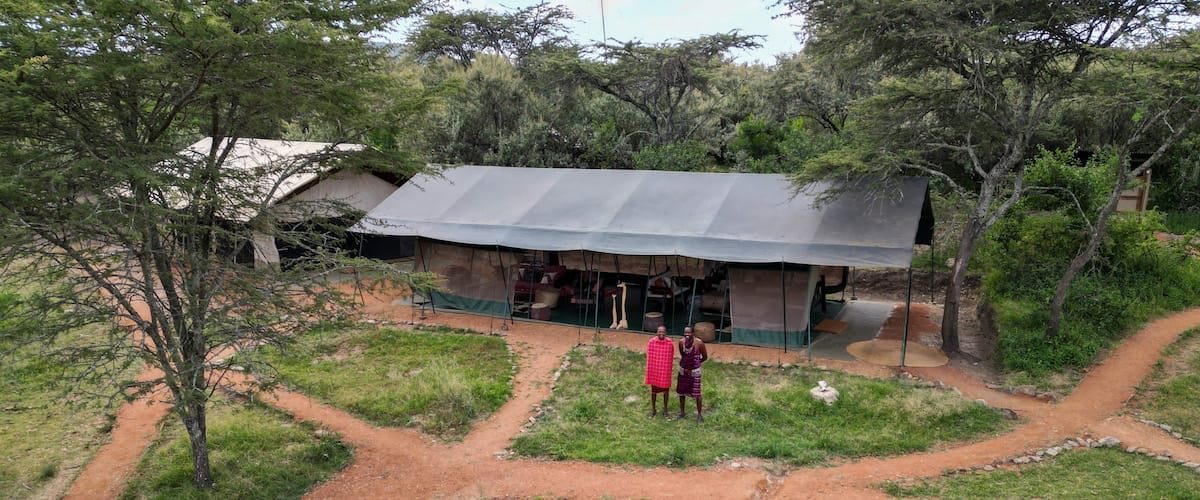
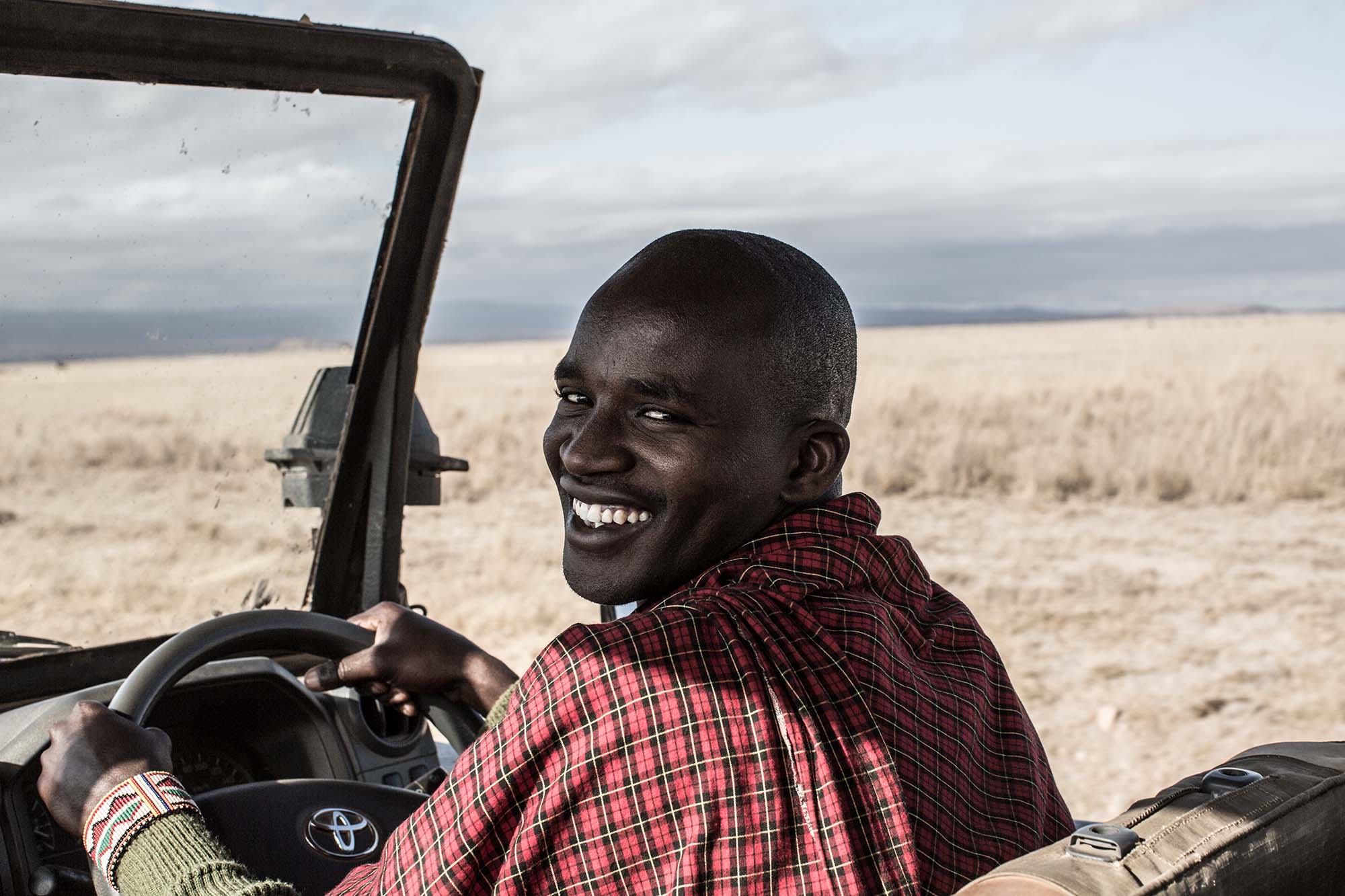
Depart Nairobi and drive south to Selenkay Conservation Area (a 4 hour journey of 102 miles), arriving at Porini Amboseli Camp before lunch. Afternoon tea, then you will be escorted on a walk by Maasai warriors to a village to get an insight into their fascinating culture and way of life. Return to Porini Amboseli Camp for a shower, dinner and overnight.
Day 2
Awake to the noisy calls of the birds. After an early breakfast, drive through the bush on our private track into Amboseli National Park, for a full morning of game viewing. Following picnic lunch in the park, return to Porini Amboseli Camp later in the afternoon. In the evening you will go on a game drive in Selenkay Conservancy, stopping for a sundowner at a scenic viewpoint, followed by a night game drive to look for nocturnal animals such as aardvarks, serval cats, caracals, bat-eared foxes, African wild cats, and other species. Return to Porini Amboseli Camp for dinner and overnight.
Day 3
Breakfast and then fly back to Wilson Airport, Nairobi arriving at 08.55h. Met on arrival and board our minibus safari vehicle and proceed by road to Lake Nakuru National Park arriving in the afternoon at Sarova Lion Hill Lodge, your home for 2 nights with all meals and overnight with its splendid views across the lake. After tea you will take a game drive with the opportunity to see a broad range of animals, including lion, leopard, both rhino species, buffalo, the Rothschild’s giraffe, zebra, impala and waterbuck. Dinner and overnight at Sarova Lion Hill Lodge.
Day 4
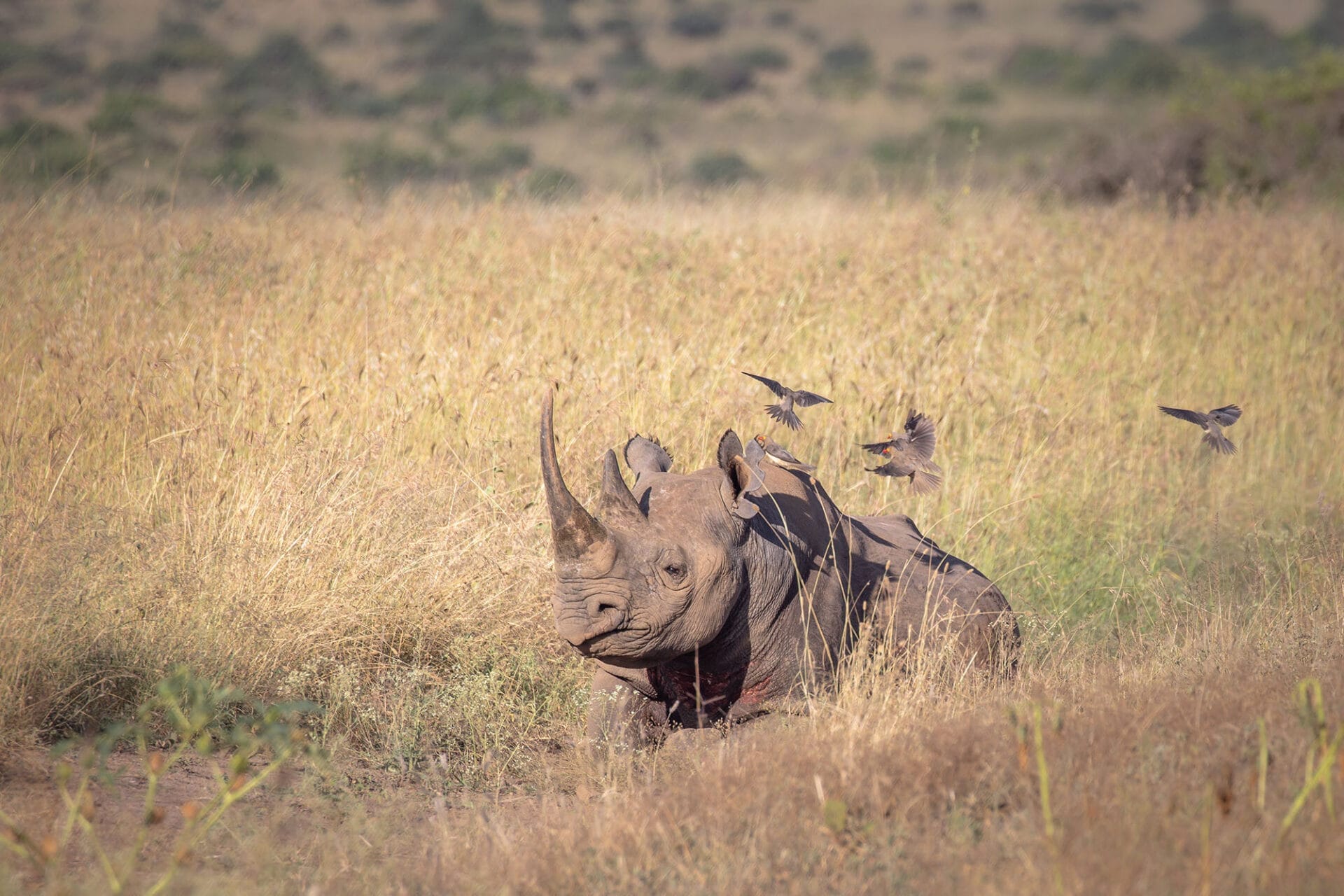
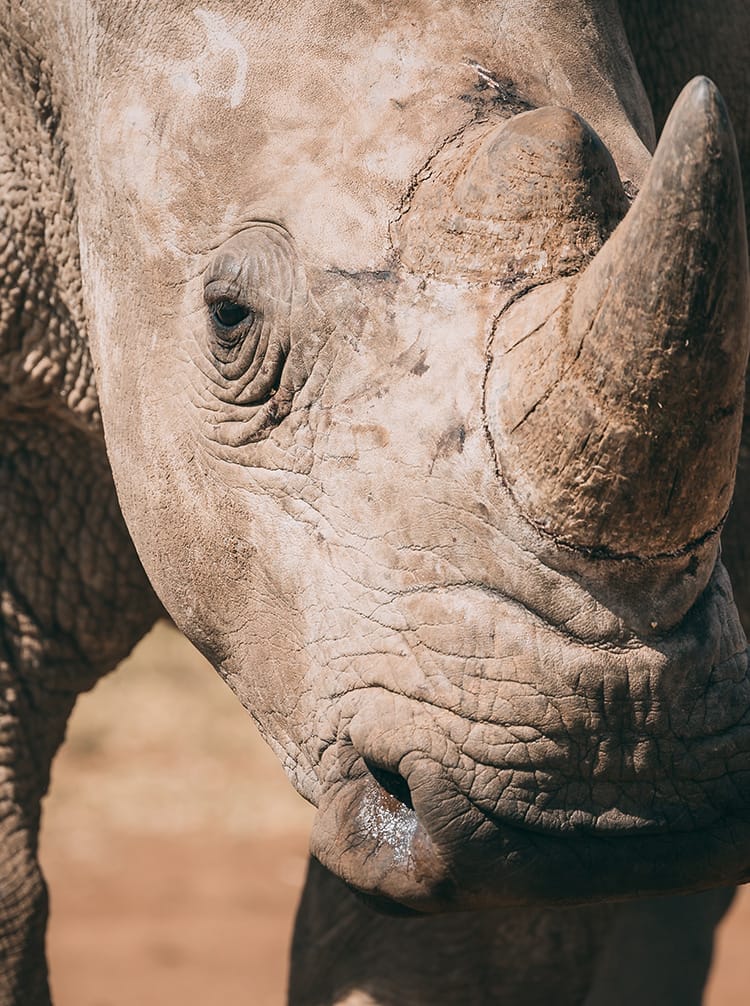
An early morning game drive before breakfast to try to find leopard, which are frequently sighted in Lake Nakuru National Park. Return to the lodge for breakfast. After breakfast you will take a further drive to seek out the 2 species of African rhino found in the park, returning before lunch. The afternoon is at your leisure, perhaps relaxing by the lodge swimming pool before an evening game drive in the park, return to Sarova Lion Hill Lodge for dinner and overnight.
Day 5
After breakfast you will drive to Lake Naivasha for lunch at Great Rift Valley Lodge then proceed Loldia Airstrip to board schedule flight departing at 10h15 to arrive Ol Seki Airstrip at 11h00 (in the low season, April and Nov-mid Dec, flight not operational. Clients to transfer back to Nairobi for afternoon flight to the Mara, depart 14h00 to arrive 14h45). Met and transferred to Porini Mara Camp for the next 2 nights where you stay on all inclusive basis. In the evening you will take game drive to explore the Ol Kinyei Conservancy and to seek out the wildlife for which the Mara is famous. Dinner and overnight at Porini Mara Camp.
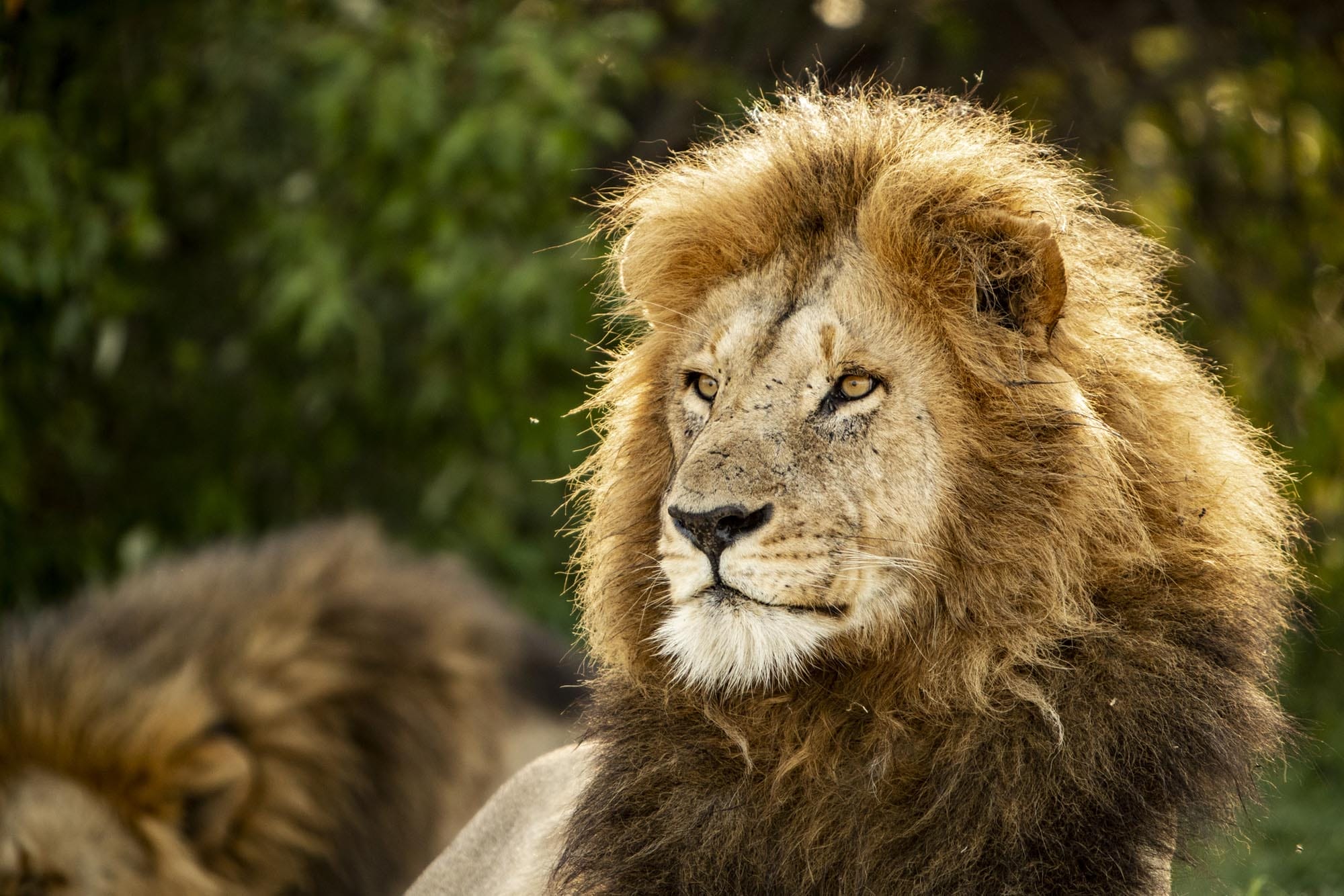
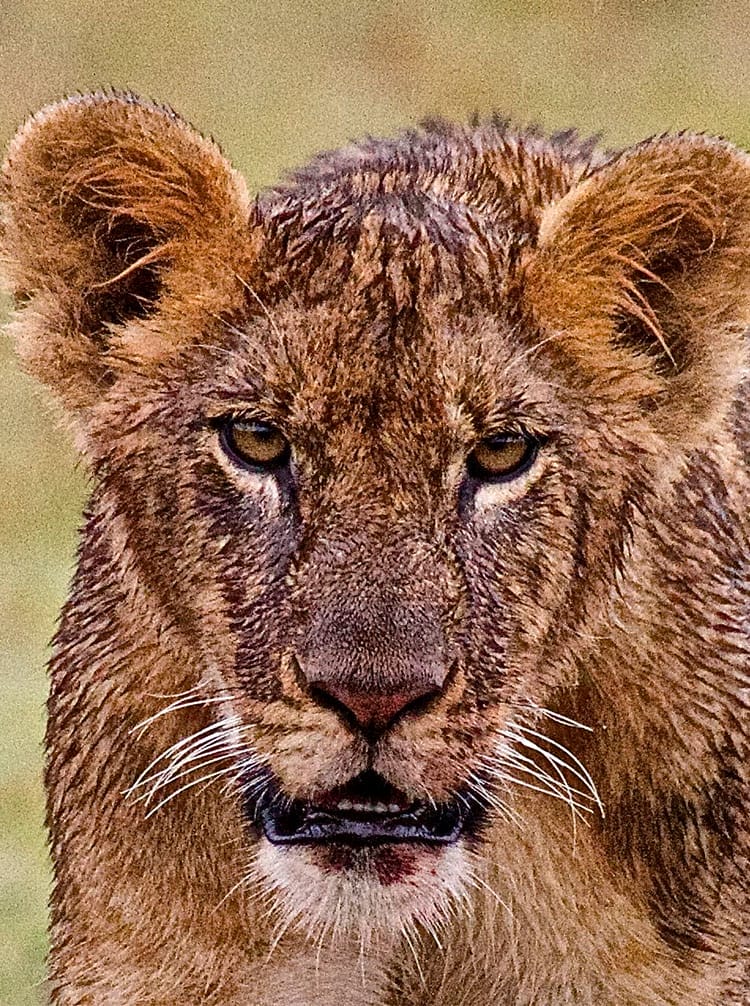
A full day in the Mara with picnic lunch (please note Mara Reserve Park fees included from 1st July to 30th September ONLY) or spend the day exploring the Ol Kinyei and Naboisho Conservancies, when you can expect to find lions as well as many of the other species found there, including leopard, cheetah, hyena, elephant, topi, eland, wildebeest, zebra, hippo and buffalo. All meals and overnight at Porini Mara Camp.
Day 7
Transfer to the airstrip late morning for the 11h00 flight back to Nairobi, arriving around 12h15.
Alternatively, opt to extend your stay for an additional night at Porini Mara Camp.
You may choose to add extra nights at any of the Porini Camps. Alternatively, consider extending your stay by flying to the Kenya Coast or the Island of Zanzibar, where you can unwind on the pristine white beaches of the Indian Ocean.
Depart Nairobi and drive south to Selenkay Conservation Area (a 4 hour journey of 102 miles), arriving at Porini Amboseli Camp before lunch. Afternoon tea, then you will be escorted on a walk by Maasai warriors to a village to get an insight into their fascinating culture and way of life. Return to Porini Amboseli Camp for a shower, dinner and overnight.
Day 2
Awake to the noisy calls of the birds. After an early breakfast, drive through the bush on our private track into Amboseli National Park, for a full morning of game viewing. Following picnic lunch in the park, return to Porini Amboseli Camp later in the afternoon. In the evening you will go on a game drive in Selenkay Conservancy, stopping for a sundowner at a scenic viewpoint, followed by a night game drive to look for nocturnal animals such as aardvarks, serval cats, caracals, bat-eared foxes, African wild cats, and other species. Return to Porini Amboseli Camp for dinner and overnight.
Day 3
Breakfast and then fly back to Wilson Airport, Nairobi arriving at 08.55h. Met on arrival and board our minibus safari vehicle and proceed by road to Lake Nakuru National Park arriving in the afternoon at Sarova Lion Hill Lodge, your home for 2 nights with all meals and overnight with its splendid views across the lake. After tea you will take a game drive with the opportunity to see a broad range of animals, including lion, leopard, both rhino species, buffalo, the Rothschild’s giraffe, zebra, impala and waterbuck. Dinner and overnight at Sarova Lion Hill Lodge.
Day 4
An early morning game drive before breakfast to try to find leopard, which are frequently sighted in Lake Nakuru National Park. Return to the lodge for breakfast. After breakfast you will take a further drive to seek out the 2 species of African rhino found in the park, returning before lunch. The afternoon is at your leisure, perhaps relaxing by the lodge swimming pool before an evening game drive in the park, return to Sarova Lion Hill Lodge for dinner and overnight.
Day 5
After breakfast you will drive to Lake Naivasha for lunch at Great Rift Valley Lodge then proceed Loldia Airstrip to board schedule flight departing at 10h15 to arrive Ol Seki Airstrip at 11h00 (in the low season, April and Nov-mid Dec, flight not operational. Clients to transfer back to Nairobi for afternoon flight to the Mara, depart 14h00 to arrive 14h45). Met and transferred to Porini Mara Camp for the next 2 nights where you stay on all inclusive basis. In the evening you will take game drive to explore the Ol Kinyei Conservancy and to seek out the wildlife for which the Mara is famous. Dinner and overnight at Porini Mara Camp.
A full day in the Mara with picnic lunch (please note Mara Reserve Park fees included from 1st July to 30th September ONLY) or spend the day exploring the Ol Kinyei and Naboisho Conservancies, when you can expect to find lions as well as many of the other species found there, including leopard, cheetah, hyena, elephant, topi, eland, wildebeest, zebra, hippo and buffalo. All meals and overnight at Porini Mara Camp.
Day 7
Transfer to the airstrip late morning for the 11h00 flight back to Nairobi, arriving around 12h15.
Alternatively, opt to extend your stay for an additional night at Porini Mara Camp.
You may choose to add extra nights at any of the Porini Camps. Alternatively, consider extending your stay by flying to the Kenya Coast or the Island of Zanzibar, where you can unwind on the pristine white beaches of the Indian Ocean.
In our commitment to excellence, we not only strive to exceed our clients’ expectations but also value their feedback. We are proud to present our latest clients’ feedback from Gamewatchers Safaris Clients posted on Trip Advisor.
What Our Clients Say About Us...
In our commitment to excellence, we not only strive to exceed our clients’ expectations but also value their feedback. We are proud to present our latest clients’ feedback from Gamewatchers Safaris clients posted on Trip Advisor.
             Posted on         Sayak Ghosh  17 January 2026   Verified A well curated vacation into Kenya
Gamewatchers are to be commended for their professionalism and attention to details. I travelled with my mother to Kenya, it was the first trip to Africa for the both of us, and Gamewatchers took very good care of us. The local point of contact in India, Mr. Chandra, was wonderful and helped us throughout. No request was turned down. The whole trip was curated as per our liking. I would definitely recommend Gamewatchers.         Posted on         Eric A  16 January 2026   Verified Always fantastic...third time customer not finished yet.
I have used Gamewatchers for my Kenyan safaris three times now and can not see any reason to use anyone else. My experience with them has always been excellent. The experience of staying in tented camps really allows one to become emersed in the land and wildlife of Kenya. Always a special time when I'm in the Porini Camps of Gamewatchers.         Posted on         Christine M  12 January 2026   Verified Amazing safari
We had an exceptional holiday. Seen huge amounts of animals, with very knowledgible guides answering all our questions. Staff were wonderful, meals great. Loved every minute. Want to go again         Posted on         nicolelK9025UD  11 January 2026   Verified Best Safari Experience
Planning this trip was very easy with the help of my advisor, Rachel. She was the best. Super friendly, always quick to answer all of my questions and concerns. I really wanted an eco-friendly camp, who gives back to the local community and limits the number of tours and people that have access to the area. This delivered in all areas. Camps were beautiful, staff were amazing, safaris were incredible. We loved every minute. I've thought of nothing else since my return. I miss it every day and can't wait until I return.         Posted on         Sherry H  11 January 2026   Verified Highly Recommended!
I would definitely go with Gamewatchers again on my next trip to Africa! Everyone did a great job and we're very kind to us.         Posted on         Luis  11 January 2026   Verified Excellent
We live in Kenya and have experienced many safaris over the years, and Porini Cheetah Camp remains among the very best. We are repeat guests.What sets it apart is the privacy, the warm, personal welcome from the hosts, and the exceptional quality of the game drives. The conservancy setting allows for uncrowded, respectful wildlife viewing, and the lodge is particularly ideal for lion sightings.         Posted on         Curious26898020636  11 January 2026   Verified Perfect African safari adventure
A perfect combination of luxury tented camps, experienced and friendly staff and guides, extraordinary animal sightings. All in the most beautiful and dramatic settings. A truly amazing African safari experience.         Posted on         Doria R  4 January 2026   Verified Great Solo experience
Amazing all amazing seen many animals and i love the tented accommodations. The food was also very good they give you so much food lol. I loved rhino and mara camp the most. Giraffe did not see the animals I wanted to maybe was just off time but the rhino camp and mara amazing the mangers at all the camps treated me very well im going back to other camps next nov and i can't wait to see Craig the super tusker ;-) he's 54 so i need see him my fav are the Elephants so amboseli is known for that. I love porini camps great food and g n ts at sundown was all nice.         Posted on         Ak J  4 December 2025   Verified Top drawer service and personalised safari.
We had the pleasure of using game watchers to book our safari at Porini Cheetah Camp which was exceptional. However what was also exceptional was the service we received from Wayne in the gamewatchers team. Thorough, quick and responsive to our needs and sorted everything from the room, flights and transfers seamlessly.I would highly recommend using game watchers to anyone that wants eco friendly, ethical and personalised safaris.         Posted on         Robert S  25 November 2025   Verified Great Experience
Wayne Hammond and the Gamewatchers team organized and delivered a wonderful safari for our family. Wayne was responsive and gave great advice leading up to the trip and the team on the ground was first rate. It is hard to find the right company to narrow in on the right price and pacing -- they did it very well. Rob
Talk to a Specialist
Choose a Safari Specialist in your time zone and start planning your tailor-made safari to Kenya.
Talk to a Specialist
Choose a Safari Specialist in your time zone and start planning your tailor-made safari to Kenya.
More Safaris Combining Porini Camps
A selection of safari itineraries offering combinations of the award winning Porini Camps for the best game viewing. With locations in Amboseli, Ol Pejeta and the Maasai Mara you can ensure the best wildlife viewing experience in exclusive wildlife conservancies away from the crowds.