The Okavango Delta
The Okavango Delta is one of the world’s largest inland water systems. It’s headwaters start in Angola’s western highlands, with numerous tributaries joining to form the Cubango river, which then flows through Namibia (called the Kavango) and finally enters Botswana, where it is then called the Okavango.
Millions of years ago the Okavango river use to flow into a large inland lake called Lake Makgadikgadi (now Makgadikgadi Pans). Tectonic activity and faulting interrupted the flow of the river causing it to backup and form what is now the Okavango delta. This has created a unique system of water ways that now supports a vast array of animal and plant life that would have otherwise been a dry Kalahari savanna.
The delta’s floods are fed from the Angolan rains, which start in October and finish sometime in April. The floods only cross the border between Botswana and Namibia in December and will only reach the bottom end of the delta (Maun) sometime in July.
Taking almost nine months from the source to the bottom. This slow meandering pace of the flood is due to the lack of drop in elevation, which drops a little more than 60 metres over a distance of 450 kilometres. The delta’s water deadends in the Kalahari – via the Botetle river, with over 95 per cent of the water eventually evaporating.
During the peak of the flooding the delta’s area can expand to over 16,000 square kilometres, shrinking to less than 9,000 square kilometres in the low period. As the water travels through the delta, the wildlife starts to move back into the region. The areas surrounding the delta are beginning to try out (the rains in Botswana occur approximately the same time as in Angola) and the wildlife starts to congregate on the edge of the newly flooded areas, May through October.
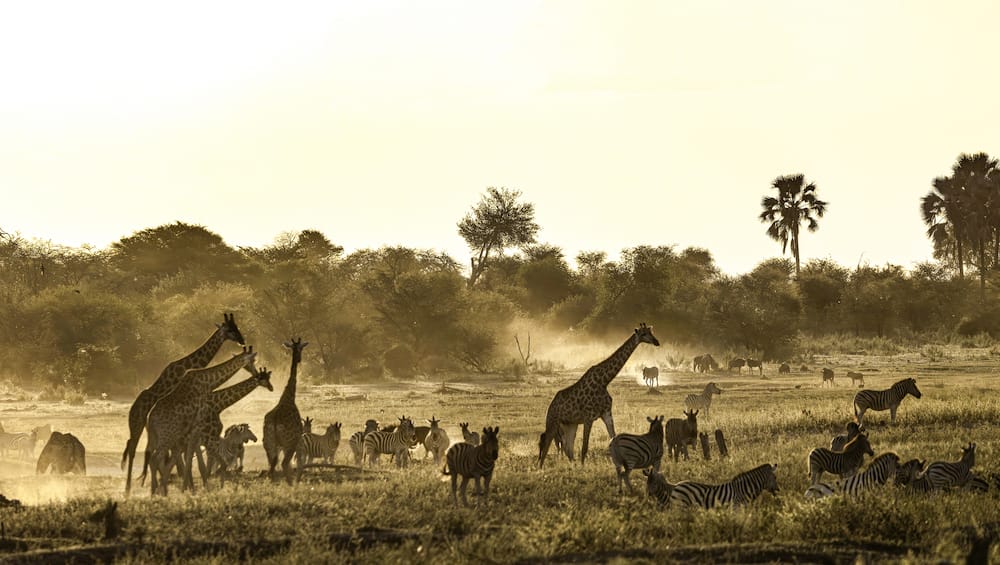
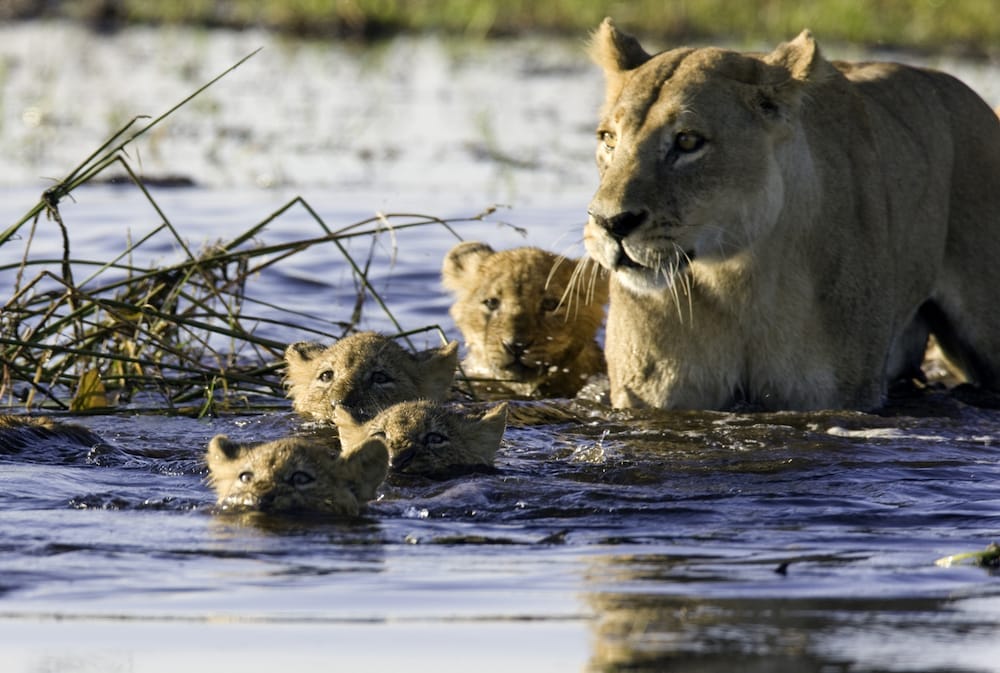
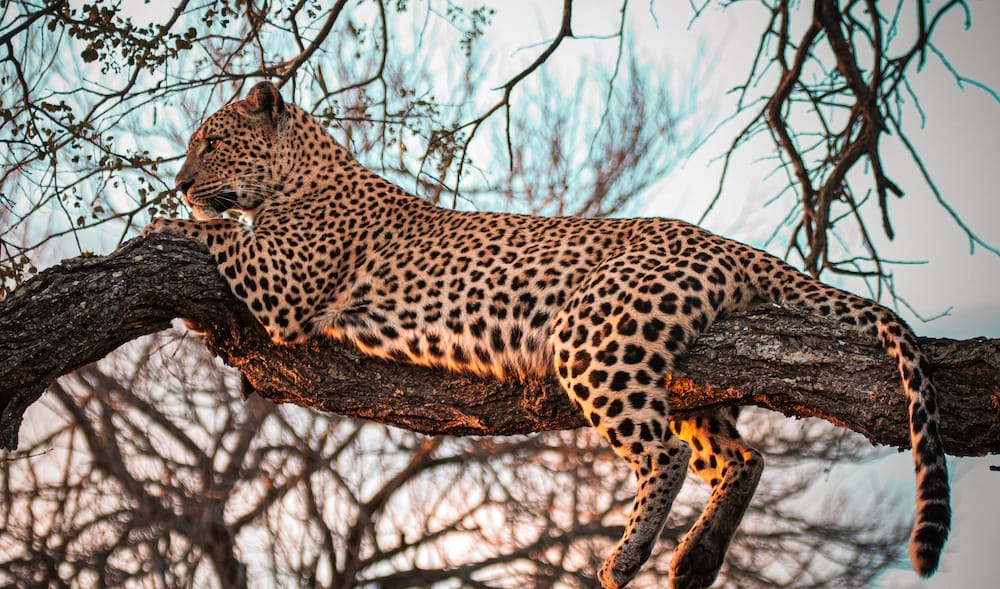
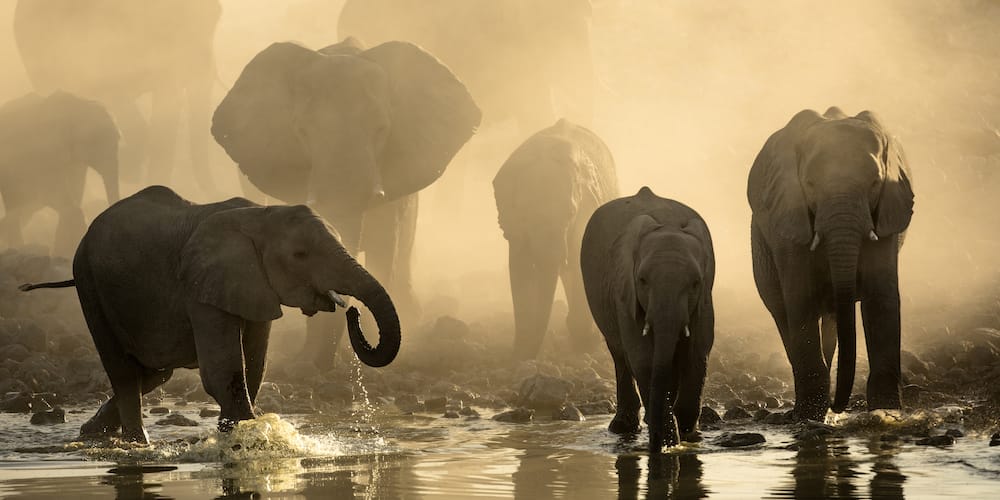
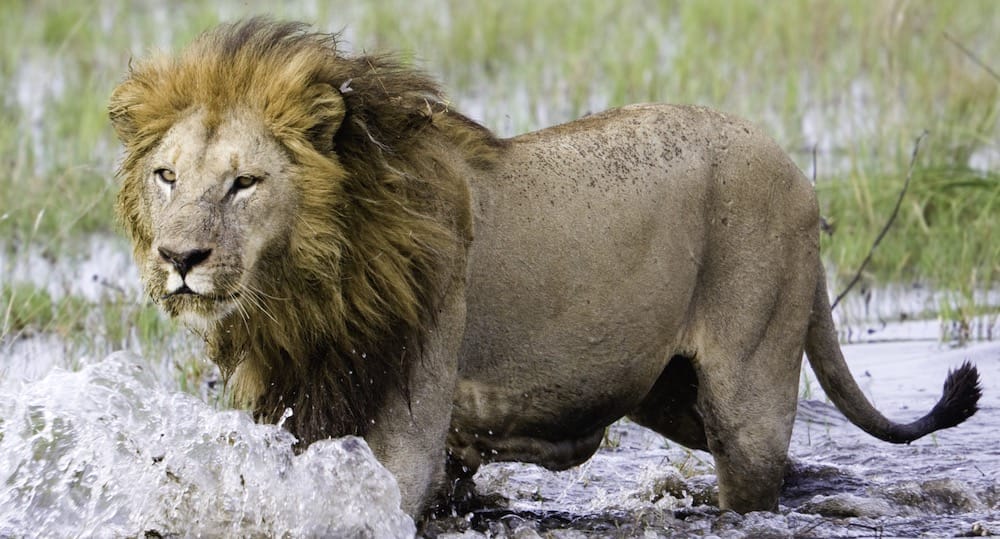
The delta environment has large numbers of animal populations that are otherwise rare, such as crocodile, red lechwe, sitatunga, elephant, wild dogs, buffalo, wattled crane as well as the other more common mammals and bird life.
The best time for game viewing in the delta is during the May-October period, as the animal life is concentrated along the flooded areas and the vegetation has dried out.
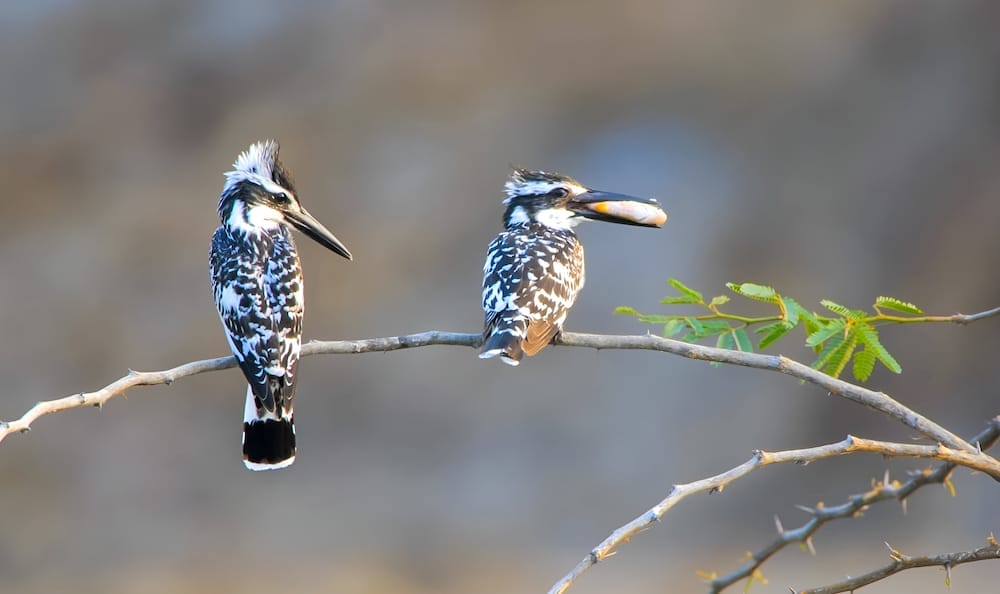
The best time for birding and vegetation is during the rainy season (Nov.- April) as the migrant bird populations are returning and the plants are flowering and green.
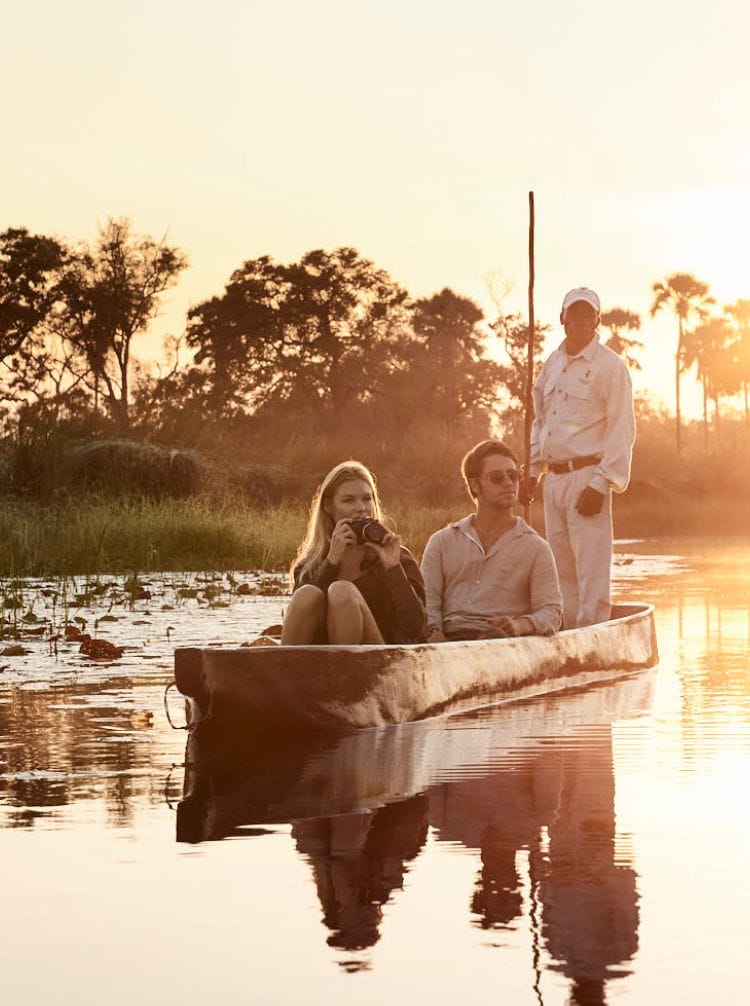
Safari activities by water are the primary speciality of the Okavango – the mokoro – a dug out canoe which is ‘poled’ along by your Guide is the most evocative way of exploring the numerous waterways. Motor launches travel on the main waterways and lagoons.
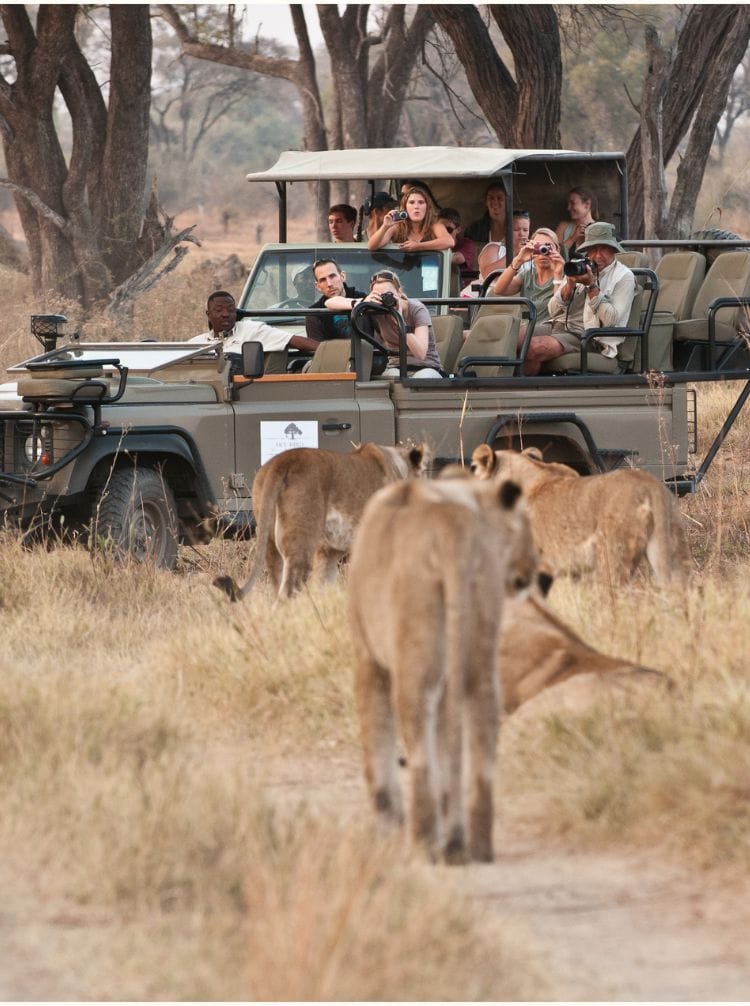
Traditional 4×4 Game viewing vehicles are used on the main islands, with night drives available in the private concession areas – not allowed within the National Park.
Walking Safaris are available from most Camps and Lodges – perhaps the most exciting way of viewing Game – stalking and tracking wildlife with an expert Guide.
Game Viewing flights are available by both light aircraft and helicopter, but hot air ballooning is not allowed.
Perhaps the most marvelous way of exploring the Okavango is on the back of an Elephant.
The delta’s floods are fed from the Angolan rains, which start in October and finish sometime in April. The floods only cross the border between Botswana and Namibia in December and will only reach the bottom end of the delta (Maun) sometime in July.
Taking almost nine months from the source to the bottom. This slow meandering pace of the flood is due to the lack of drop in elevation, which drops a little more than 60 metres over a distance of 450 kilometres. The delta’s water deadends in the Kalahari – via the Botetle river, with over 95 per cent of the water eventually evaporating.
During the peak of the flooding the delta’s area can expand to over 16,000 square kilometres, shrinking to less than 9,000 square kilometres in the low period. As the water travels through the delta, the wildlife starts to move back into the region. The areas surrounding the delta are beginning to try out (the rains in Botswana occur approximately the same time as in Angola) and the wildlife starts to congregate on the edge of the newly flooded areas, May through October.
The delta environment has large numbers of animal populations that are otherwise rare, such as crocodile, red lechwe, sitatunga, elephant, wild dogs, buffalo, wattled crane as well as the other more common mammals and bird life.
The best time for game viewing in the delta is during the May-October period, as the animal life is concentrated along the flooded areas and the vegetation has dried out.
The best time for birding and vegetation is during the rainy season (Nov.- April) as the migrant bird populations are returning and the plants are flowering and green.
Safari activities by water are the primary speciality of the Okavango – the mokoro – a dug out canoe which is ‘poled’ along by your Guide is the most evocative way of exploring the numerous waterways. Motor launches travel on the main waterways and lagoons.
Traditional 4×4 Game viewing vehicles are used on the main islands, with night drives available in the private concession areas – not allowed within the National Park.
Walking Safaris are available from most Camps and Lodges – perhaps the most exciting way of viewing Game – stalking and tracking wildlife with an expert Guide.
Game Viewing flights are available by both light aircraft and helicopter, but hot air ballooning is not allowed.
Perhaps the most marvelous way of exploring the Okavango is on the back of an Elephant.
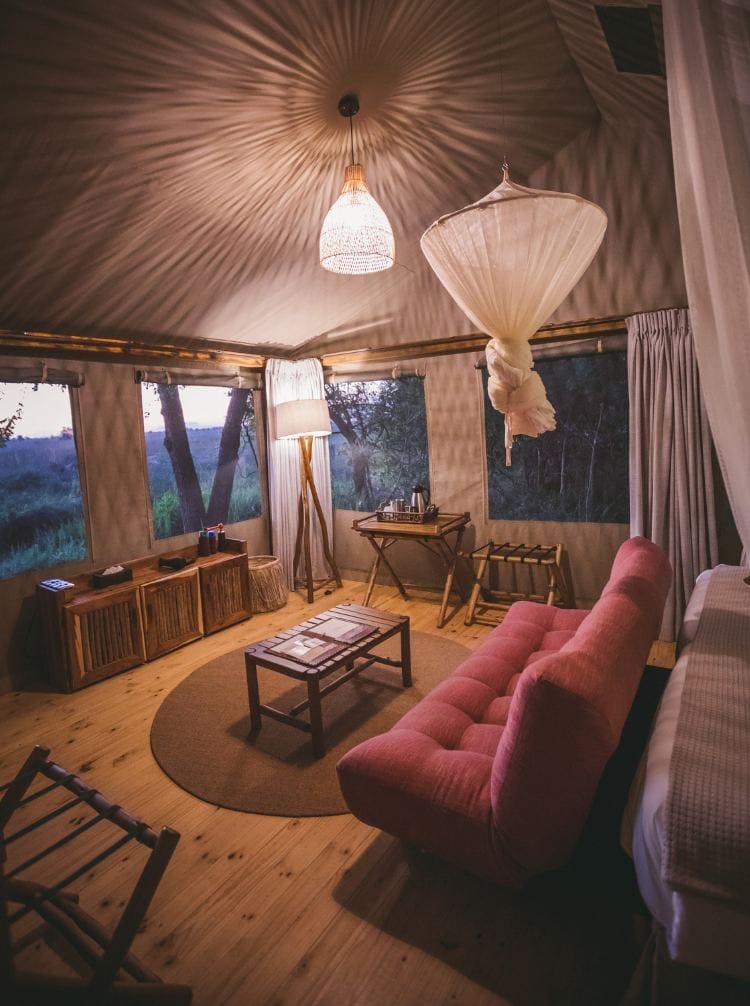
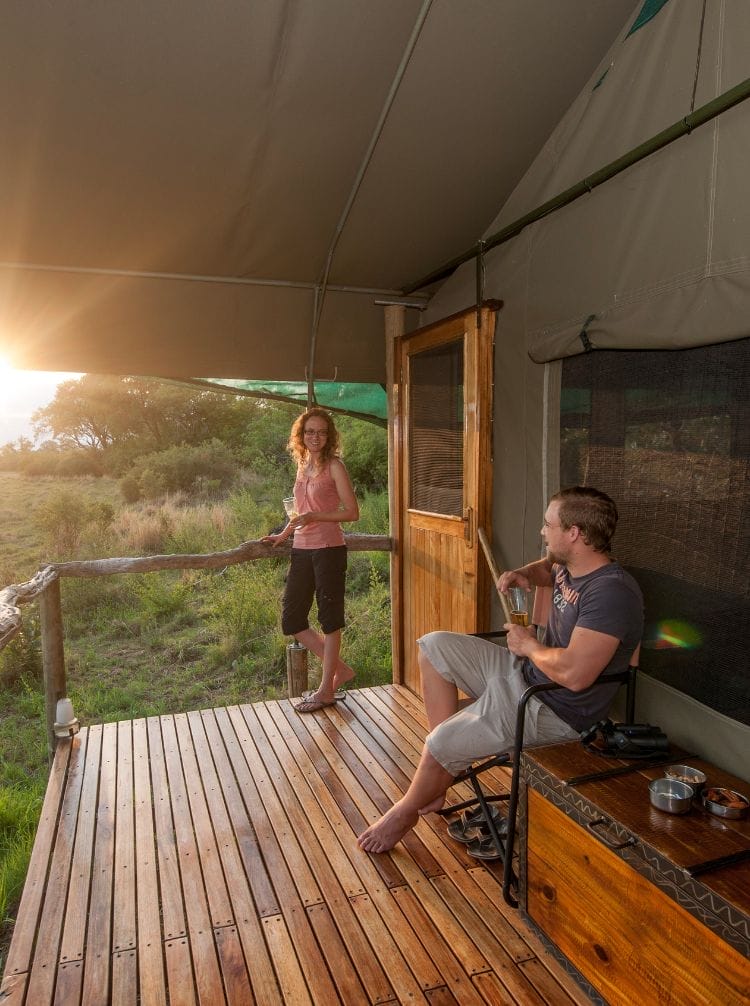
Okavango Delta Accommodation
Talk to a Specialist
Choose a Safari Specialist in your time zone and start planning your tailor-made safari to Botswana.
Rick McIntyre
Hello, I'm Rick, based in Ontario, Canada, with over 15 years in the travel industry and a passport filled with stamps from over 70 countries. My heart was captured by Africa during my first visit to Kenya, and since then, I've journeyed back repeatedly, exploring the diverse landscapes and wildlife of Kenya, Tanzania, Rwanda, Zambia, Zimbabwe, Botswana, Namibia, and South Africa. Whether you're dreaming of a "once in a lifetime" vacation or you're a seasoned safari traveler, I'm here to assist in planning your perfect African adventure.
You can contact me at rick@gamewatchers.com or give me a call at +1-877-710-3014.

Rachel Chambers
Rachel Chambers
Hi, I’m Rae, based on the West Coast of Canada, on beautiful Vancouver Island. I’m a passionate traveler who has explored nearly 30 countries, but it was a solo journey to Africa that truly transformed my perspective. From the moment I arrived in Botswana, I felt an undeniable connection to the continent and was inspired to spend more time experiencing its extraordinary wildlife, breathtaking landscapes, and rich cultures. My solo travels have since taken me through Zimbabwe, Zambia, Mauritius, South Africa, Uganda, Namibia, and Kenya, where I experienced Gamewatchers Safaris and Porini Camps firsthand. It was during these immersive and unforgettable journeys that my passion for Africa evolved into a clear vision: to join the Gamewatchers team and help others discover the magic of safari. I’d love to connect and plan your wildest dreams!
You can contact me at rae@gamewatchers.com

Julie Roggow
Julie Roggow
Greetings, I'm Julie Roggow, and I come to you with over two decades of immersion in the world of travel. My journey into the heart of safari adventures began as I traversed Kenya, Uganda, Tanzania, Rwanda, Botswana, Zimbabwe, and South Africa, capturing the essence of these mesmerizing landscapes through my lens. Among these remarkable destinations, Kenya and the Porini safari camps hold a special place in my heart. Their unique blend of wilderness and conservation resonates deeply with me.
My passion for travel is matched only by my dedication to sharing that passion with others. I'm here to ensure that planning your safari vacation is an enjoyable and seamless experience.
Feel free to reach out to me by email at julie@gamewatchers.com or through our toll-free telephone line at +1-877-710-3014.
Tom Mees
Jambo, I’m Tommy Mees, most people call me Tom. My connection with Africa began through years of travelling across the continent. I later spent more than twelve years managing safari camps and lodges while supporting conservation initiatives including beekeeping and tree-planting projects. Having travelled extensively throughout Eastern and Southern Africa, I developed a deep appreciation for authentic wilderness experiences and the conservation-focused approach of the Porini Camps. Alongside my safari background, I am also a professional photographer and enjoy helping travellers experience and capture the extraordinary wildlife, landscapes and cultures that make Africa so special.
I am originally from Belgium and now based in Spain, though my heart has always remained in Africa. If you are considering an African safari, feel free to contact me at tom@gamewatchers.com
Andrea Landaeta
Hola, I’m Andrea and my love affair with the captivating world of safaris began during my teenage years when I embarked on my very first safari in Kenya. There, amidst the awe-inspiring wildlife and expansive plains, I found my true passion. Over the years, Kenya has called me back time and time again, leading me to explore its myriad camps, conservancies, and renowned parks. More recently, I've had the privilege of staying at all the Porini Camps, where the spotlight shines on wildlife conservation—a cause close to my heart as I traverse the globe. While Kenya holds a special place in my wanderlust-filled heart, Tanzania, Uganda, and Rwanda have also woven their magic into my soul. If you're eager to embark on your own safari adventure or share your passion for conservation, please feel free to contact me at andrea@saririterra.com
Let's connect and embark on a journey through Africa's wild wonders together.
Pranay Chandra
Hello, I’m Pranay Chandra, a veteran of the Indian Armed Forces whose profound passion for nature and wildlife led me to the world of wildlife photography. My lens has captured the essence of the wild, earning recognition in esteemed competitions like the Sanctuary Asia annual wildlife awards and the Natural History Museum’s Wildlife Photographer of the Year awards. Beyond photography, I’ve dedicated myself to conservation efforts, collaborating with Ecological Task Forces and supporting WWF India’s training initiatives in tiger reserves. In the realm of education, I’ve partnered with CEC, New Delhi, to create informative video programs on Human-Wildlife Conflicts. I’ve ventured to Kenya, embracing the splendours of Africa while staying at Porini camps and other renowned lodges.
You can connect with me via email at pranay@gamewatchers.com or by phone at +91 801 788 5256
Kristy Thomson
I’m Kristy Thomson, your Australia-based Safari Expert, with 25 years in wildlife conservation and a deep love for Kenya’s landscapes, wildlife, and communities. I specialise in authentic, conservation-focused safaris across East and Southern Africa, creating experiences you’ll never forget.
With hands-on knowledge of Kenya’s private conservancies, National Parks, Porini Camps, and like-minded properties, I’ll help you plan your ultimate safari adventure. I also lead our small-group safaris — Porini with Purpose and Maarifa Kusudi — which are a guaranteed way to immerse yourself in Kenyan culture while getting behind-the-scenes insights into the wildlife and wild places we explore. Every Porini safari I plan supports local conservancies and the people who protect them. Feel free to reach out to me on the Gold Coast, Australia, at kristy@gamewatchers.com or call +61 419 175 672