Skip to content

Tarangire National Park

Tarangire National Park covers an area of 2,600 sq kms (1,000 sq miles) with its park like country, acacia woodlands, ancient baobabs, open bush, plains, swamps and rivers and stands of palm trees. This very diverse range of vegetation attracts many animals and birdlife During the dry season the Tarangire river is the only permanent water source attracting high concentrations of wildlife.

Read More

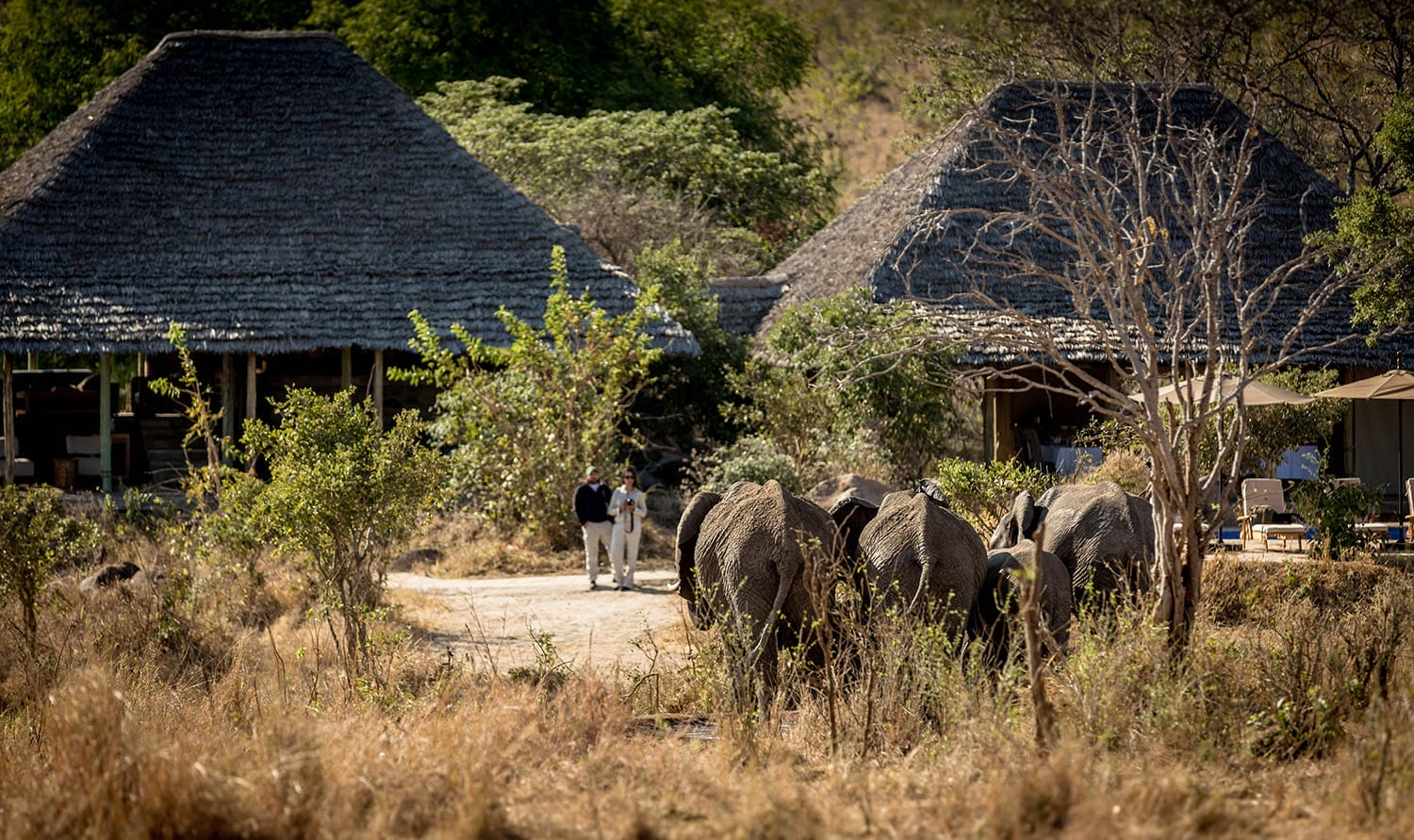
Herds of up to 300 elephants scratch the dry river bed for underground streams, while migratory wildebeest, zebra, buffalo, impala, gazelle, hartebeest and eland crowd the shrinking lagoons. It’s the greatest concentration of wildlife outside the Serengeti ecosystem – a smorgasbord for predators – and the one place in Tanzania where dry-country antelope such as the stately fringe-eared oryx and peculiar long-necked gerenuk are regularly observed.

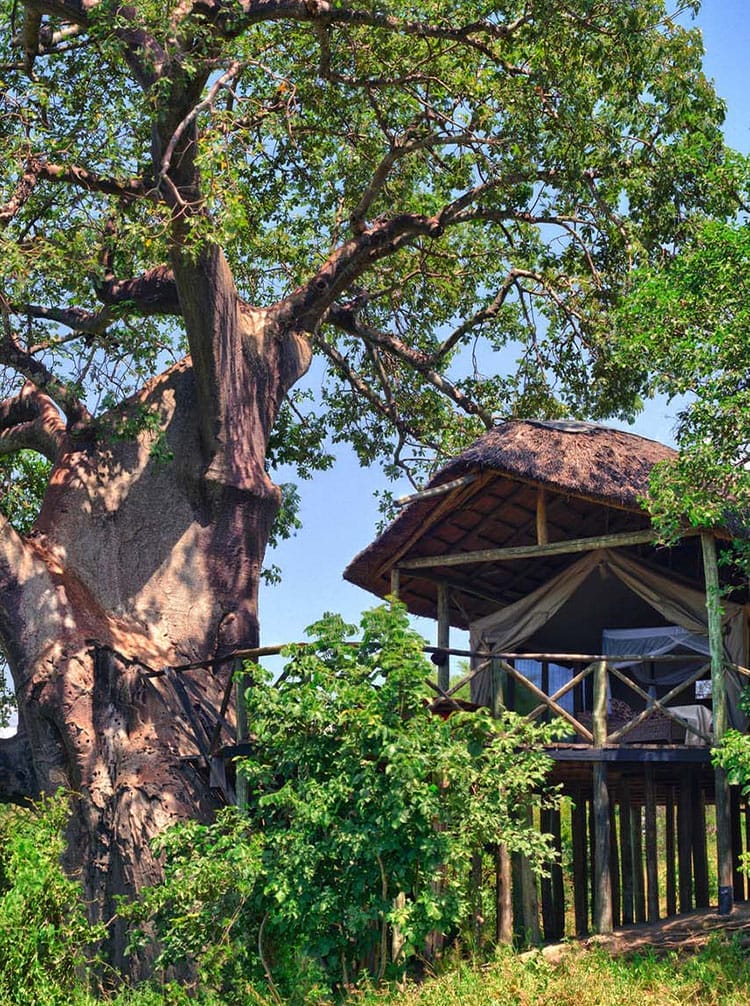
Tarangire Park is also known for its baobab “forests” – giant trees believed to survive for several centuries. One tree was carbon dated to be over 3,000 years old. Practically every part of the tree can be used. Leaves, fruit, flowers, seeds and roots all have medicinal properties. The hollow trunk is used by the hornbill to build its nests. And some trees are used as water reservoirs. The trees fibrous bark is used for making ropes and mats and cloth by man and a source of nutrition by elephants. In the heat of the day family groupings of elephant gather under the shade of these magnificent trees.

The wet season is usually mid March through June with many parts of the park inaccessible but it is worth the journey especially for birdwatchers. The swamps, tinged green year round, are the focus for 550 bird varieties, the most breeding species in one habitat anywhere in the world.

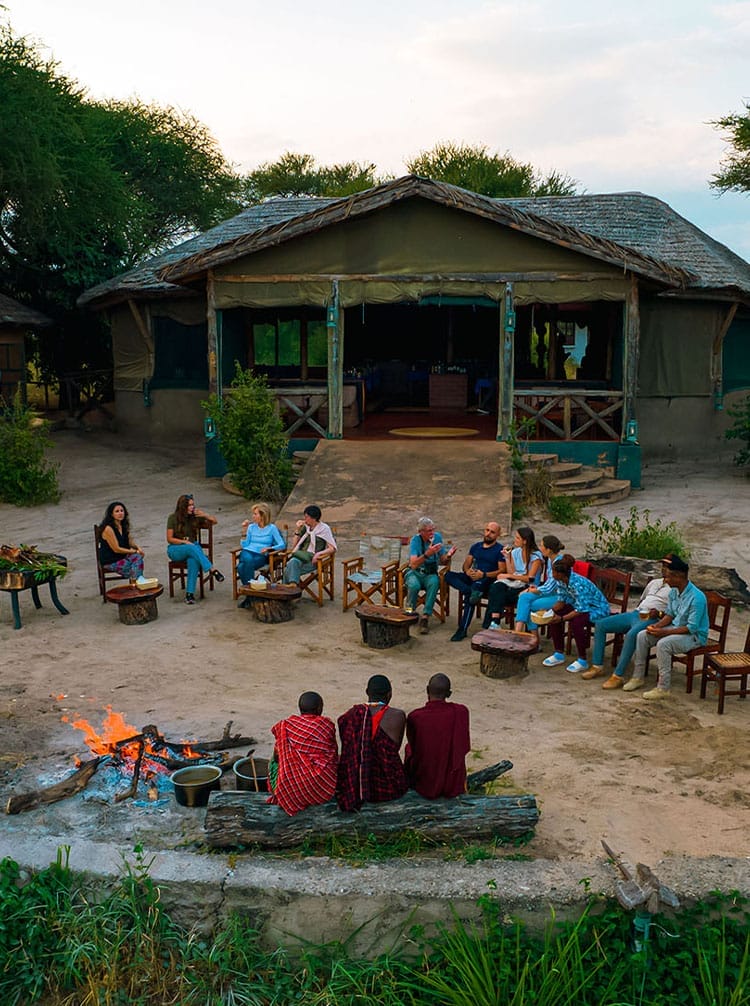
Accommodation in permanent tented camps and lodges is available within the park and just outside the park boundaries.

The park lies 118 kms (75miles) south west of Arusha and is easily reached by road from Arusha or Manyara. There is an airstrip which is serviced by private charter flights.

A Taste of Tarangire National Park

Talk to a Specialist

Choose a Safari Specialist in your time zone and start planning your tailor-made safari to Tanzania.

Talk to a Specialist

Choose a Safari Specialist in your time zone and start planning your tailor-made safari to Tanzania.

FAQs — Tarangire National Park

Where is Tarangire National Park located?

Tarangire National Park is located in northern Tanzania, southwest of Arusha. It forms part of Tanzania’s Northern Safari Circuit alongside Serengeti National Park, Ngorongoro Crater and Lake Manyara National Park.

What is Tarangire National Park best known for?

Tarangire is best known for its large elephant herds, dramatic baobab tree landscapes and seasonal wildlife migrations. During the dry season many animals gather along the Tarangire River, creating excellent wildlife viewing opportunities.

When is the best time to visit Tarangire National Park?

The best wildlife viewing in Tarangire is during the dry season from June to October when animals concentrate around the Tarangire River. The green season from November to May offers lush scenery, migratory birds and fewer visitors.

What animals can you see in Tarangire National Park?

Tarangire is home to large populations of elephants, giraffes, zebras, wildebeest, buffalo and various antelope species. Predators such as lions, leopards and cheetahs are also present, along with more than 500 species of birds.

How many days should you spend in Tarangire National Park?

Most visitors spend at least two nights in Tarangire National Park. This allows time to explore the park’s river systems, baobab landscapes and wildlife-rich areas while combining the visit with other destinations in Tanzania’s Northern Safari Circuit.

What’s included in your all-inclusive safari holidays to Tarangire?

Everything you will need! At a glance, here are some of the key things we offer:

  • Exciting game drives with the option of private-use vehicles to ensure your family gets close to Africa’s wildlife, with plenty of opportunities for all ages to learn and observe.
  • Night drives
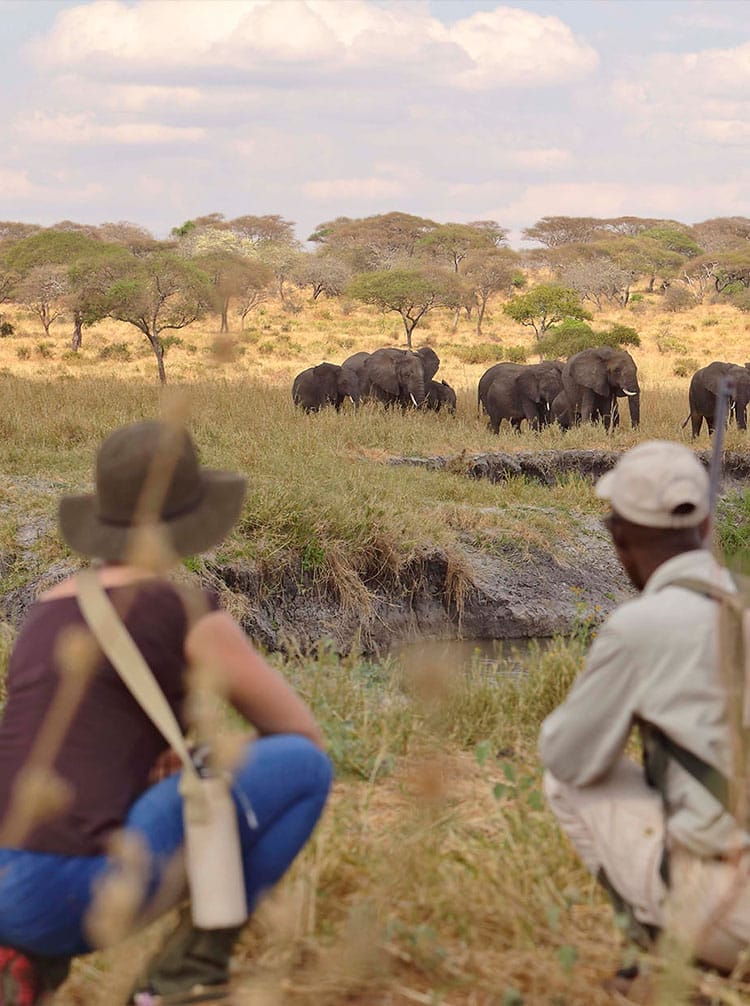
  • Guided walks 
  • All meals and drinks
  • Conservancy & national park fees (no surprise costs).
  • Airstrip transfers (seamless transfer from plane to camp).
  • Laundry in most camps

We can also arrange internal flights and hotel nights on your behalf, reducing your travel planning stress.

Curating ultimate tailor-made safari experiences for 35 years