


Skip to content

Gamewatchers' Community Conservancy Concept

A Proven Conservation Model That Protects Wildlife and Supports Communities

In our view, the key to conserving Kenya’s spectacular flora and fauna outside the parks is to engage the local communities and to provide tangible benefits from eco-tourism that exceed the returns that they are able to generate from any other form of land utilization such as farming. We have succeeded in making wildlife pay its way in the areas where we operate and we take every opportunity to share our experience with others interested in setting up private conservancies in partnership with local communities.

Sustainably marrying wildlife, community & tourism

How to achieve a sustainable form of tourism which provides real benefits for the local communities makes a significant contribution to wildlife conservation and the preservation of the Mara eco-system as one of the premier tourist attractions in Kenya

David Attenborough at Porini Amboseli Camp

“What a marvellous example of how people and wildlife can live alongside one another”

(Sir David Attenborough on visiting our Porini Amboseli Camp in 2012)

3 Key Elements of the Conservancy Concept

Gamewatchers Safaris has been instrumental in the creation of community-owned wildlife conservancies, starting with initiatives including Selenkay Conservancy in 1997, Ol Kinyei Conservancy in 2005, Orok Conservancy in 2006 and expanding to include others like Olare Motorogi, Naboisho Conservancy and most recently the Mara Ripoi Conservancy in 2023.

Our Conservancy Model is structured around the three interconnected elements of Environment, Community & Tourism. These collectively form the “triple bottom line”, with the conservancy model delivering advantages to the environment (landscape, flora and fauna), the people of the local communities and the private sector through high quality, low density tourism.

Environment:

A key focus is on halting the degradation of the ecosystem such as the Mara. Efforts include reversing the decline in wildlife populations, enhancing biodiversity, facilitating the recovery of wildlife habitats, and conserving various species of fauna and flora.

Community:

The model ensures direct financial benefits to landowners, provides employment opportunities for local families, improves land conditions, and fosters active participation in conservation efforts. Educational initiatives like the Koiyaki Guiding School offer training and career opportunities in conservation.

Tourism:

The model promotes a new, more sustainable form of tourism that moves away from the conventional high-density minibus safaris, thereby enhancing the experience for visitors (with smaller eco camps in exclusive areas) and so benefiting the Kenyan and African tourism industry.

Maps Showing The Mara Eco-System

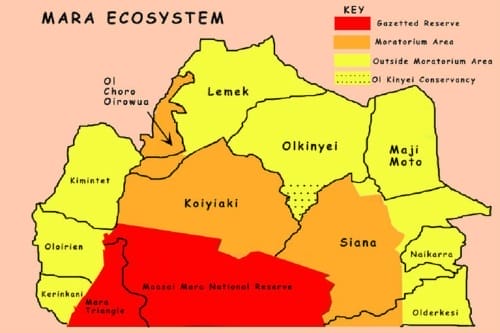
Map of the Mara Eco-system

This map shows the original Mara eco-system made up of the Masai Mara National Reserve, the Mara Triangle and the out-lying community lands or former “group ranches”. (Look for the location of Koiyaki and Ol Kinyei which have been sub-divided and are the site of the new conservancies.)

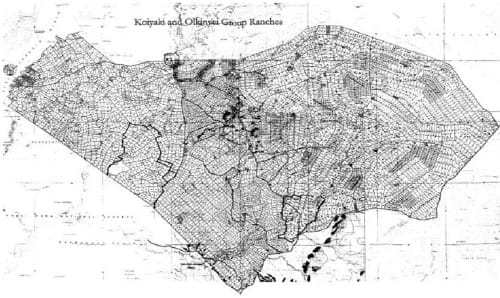
Koiyaki Group Ranch Map

This map shows how Koiyaki and Ol Kinyei Group Ranches have now been sub-divided into thousands of smaller parcels of land, on average of around 50 to 100 acre plots and allocated to individual Maasai owners who hold the title deeds and who can sell or developer their plots as they wish.

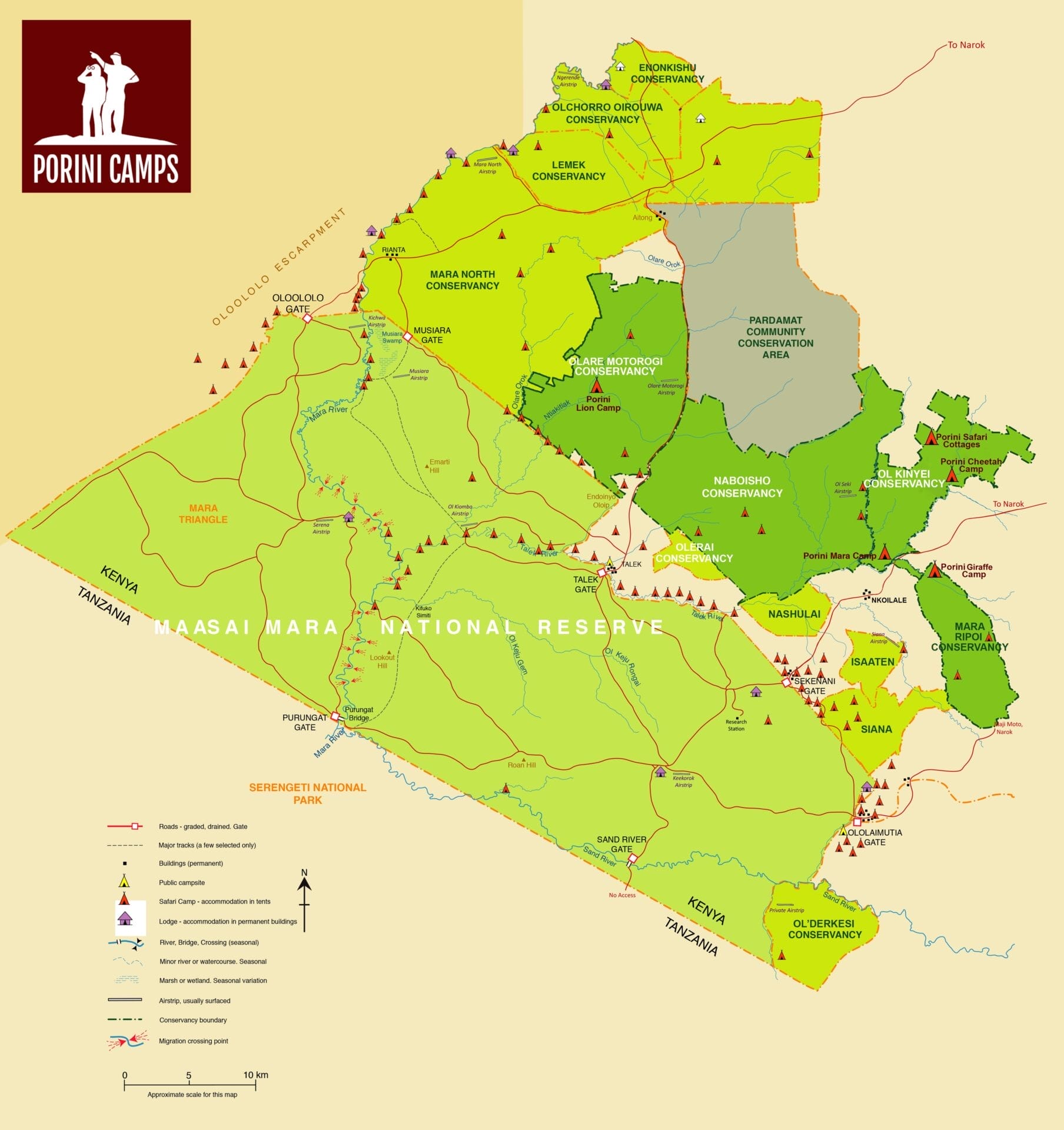
Masai Mara Map showing Mara Reserve and Conservancies

This map shows the original Mara eco-system made up of the Masai Mara National Reserve, the Mara Triangle and the private Conservancies, including the ones set up by Gamewatchers Safaris (Ol Kinyei, Mara Ripoi, Naboisho and Olare Motorogi Conservancies).

Environmental Issues

Some Statistics - Negative trends – declining wildlife

  • Populations of wildlife species in the world-renowned Masai Mara reserve in Kenya have crashed in the past three decades, according to research published in the Journal of Zoology.
  • Dr Joseph Ogutu, a Kenyan statistician at the University of Hohenheim, Germany conducted the study with colleagues there and at the International Livestock Research Institute in Nairobi, Kenya. The team looked at data gathered since aerial monitoring of Kenya’s wildlife began in 1977.
  • This covered 12 species of large mammal, ostriches and livestock, and allowed the team to calculate trends in wildlife numbers over a 33-year period across the entire reserve, and in the Masai pastoral ranches adjoining the reserve.
  • Numbers of impala, warthog, giraffe, topi and Coke’s hartebeest in the Mara eco-system have declined by over 70%, say the scientists. Beyond the reserve in the wider Mara, buffalo and wild dogs have all but disappeared, while huge numbers of wildebeest no longer pass through the region on their epic migration.

Scientists report huge decline in wildlife in Mara

  • There appear to be three main causes of these dramatic declines: the activities of poachers, changing land use patterns in ranches within the Mara eco-system, and an increase in the numbers and range of livestock held on these ranches.
  • According to Dr Ogutu, over 1500 poachers have been arrested within the Mara conservancy between 2001 and 2010, with more than 17,300 snares collected by rangers in the same period.
  • “Poaching continues to be a major menace,” he says.
  • However, numbers of cattle grazing in the reserve have increased by more than 1100% per cent, although it is illegal for them to so do.
  • This explosion in the numbers of domestic livestock grazing in the Mara region of south-west Kenya, including within the Masai Mara national reserve, is one of the principal reasons wildlife has disappeared, say the scientists who conducted the research.

Reasons for Wildlife Decline

Habitat Loss:
  • HABITAT LOSS ON COMMUNITY-OWNED LANDS OUTSIDE RESERVE (cultivation, intensive ranching, settlements, charcoal, forest clearance).
Poaching:
  • POACHING AND KILLING OF WILDIFE INSIDE AND IN AREAS BEYOND THE RESERVE.
Over Grazing:
  • OVER-GRAZING: TOO MANY COWS, SHEEP , GOATS.
Over Development:
  • OVER-DEVELOPMENTS BY TOURISM SECTOR: HIGH DENSITY TOURISM.
Habitat Loss:
  • HABITAT LOSS ON COMMUNITY-OWNED LANDS OUTSIDE RESERVE (cultivation, intensive ranching, settlements, charcoal, forest clearance).
Poaching:
  • POACHING AND KILLING OF WILDIFE INSIDE AND IN AREAS BEYOND THE RESERVE.
Over Grazing:
  • OVER-GRAZING: TOO MANY COWS, SHEEP , GOATS.
Over Development:
  • OVER-DEVELOPMENTS BY TOURISM SECTOR: HIGH DENSITY TOURISM.
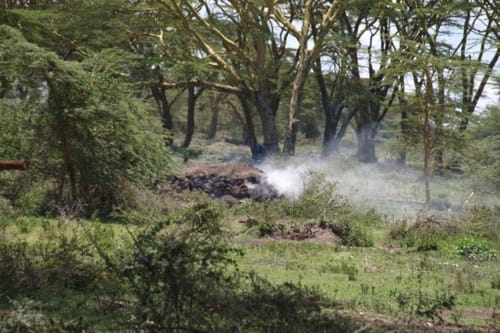
Fire

Habitat Loss

  • Charcoal burning is destroying Kenya’s forests.
  • The image shows how Acacia forests within the Mara eco-system outside the Reserve are being systematically destroyed to supply charcoal to urban centres.
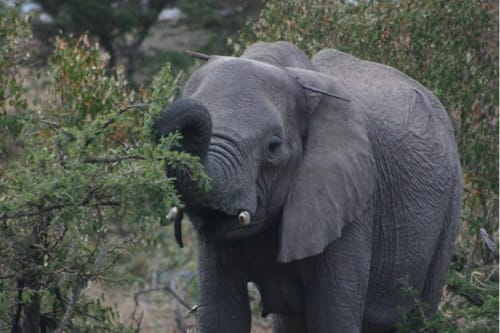
  • Poaching

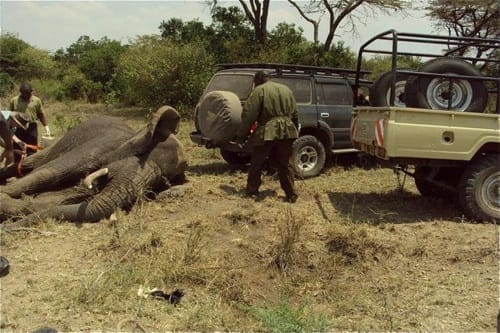
  • Injured animals come into our conservancies to seek refuge as they know they will be safe.
  • The photo shows an elephant which came into Olare Orok Conservancy with a spear through its head.
  • Elephant with a spear in Olare Orok Conservancy
    Vet

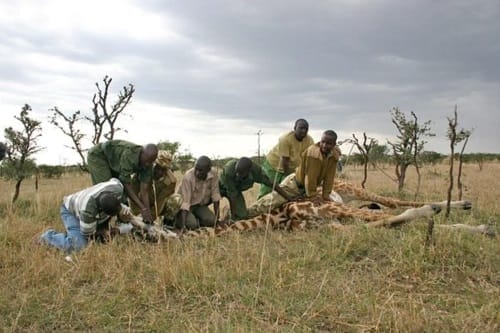
  • The next images show a giraffe which came into the conservancy from outside with a wire snare round its neck:

  • Giraffe
    Vet

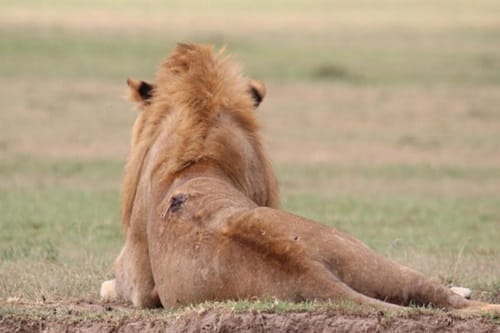
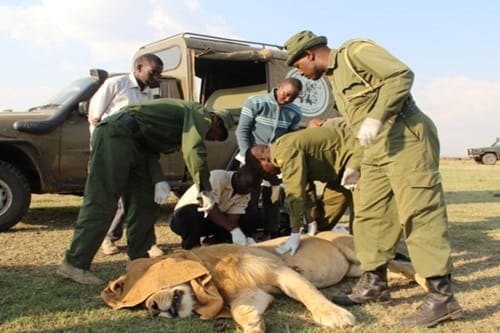
  • This male lion came into Olare Orok Conservancy with an arrowhead in his back:
  • Lion
    Vet

    Tourism Issues & Over Development

    Concerns about negative aspects.

  • Over developments within the Mara Reserve and ribbon development along the boundaries and near the gates especially in Talek, Sekenani, Siana resulting in high density tourism.
  • There was only 1 lodge and 100 beds in the 1960s – but over 160 camps and lodges and over 7,000 beds by August 2011.
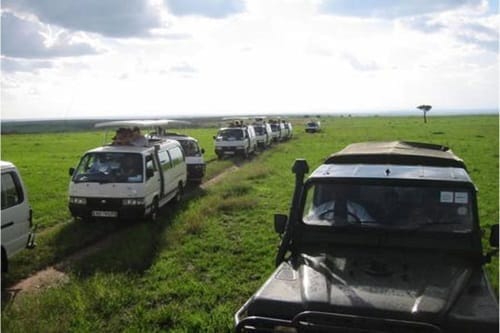
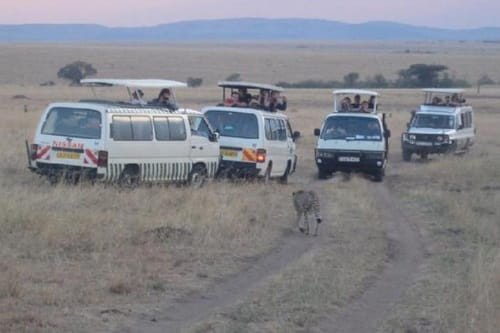
  • Within the Mara Reserve there has been over-development of tourist facilities resulting in too many vehicles crowding the animals and spoiling the visitor experience as shown below:
  • Safari
    Safari
    Safari
    Safari

    The Conservancy Concept as a means of addressing the problems:

    The key features of our Conservancy Concept, as applied at Olare Motorogi, Naboisho and Ol Kinyei, which may differ from previous “concessions” or earlier models of safari-tourism :

    Environment:
    • The conservancy is an area of at least 7,000 acres of community-owned land made up of individual parcels leased from the owners and set aside exclusively for wildlife.
    • Payment is per acre, not per tourist, and is made monthly regardless of tourist numbers and paid directly to every individual landowner and not via a central committee.
    Community:
    • The lease is paid by the safari operators who operate the tourism activities in the conservancy.
    • The is a maximum density of 1 tent per 700 acres and normally a maximum size of 12 tents per camp.
    • The area is vacated by the owners who remove all homesteads and livestock bomas.
    Tourism:
    • Grazing of domestic livestock and cattle incursions are controlled. Normally livestock is excluded but there may be rotational grazing.
    • The conservancy is managed by a warden and rangers whose costs are covered by the safari company.

    Positive Effects Of Conservancies

    Ol Kinyei Conservancy - photo credit Julie Roggow

    Environment

    Positive Effect on Bio-diversity of Conservancies.

  • No more over-grazing in the conservancy.
  • No sedentary homesteads or livestock bomas in the conservancy.
  • Grass and vegetation recovers. Rainfall increases over the conservancies! Micro-climate.
  • Virtually no poaching or wildlife killing within the community-owned conservancies.
  • Presence of warden and rangers to protect wildlife in the conservancies.
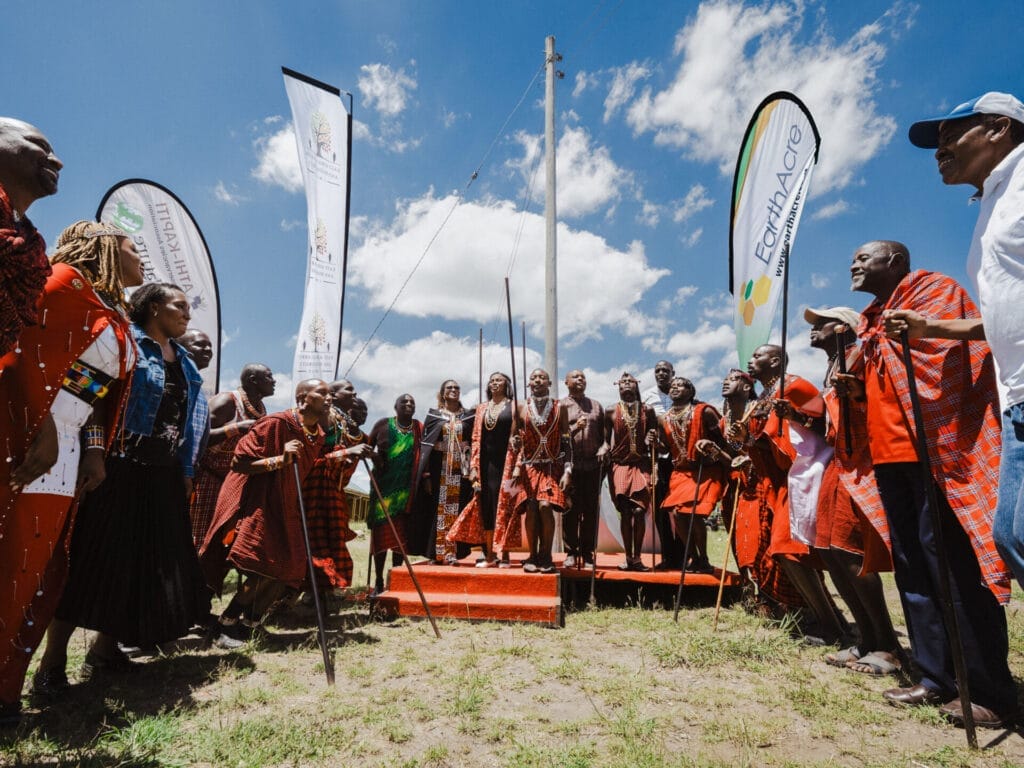
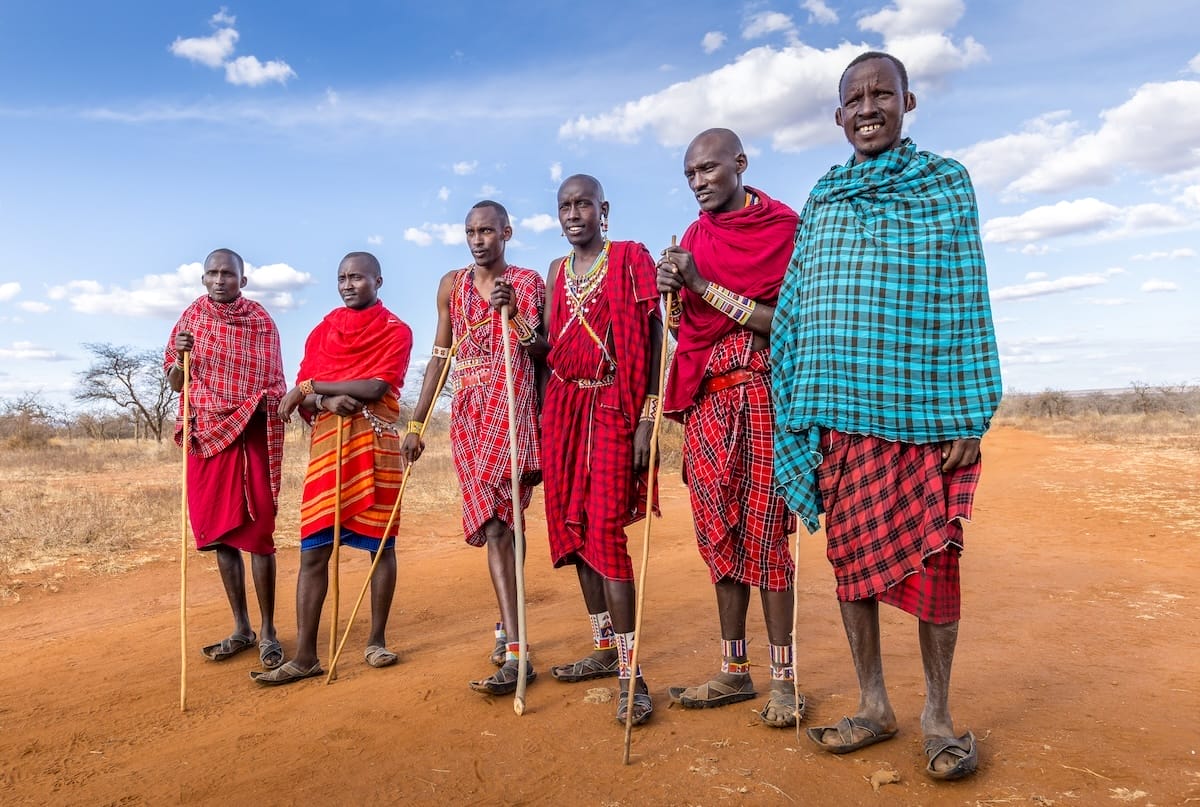
  • Maasai - photo credit Alison Mees

    Community

  • Payments received directly by individual landowners, NOT via a committee with chance of money going astray.
  • Employment opportunities for landowner families.
  • Land improves, vegetation and grass regenerates, no tree-cutting or ploughing.
  • Continued ownership of land by the individual title deed holder.
  • Involvement / participation of landowners,
  • Koiyaki Guiding School: training for school-leavers who can have a career in their conservancies.
  • The camp staff, guides and conservancy rangers are all drawn from the families of the Maasai landowners.</li

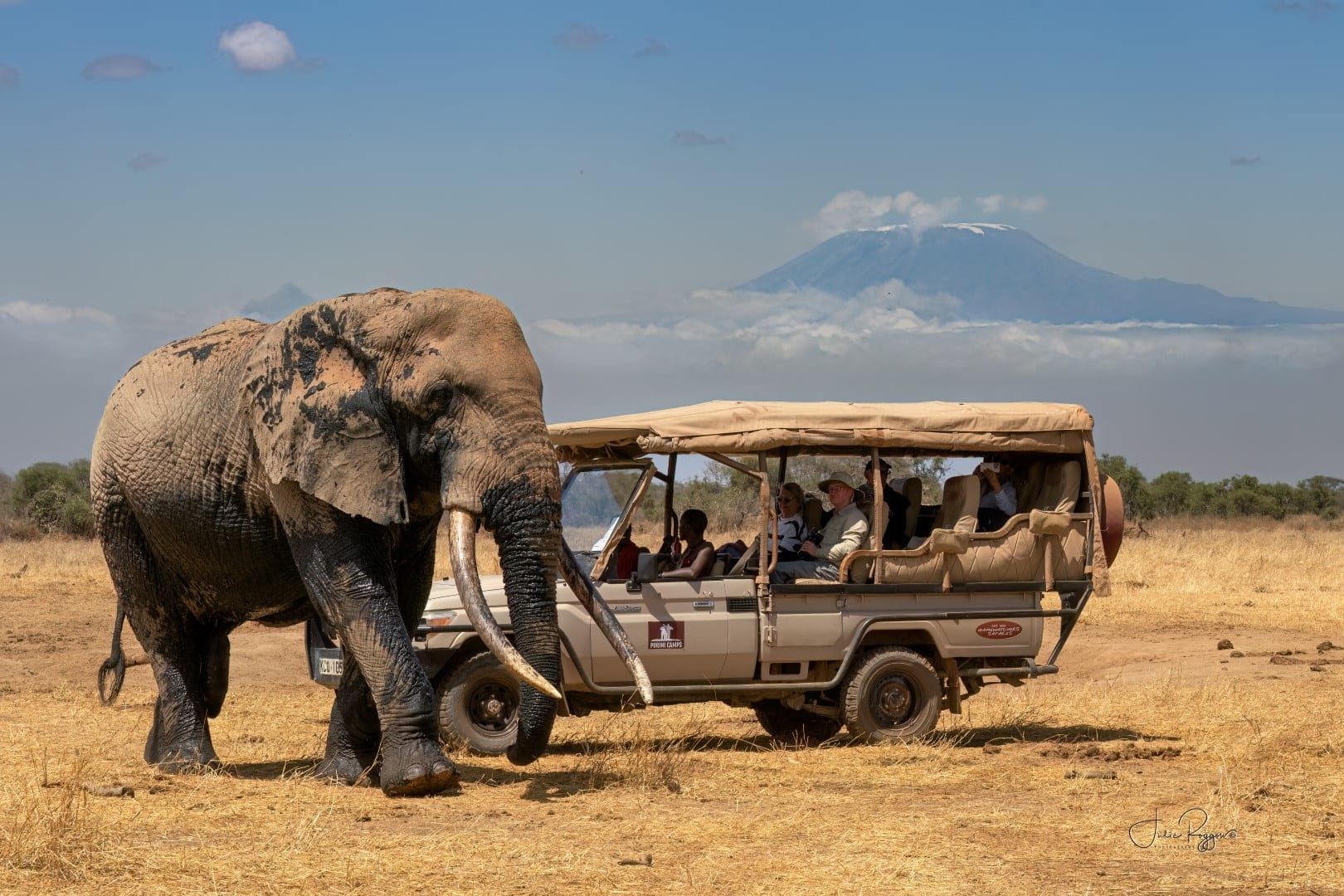
  • Umoja and Kilimanjaro photo credit Julie Roggow

    Tourism

  • Small, award winning, authentic bush camps
  • The type of tourism – small scale, emphasis on guiding and the safari experience.
  • Eco-friendly – energy, sewage, refuse disposal all certified by Ecotourism Kenya.
  • Gold Award Ecotourism Certification for Mara & Selenkay Porini Camps.
  • Wildlife viewing without the crowds and minivans that are found within the National Reserves.
  • Guiding by Maasai guides – KPSGA bronze and silver guides
  • Excellent Customer feedback – TripAdvisor Traveller's Choice 2025!
  • Wildlife viewing is excellent, with game drives in open-sided 4x4s, giving the wild animals space and avoiding harassing them.
  • On night game drives red filters are used on spotlights to avoid dazzling the animals.
  • Open Letter From Our Founder

    Read our open letter for anyone considering a wildlife photographic safari in East Africa, and learn how choosing this type of safari helps fund conservation and protect vital wildlife habitats.

    Stories from the Conservancies

    Explore our blog articles to learn more about the Gamewatchers Community Conservancy Concept, responsible tourism, and how long-term partnerships are helping protect wildlife, support communities, and safeguard vital ecosystems.

    Curating ultimate tailor-made safari experiences for 35 years