Training the Next Generation: Gamewatchers Scholarship Graduates New Safari Guides

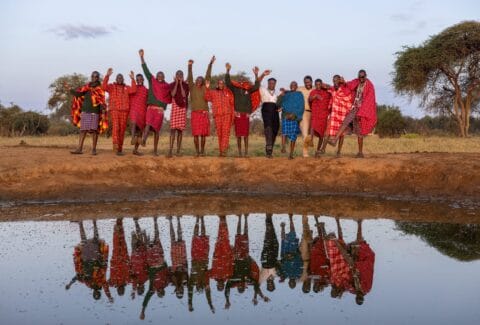
Sponsored students together

Training the Next Generation: Gamewatchers Scholarship Graduates New Safari Guides

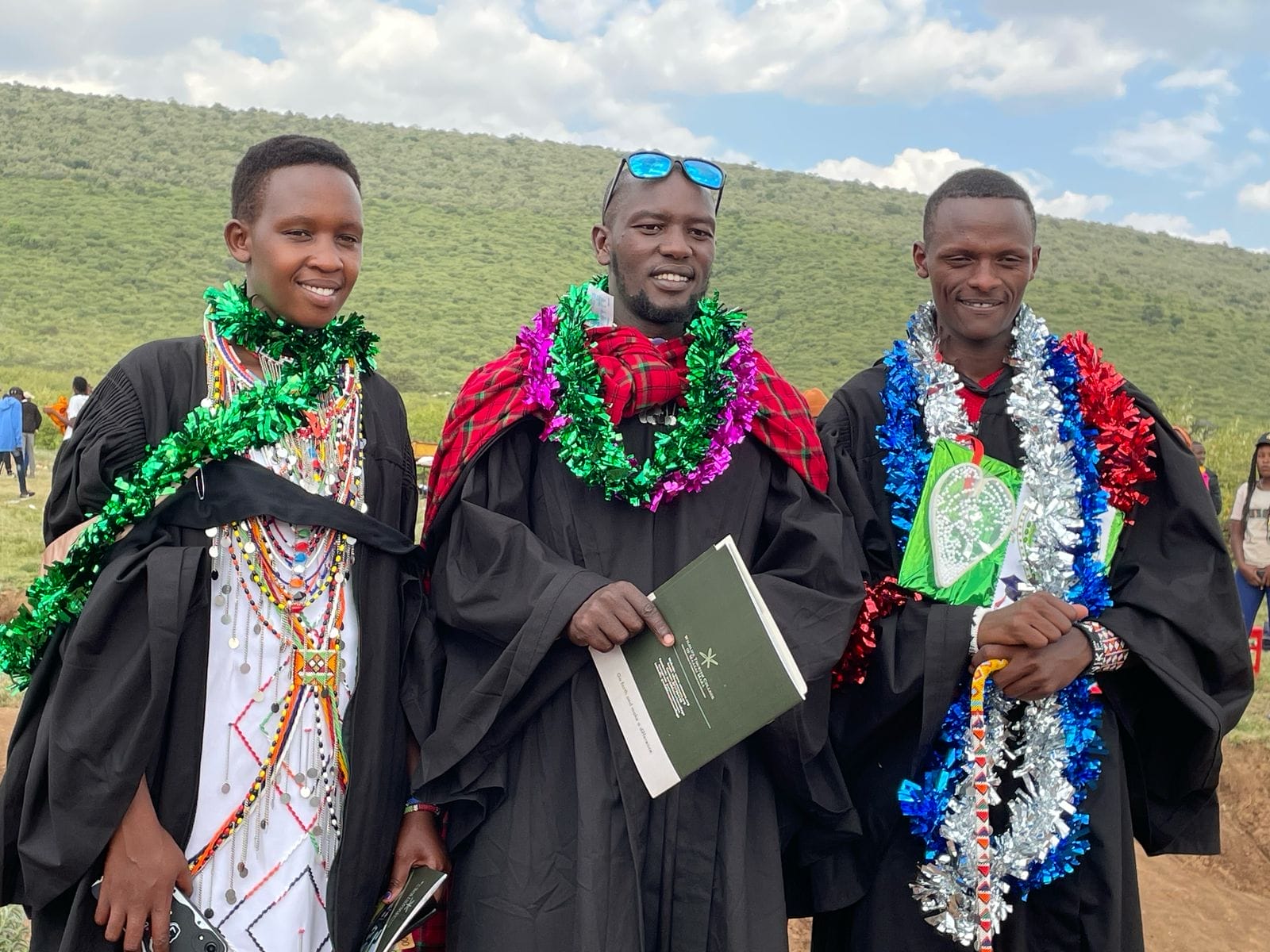
On February 28, 2025, three young conservationists—Noah Sunde, Dan Pere, and Gladys Minis—achieved a significant milestone by graduating with distinction from the Wildlife Tourism College of Maasai Mara (formerly the Koiyaki Guiding School). Their success is not just a personal achievement but a testament to the power of education in shaping the future of conservation and eco-tourism in Kenya.

Their journey was made possible through the Gamewatchers Guiding Scholarship, an initiative designed to provide opportunities for promising Maasai youth who are passionate about wildlife but may not have the financial means to pursue formal training in safari guiding and conservation management. This graduation marks the beginning of an exciting chapter—not only for these graduates but for the communities and wildlife they will help protect.

Sponsored students together
Gamewatchers Guiding Scholarship: Investing in People for Conservation

The Wildlife Tourism College of Maasai Mara located in Pardat Conservation Area, was established in 2005 under the name Koiyaki Guiding School. Each year, the institution enrolls 26 students, equipping them with the skills necessary to become professional safari guides, conservationists, and ambassadors for responsible tourism.

Gamewatchers Safaris has long been committed to community-led conservation, ensuring that local people benefit directly from protecting Kenya’s wilderness. By sponsoring students at the Wildlife Tourism College, we are not just supporting individuals—we are investing in the future stewards of Kenya’s ecosystems.

Through the scholarship program, students receive full or partial financial assistance, allowing them to complete their training and gain industry-recognized certifications such as the Kenya National Examinations Council (KNEC) exams and the Kenya Professional Safari Guides Association (KPSGA) certification. For Gamewatchers Safaris, the scholarship is more than just education—it is about ensuring that conservation efforts are community-led, sustainable, and impactful. With over 90% of Porini Camps’ staff coming from the surrounding communities, this initiative directly contributes to employment, skills development, and long-term conservation efforts.

Meet the Graduates: Their Journey, Their Impact

Gladys Nabaya Minis: A Trailblazer for Women in Conservation
At just 20 years old, Gladys from Ol Kinyei Conservancy has already defied the odds. As a single mother, she faced financial challenges, but her passion for wildlife and determination led her to earn a Distinction in her KNEC exams and pass her Kenya Professional Safari Guides Association (KPSGA) Bronze exam. Gladys did her internship at the Porini Ol Kinyei Safari Cottages to further equip her with practical experience, allowing her to apply her skills in a real-world setting. With her newfound qualifications, Gladys is poised to become a leading female guide, inspiring more women to pursue careers in conservation.

Gladis Minis proudly receives her certificate on graduation day.

Daniel Pere: A Guiding Light for His Family & Wildlife
As the firstborn in a family of 30, a husband and a father of two, Pere understands responsibility. His dream is to use his guiding skills to uplift his family while protecting Kenya’s wildlife. Despite challenges, he scored 67% in his KPSGA exam and achieved a Distinction in his KNEC exams. During his internship at Porini Mara Camp, he gained hands-on experience, boosting his confidence and preparing him for a future as a professional guide

Dan Pere proudly receives his certificate on graduation day.

Noah Sunde: Championing Conservation in Selenkay
Growing up in Selenkay Conservancy, Noah was inspired by expert guides from Porini Camps. With Gamewatchers’ sponsorship, he pursued his dream, excelling in his KPSGA Bronze Exam and KNEC Final Exam. His internship at Porini Rhino Camp strengthened his skills, and now, he is eager to promote sustainable tourism and conservation in Selenkay, ensuring his community benefits from responsible travel.

The graduation of Noah, Dan, and Gladys is not just a milestone for them personally—it is a victory for conservation in Kenya. As newly qualified guides, they will help protect and preserve Kenya’s diverse ecosystems by sharing their knowledge with visitors. Their expertise will ensure that safari experiences remain authentic and deeply connected to local culture while playing a vital role in educating guests on sustainable tourism practices and the importance of conservation. They will also serve as role models for other young Maasai individuals who aspire to work in eco-tourism.

By investing in local talent, Gamewatchers Safaris ensures that the future of conservation is in the hands of those who have grown up in these landscapes and understand their significance better than anyone else.

How Safari Guests Play a Role in Conservation

One of the most remarkable aspects of this program is how every guest staying at Porini Safari Camps directly contributes to education and employment opportunities for young Maasai men and women. By choosing eco-tourism over mass tourism, visitors help fund scholarships, create jobs, and support the protection of Kenya’s wildlife and wilderness areas.

As more travelers seek ethical and sustainable safari experiences, programs like the Gamewatchers Guiding Scholarship prove that tourism can be a force for positive change—benefiting both people and the planet.

A Bright Future Ahead

For Noah, Dan, and Gladys, this graduation is just the beginning. Their journey from students to professional guides means that future safari guests may soon find themselves exploring Kenya’s breathtaking conservancies under their expert guidance. Their success is a reminder that investing in people is just as important —if not more—than protecting wildlife, because conservation thrives when communities are part of the solution.

Acknowledging Our Generous Supporters

The success of our scholarship program would not be possible without the generosity of those who believe in the power of education and conservation. We extend our heartfelt gratitude to:

  • Angie Ullmann – Generously provided a full scholarship for Noah Sunde
  • Adrienne Van Veen –  Generously contributed $463 towards Gladys Minis’ education

Additionally, further support was provided to ensure Gladys Minis and Dan Pere could successfully complete their studies.

Your generosity has helped shape the future of young conservationists, ensuring they have the skills and knowledge to protect wildlife and natural heritage. Thank you for making a lasting impact!

Be Part of the Impact

Every booking with Porini Camps supports initiatives like the Gamewatchers Guiding Scholarship, ensuring that conservation remains community-driven, sustainable, and effective. Want to experience a safari that makes a difference? Book your stay with Porini Camps and be part of the movement to empower future conservationists.Learn more about our community projects and how you can help here: https://wildlifehabitattrust.org/trust-projects/

Posted on 19th March 2025

By Ivy Vuguza

A Tribute to Paolo, Amboseli’s Iconic Elephant

Wildlife

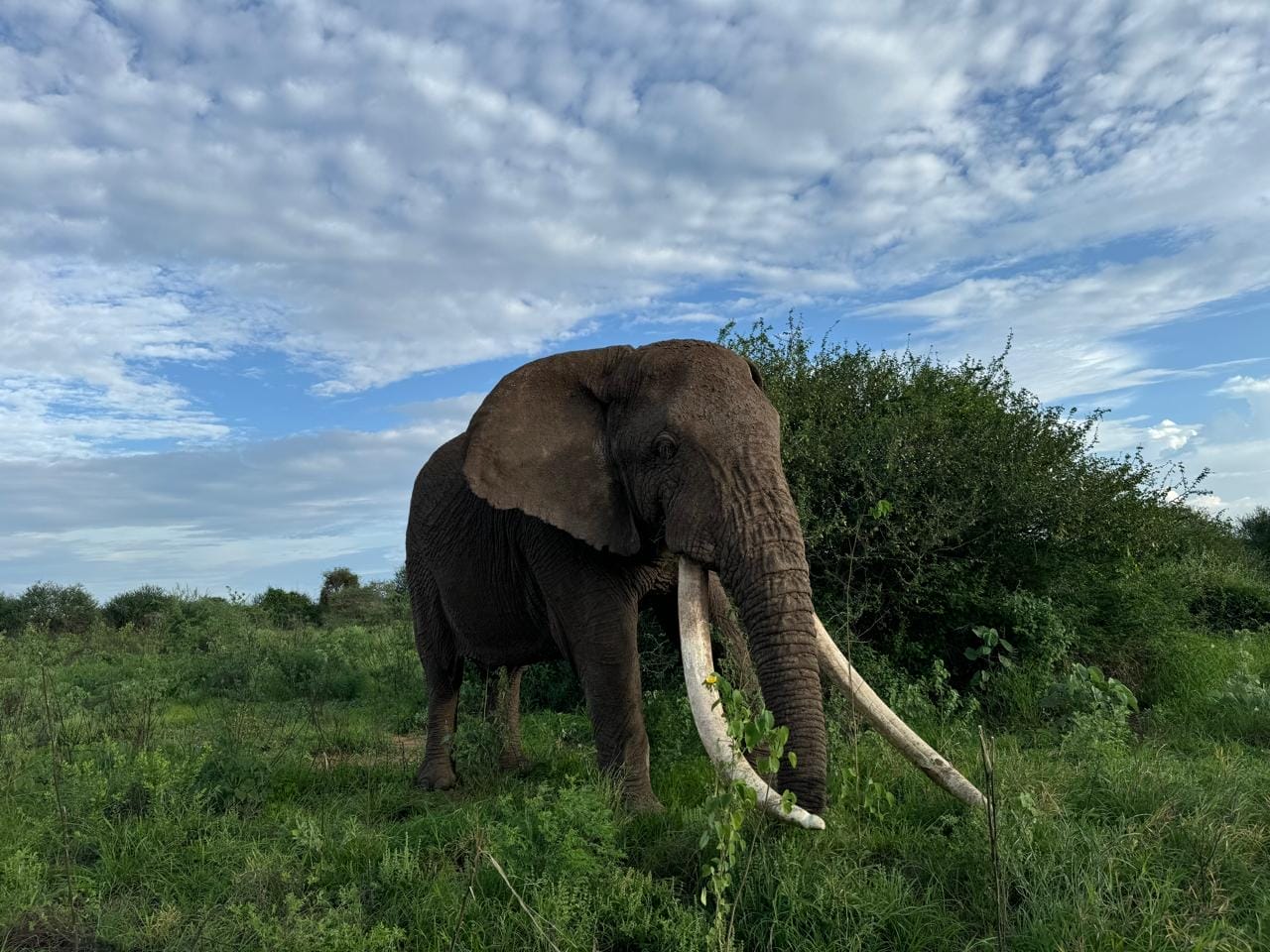
Paolo, captured through the lens of Porini Guide Edison Sakimba

A Tribute to Paolo, Amboseli’s Iconic Elephant

We are deeply saddened to announce the passing of Paolo, one of Amboseli’s most famous and cherished elephants. At 46 years old, Paolo’s death marks the loss of a true giant, not only in size but also in spirit. His massive tusks, each weighing over 100 pounds (45 kg), made him one of Africa’s last remaining super tuskers, and his presence will be sorely missed.

A Life Filled with Challenges and Triumphs

According to Amboseli Elephant Trust, Paolo was born in November 1979 and was part of the ‘P’ family, one of the largest elephant families in Amboseli. Under the care of his mother, Pick, Paolo survived early challenges, including a devastating drought in 1984. As Paolo grew older, he left his family at 14 years of age, following the natural path of male elephants to live independently.

Over the years, Paolo endured numerous hardships, including two poaching crises and a severe drought in 2008 that claimed the life of his mother. Despite these challenges, Paolo thrived, becoming one of Amboseli’s largest and most iconic elephants

Paolo, captured through the lens of Porini Guide Edison Sakimba

The Rare Super Tusker

Paolo was a magnificent bull known for his impressive tusks. Following his passing, the Kenya Wildlife Service (KWS) recorded measurements of Paolo’s tusks, confirming just how extraordinary they were.

Paolo’s Tusks: A Legacy in Numbers

🔹 Right Tusk

  • Weight: 52.9 kg
  • Outer Curve Length: 260 cm
  • Inner Curve Length: 234 cm
  • Circumference: 52 cm

🔹 Left Tusk

  • Weight: 51 kg
  • Outer Curve Length: 252 cm
  • Inner Curve Length: 227 cm
  • Circumference: 52 cm

These numbers highlight just how magnificent Paolo was—his tusks were not only long but also thick and symmetrical, marking him as a true ‘big tusker.’ 

Super tuskers like Paolo are becoming increasingly rare. The International Fund for Animal Welfare (IFAW) notes that fewer than 30 super tuskers remain worldwide – IFAW.ORG. with only approximately 10 residing within the Amboseli ecosystem – EnactAfrica.Org.  Paolo, however, was able to survive thanks to the tireless conservation efforts in the Amboseli ecosystem from the community, KWS, many conservation partners as well as the critical protected area that the Selenkay Conservancy is.

His presence in Amboseli and Selenkay Conservancy was a symbol of the success of community-based conservation. The local Maasai communities and dedicated rangers helped protect Paolo and other elephants, allowing them to live freely and safely.

 Selenkay Conservancy set up by Gamewatchers & Porini Camps in partnership with the community almost 30 years ago continues to be a vital part of the home range to some of these super tuskers and a great place to be able to view these majestic animals from while staying at Porini Amboseli Camp

Paolo’s Impact on Amboseli and Selenkay Conservancy

Paolo was not only an icon of Amboseli but also a frequent visitor to the Selenkay Conservancy. The conservancy, one of the most important wildlife areas in the region, has been a safe haven for elephants like Paolo. Our Porini Amboseli guides fondly remember him, sharing stories of his gentle nature and awe-inspiring presence.

“From the moment Paolo arrived here, he lived peacefully among both people and other elephants. He was easy to recognize by his folded right ear and his long, thick tusks, which stood tall above his shoulders. I knew him as a shy but calm elephant who preferred solitude most of the time. Despite this, he was a favorite among our guests, who traveled from far and wide to photograph him. His presence was a great attraction, and he embodied the beauty of Africa’s iconic big tuskers. Sadly, Paolo passed away when we still needed him. Though we couldn’t intervene, we believe he died of natural causes. Throughout his life, he was never in conflict with people—not even when near their farms. Paolo will be deeply missed, but his memory will live on in our hearts forever, ” says Selenkay Conservancy Manager, Daniel Mamai.

Paolo, captured in a stunning moment by Selenkay Conservancy Manager, Daniel Mamai.

“Paolo was often seen between Selenkay Conservancy and Amboseli National Park in the months leading up to his death. He was a friendly bull, and his presence was a symbol of strength and grace in our conservancy. As one of the iconic giants of Selenkay, Paolo was truly a living legend. His passing marks the loss of one of our biggest super tuskers, and it’s incredibly sad to lose such a peaceful and majestic patriarch. Paolo leaves a significant gap in Amboseli, and we can only hope that he has passed on his legacy through the next generation, ” adds Porini Amboseli Camp Silver Guide, Edison Sakimba who often photographed Paolo both in the Park and the Conservancy.

Check out this video of Paolo, captured by Sakimba in December 2024 at Selenkay Conservancy during a game drive with guests from Porini Amboseli Camp: https://www.facebook.com/share/v/1Azhqfwx9T/

“I’ve known Paolo for 10 years, and he became one of the best bull elephants in the Amboseli ecosystem. I always made it a point to track him down for my clients so they could have the chance to see him. He was a very friendly and intelligent elephant, who preferred to stay in Selenkay Conservancy for longer periods than in the park. Just last month, he came to Porini’s waterhole to say goodbye. His passing was due to natural causes, and no one is to blame. Rest in peace, Paolo! “ says Porini Amboseli Camp, Bronze Guide Daniel Muli.

Left to Right: Paolo, captured through the lens of Porini Guide Daniel Muli; Muli photographed with Paolo the elephant in Selenkay Conservancy

Though Paolo is gone, his legacy lives on in the work done to protect elephants and their habitats. His story is a reminder of the importance of sustainable conservation practices and the need to continue protecting these majestic creatures for future generations.

A Lasting Legacy

While we mourn the loss of Paolo, we also celebrate his life and the role he played in Amboseli’s elephant population. His sister, Periwinkle, continues to roam the savannah, carrying his memory forward. As you visit Porini Amboseli Camp, know that your support helps maintain the vital habitats that allow elephants like Paolo to thrive.

Rest in peace, Paolo. You will forever be remembered as one of Amboseli’s greatest giants.

— With gratitude from the team at Porini Amboseli Camp, Selenkay Conservancy and the entire Gamewatchers Safaris Team.

By Ivy Vuguza

Posted: 7th February, 2025

Bridging the Digital Divide in Kenya: Expanding Educational Opportunities in Rural Schools with WiLearn Digital Learning Initiative

Community

Bridging the Digital Divide in Kenya

Expanding Educational Opportunities in Rural Schools with WiLearn Digital Learning Initiative

At Gamewatchers Safaris, our commitment to conservation goes hand in hand with empowering communities through education. The Digital Smart Learning Project, implemented in partnership with WiLearn 4 Life Foundation and funded by the PD Foundation, is a testament to this commitment. By introducing digital learning to rural schools, we are bridging the gap between traditional education and the demands of a modern, connected world.


A pupil of Iloirero Primary School using WiLearn Tablet during an ICT Lesson

January Assessment Visit

Early this month, January 7th to 10th, 2025, Wildlife Habitat CEO Naheed Popat, along with WiLearn representatives Roland Diethelm (CEO of WiLearn 4 Life) conducted an assessment visit for the digital smart learning project in the Maasai Mara. They visited five schools in Ol Kinyei and Mara Ripoi, including:

WiLearn 4 Life CEO, Roland Diethelm in class with pupils of Nkineji Primary School during his visit

The visit aimed to assess how the digital learning kits are being utilized, identify any challenges, evaluate hardware and software performance, and understand the benefits for students and teachers. WiLearn also hosted training sessions with teachers, ensuring they could maximize the potential of the kits and digital content.

WiLearn 4 Life CEO, Roland Diethelm assessing equipment with teachers during his visit to schools in the Mara

Positive Feedback and Promising Results

The visit was a success, with teachers and students expressing enthusiasm about the digital learning kits. While challenges remain, such as ensuring consistent use and addressing technical issues, the transformative impact on education was evident. The kits have empowered students to go beyond traditional learning methods, offering them access to modern, interactive content that enriches their understanding of the world.

Expanding Digital Learning in the Mara

Last year, we celebrated a major milestone with the inclusion of Nkineji Primary School, located within the Mara Ripoi conservancy community, in our digital learning program. This addition brought the total number of participating schools in the Mara region to five. These schools now benefit from WiLearn 4 Life smart learning kits, which include solar-powered charging systems, MsingiPack servers, Smartviewer projectors, screens, Bluetooth speakers, WiFi modems, and headsets.

Nkineji Primary School in Mara Ripoi Conservancy
Nkineji Primary School receives digital learning equipment from WiLearn
Nkineji Primary School in Mara Ripoi Conservancy
Nkineji Primary School receives digital learning equipment from WiLearn

These tools are tailored for rural settings, enabling effective learning even in schools without internet or access to the national power grid. In September, teachers at Nkineji Primary completed a three-day training program, equipping them to seamlessly integrate these tools into their lessons.

WiLearn Projects in Selenkay, Amboseli 

In addition to the schools in the Mara, WiLearn is also active in Ololulunga Supat and Iloirero primary schools, based in the community surrounding Selenkay Conservancy within the Amboseli region. These two active digital learning projects, further extend the reach of this initiative and exemplify how conservation and education can work together to empower communities.

A Brighter Future Through Digital Education

The Digital Smart Learning Project demonstrates the power of collaboration between eco-tourism, conservation, and community development. By equipping schools with solar-powered digital tools, we are not only empowering students but also promoting sustainable practices. This project, which aims to expand to 10 schools, reflects our belief that Kenya’s youth are the future stewards of its ecosystems. By providing them with access to quality education, we’re helping to shape a generation of leaders who understand the importance of balancing development with conservation.

Teachers from the schools involved in the program have shared their feedback, emphasizing the positive impact of the digital learning tools:

“The use of tablets and projectors as a means of delivering content to learners is excellent, even though they are not enough for the whole school,” says Mr. Danson Shololo from Oloibormut Primary School. “These tools help us engage students in ways we couldn’t before.”

At Ilmonchin Primary School, Mr. Raphael shared, “The projector is the best gadget in delivering content since most learners will participate in learning. Tablets are often used by ECD learners (PP1, PP2, and Grade 1) because they have smaller classes.”

This positive feedback from teachers underscores how the Digital Smart Learning Project complements the Kenyan government’s Competency-Based Curriculum (CBC). In remote schools, where access to digital tools was previously limited, this project has enabled them to meet the CBC’s requirements, which emphasize the development of digital learning skills. The project’s efficient, solar-powered charging solution for up to 20 tablets at once addresses the significant power challenges these schools face. By providing a reliable way to charge devices and offering a wealth of digital learning content, the project is making a meaningful impact in these schools.

How You Can Help

Your support can make a difference in this transformative initiative. You can learn more about the project and contribute here: https://donorbox.org/digital-smart-learning-project.

Together, we can bridge the digital divide, create opportunities, and build a sustainable future for Kenya’s communities and wildlife.

By Ivy Vuguza

Posted on 16th January 2025

Namunyak’s Son Collared: Advancing Cheetah Conservation in the Mara

Wildlife

Namunyak’s Son Collared: Advancing Cheetah Conservation in the Maasai Mara

Olomunyak, now collared for conservation research, in Ol Kinyei Conservancy. Photo by Philip Salaash.

In an important event for cheetah conservation, Namunyak’s 15-month-old son has been collared in Ol Kinyei Conservancy. The young male, now named Olomunyak by the Rangers of Ol kinyei—meaning “Lucky One” in Maa—earned his name as the sole survivor of Namunyak’s litter of five cubs. As a first-time mother, Namunyak has shown remarkable resilience and care, successfully raising Olomunyak in a challenging environment.

A close-up of Olomunyak's collar being carefully fitted for conservation research. Photo by Simon Nkoitoi

Why Collaring Matters

According to Mara Predator Conservation Programme, the collaring of Olomunyak is part of a broader conservation effort to address two alarming trends in the Mara: the disappearance of dispersing male cheetahs and the decline in the population of breeding females.

Dispersing males, like Olomunyak, leave their mothers around 16 months to establish new territories. However, many vanish during this crucial period, and only a fraction of their groups are accounted for. Researchers believe this could be due to a lack of suitable habitat outside protected areas, pushing them into remote regions or community lands, where they face threats such as conflict and predation.

Collaring allows conservationists to track these young males, understand their movements, and work proactively to protect the habitats they rely on.

Olomunyak's eyes gently covered to keep him calm during the collaring process. Photo by Simon Nkoitoi

The Role of Namunyak

Namunyak’s journey as a first-time mother is a testament to her resilience and instincts. Successfully raising a cub in the wild is no small feat, especially when four of her five cubs were lost to the harsh realities of life in the savannah. Her dedication has ensured that Olomunyak reached dispersal age, giving him a strong start in life. Protecting breeding females like Namunyak is vital to securing the future of cheetah populations in the region.

Science and Safety in Action

The collaring of Olomunyak reflects a thoughtful and meticulous approach to conservation. Partnering with the Zambian Carnivore Programme, the Mara Predator Conservation team and the Kenya Wildlife Service ensures collars are safe and appropriate, especially for young males. Strict guidelines are followed: males must be at least 15 months old, and females with cubs are not collared to avoid additional stress.

For Olomunyak, the collar is more than a tracking device—it’s a symbol of hope and a tool to gather critical data. It will help conservationists identify key dispersal areas, reduce human-wildlife conflict, and provide insights into how young males navigate the challenges of independence.

The conservation team celebrates a successful collaring mission in Ol Kinyei Conservancy

The Bigger Picture

Namunyak and her son’s story is part of the ongoing effort to safeguard cheetahs in the Maasai Mara. Understanding their behavior and addressing the threats they face are crucial steps toward ensuring their long-term survival.

Conservancies like Ol Kinyei Conservancy (one of the few IUCN Green List Protected areas in Africa) play a critical role in providing safe habitat for Cheetahs and all this is supported by guests staying at the Porini Camps in Ol Kinyei Conservancy – Porini Mara Camp, Porini Cheetah Camp and the Ol Kinyei Safari Cottages

Special thanks go to the Mara Predator Conservation Programme, the rangers at Ol Kinyei Conservancy and the Kenya Wildlife Service Mobile Vet Unit for their dedication to making this collaring possible.

As Olomunyak embarks on his journey, his movements will not only shape his destiny but also contribute to the broader understanding and protection of cheetahs. His story reminds us of the delicate balance between humans and wildlife and the importance of continued efforts to protect these magnificent big cats.

By Ivy Vuguza

Posted on 22nd December 2024

The Adventures of Porini Rhino Camp: A Buffalo Calf’s Near-Death Experience

Wildlife

The Adventures of Porini Rhino Camp: A Buffalo Calf’s Near-Death Experience

Man watching giraffes and elephants on safari

At Porini Rhino Camp, the waterhole is not just a source of hydration; it’s a vibrant stage for dramatic wildlife encounters. In a previous blog, we recounted the harrowing tale of a lioness hunting a baby zebra. Today, we bring you another gripping story witnessed by our guests—a buffalo calf’s near-death experience at the waterhole.

On a tranquil Tuesday morning, following a routine game drive in Ol Pejeta Conservancy, guests settled into the wildlife viewing hide to soak in the serene surroundings. It had been a few days since elephants graced the waterhole, making this morning particularly special.

Suddenly, sharp grunts echoed from the plains, prompting Porini Camp Manager, Edwin Mirara, to rush outside. What he witnessed was both thrilling and alarming: a hyena was hot on the heels of a baby buffalo. In a desperate bid for safety, the calf darted into the waterhole, with the hyena close behind. While hyenas may not be the most graceful swimmers, they are adept enough to navigate water when pursuing prey, escaping threats, or exploring new territories.

Hyena follows buffalo calf into the waterhole at Ol Pejeta Conservancy Photo by Edwin Mirara
Hyena follows buffalo calf into the waterhole at Ol Pejeta Conservancy (Photo by Edwin Mirara)
Hyena follows buffalo calf into the waterhole at Ol Pejeta Conservancy Photo by Edwin Mirara
Hyena follows buffalo calf into the waterhole at Ol Pejeta Conservancy (Photo by Edwin Mirara)

As the hungry hyena lunged into the water, it was soon joined by two companions, all eager for a mid-morning meal. However, the buffalo calf had a crucial advantage: its larger size allowed it to stand in deeper water, keeping the hyenas at bay. Just when it seemed like the calf’s fate was sealed, something startled the hyenas, sending them scrambling for safety—even the one still in the water. Edwin couldn’t identify the source of their fright, but this sudden change allowed the calf to escape what could have been a tragic end.

Hyenas at watering hole at Porini Rhino Camp
Spooked hyenas scamper for safety at the Porini Rhino Camp waterhole (Photo by Edwin Mirara)
Hyenas at watering hole at Porini Rhino Camp
Spooked hyenas scamper for safety at the Porini Rhino Camp waterhole (Photo by Edwin Mirara)

Left alone in the water, the calf took a moment to catch its breath. Meanwhile, a few elephants lingering at the waterhole seemed to be playing their part in this drama, forcing the calf to remain in the water for a while longer. The entire incident lasted about 20 minutes, showcasing the raw unpredictability of nature.

Buffalo Calf leaving a watering hole
Buffalo calf leaving the waterhole after a horrific interaction with Hyenas (Photo by Edwin Mirara)
Buffalo Calf leaving a watering hole
Buffalo calf leaving the waterhole after a horrific interaction with Hyenas (Photo by Edwin Mirara)

However, this story isn’t without its somber notes. Edwin observed that the calf appeared a bit sickly, raising concerns about its chances of survival. In the wild, a calf that is weak or unwell may struggle to keep up with the herd, prompting mothers to abandon them for the sake of the healthier members. While some buffalo mothers stay with their sick calves, many instinctively prioritize the survival of the group.

As we reflect on this harrowing yet captivating encounter, we can only hope for the calf’s recovery.

At Porini Rhino Camp, moments like these remind us of the incredible stories nature has to offer. Our wildlife hide provides unparalleled opportunities to witness such events firsthand. If you want to experience the thrill of the wild and perhaps catch your own breathtaking sighting, book your stay at Porini Rhino Camp for a front-row seat to the wonders of nature.

By Ivy Vuguza

Posted on 4th November 2024