Conservation
World Water Day 2026: Protecting Kenya's Water, Wildlife, and the Mara Ecosystem
Water is life in the Maasai Mara. It sustains wildlife, supports local communities, and shapes the landscapes that make this ecosystem one of the most extraordinary places on earth. Each year on World Water Day, attention turns to the importance of protecting freshwater resources and the collective responsibility to use them wisely.
Across the mara ecosystem conservation takes many forms from scientific research along the Mara River to sustainable practices implemented within safari camps.
The Mara River: A Lifeline Beneath the Surface
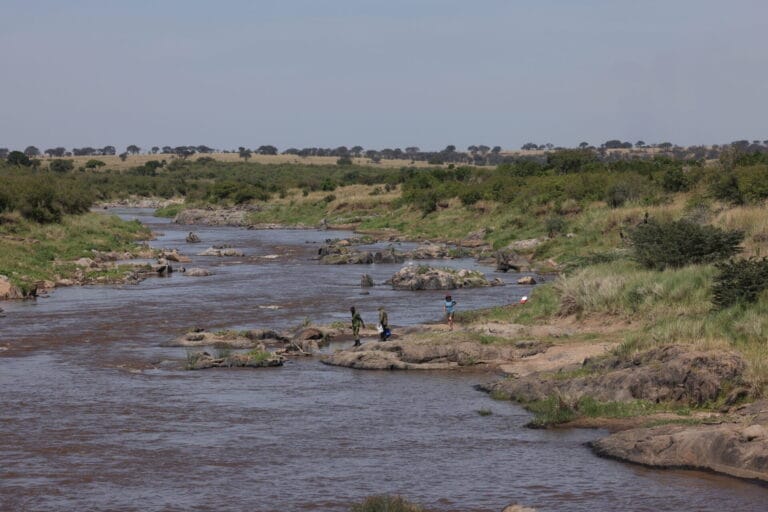
The Mara River is one of Africa’s most iconic waterways. Flowing from the Mau Forest in Kenya, through the Maasai Mara and into the Serengeti before eventually reaching Lake Victoria, the river supports wildlife migrations, tourism, and communities along its journey.
As described by Muffadal S. Alibhai, Freshwater Programme Lead, Wildlife Habitat Trust:
“While its surface is known for dramatic crossings and powerful currents, a quieter story unfolds beneath it, one of freshwater biodiversity, discovery, and connection.”
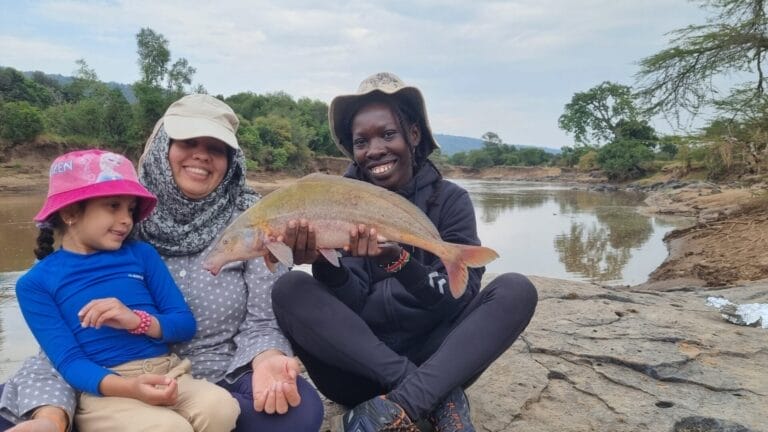
Along the river’s course, conservationists, students, and scientists have worked together to better understand the hidden systems that sustain life both within and beyond the water.
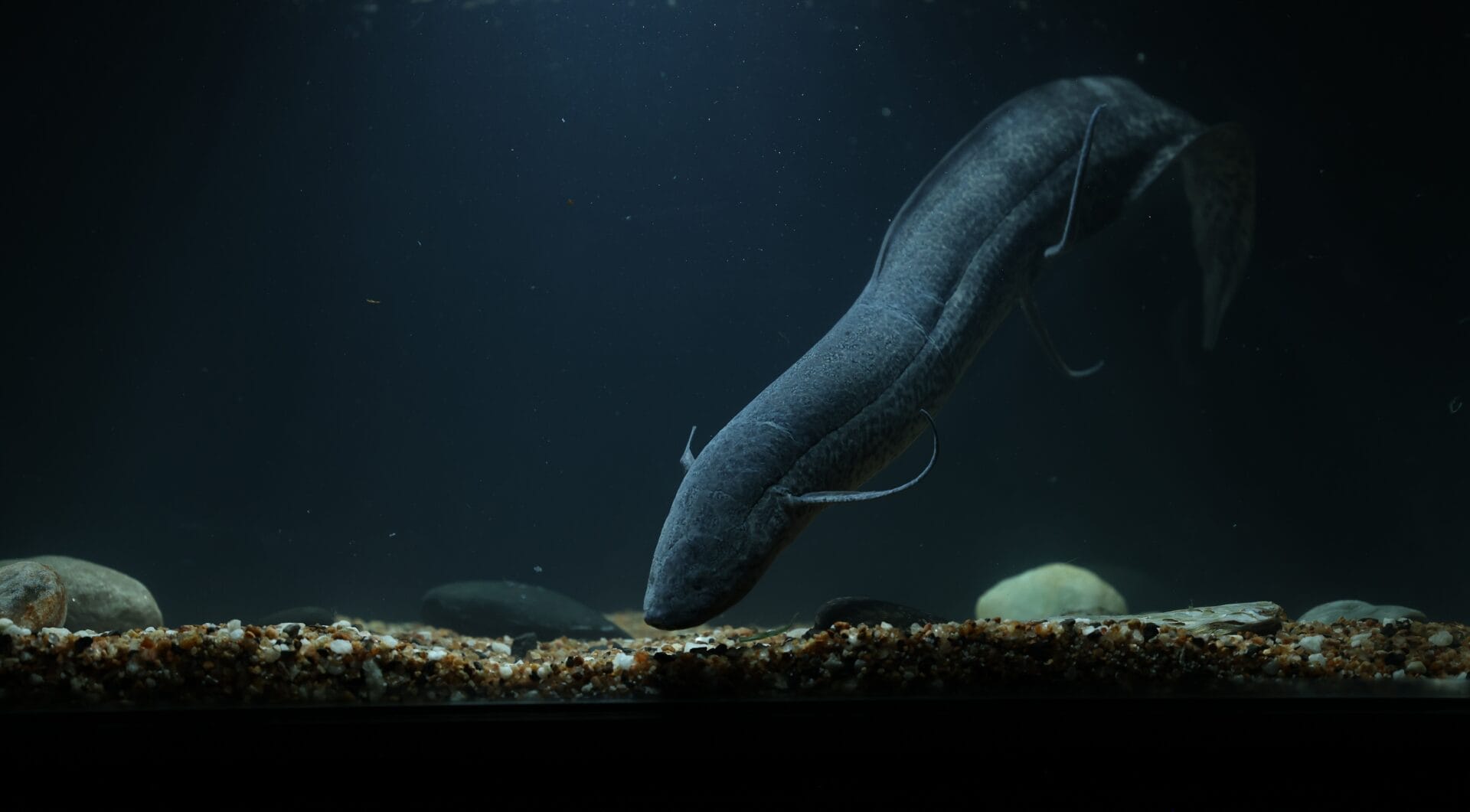
At the center of this effort is the Mara River Research Programme, a long-term collaborative initiative exploring hydrology, water quality, freshwater biodiversity, fish species, and nutrient cycles that shape the ecosystem.
“Led by a diverse and dedicated team, the programme has explored everything from hydrology and water quality to the ecological impacts of wildlife, fish species and nutrient cycles within the river,” notes Alibhai.
The People Behind the Science
Behind this growing understanding of the Mara River is a remarkable team of researchers and conservationists.
Professor Amanda Subalusky leads the programme, helping uncover the complex ecological relationships that define the river ecosystem. Dr. Anne from the National Museums of Kenya advances freshwater biodiversity research through molecular genetics, while Mildren Juma represents the next generation of Kenyan scientists through her work on fish species and specimen digitization.
Equally important is the role of storytelling in conservation. Graphic designer Alefiyah Alibhai translates scientific discoveries into visual narratives, making complex research accessible and engaging to wider audiences.
Their collective work is showcased in Secrets of the Mara River, an exhibition at the National Museums of Kenya that brings together science, stories, and the people dedicated to protecting this vital ecosystem.
Protecting freshwater isn’t just a research topic , it’s a daily discipline.
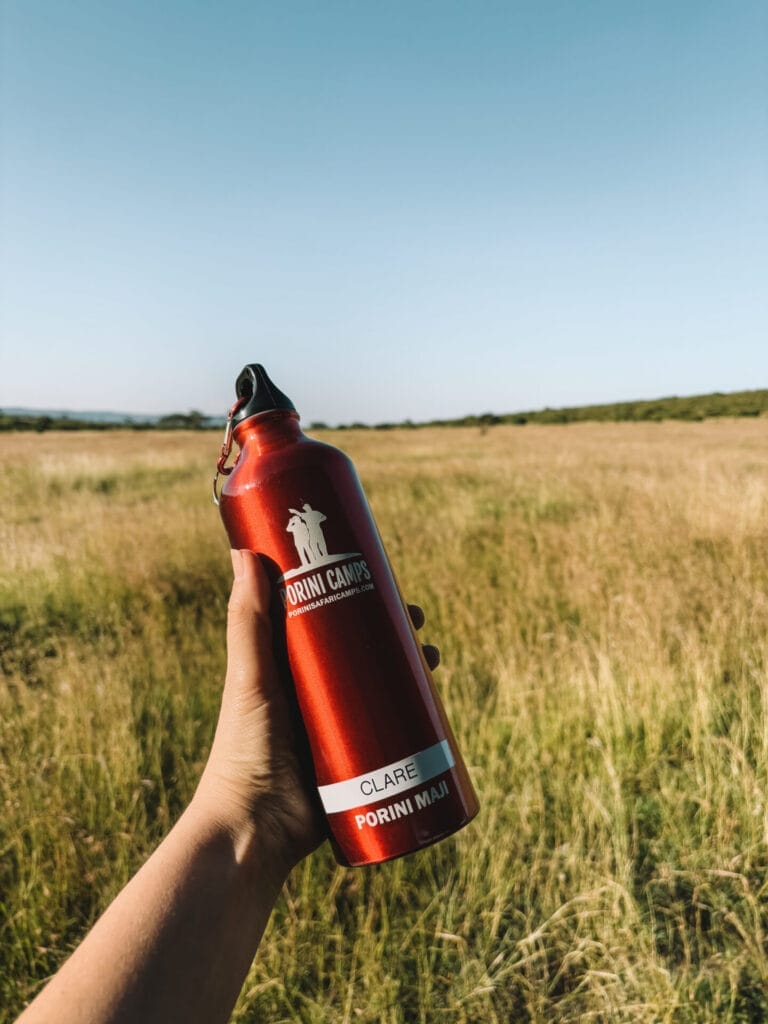
At Gamewatchers Safaris & Porini Camps, water conservation is woven into our ethos and tourism model. Our focus on every tent protecting 700 acres of habitat including vital springs, streams, riverine forests and swamps. It is also intertwined into camp life. Recycled glass bottles replace single-use plastics, reusable dispensers and aluminium bottles keep waste down, and locally crafted solutions support both sustainability and community artisans. Water-saving choices from safari bucket showers to adapted toilets reflect the Maasai community’s long-held respect for water, ensuring this precious resource is used responsibly every day.
Gamewatchers Safaris champions conservation through responsible tourism, working hand-in-hand with Maasai communities to protect wildlife and sustain livelihoods. Through our low-impact Porini Camps and eco-focused operations, every safari directly supports the long-term preservation of the Maasai Mara ecosystem.
A Shared Responsibility
World Water Day serves as a reminder that protecting water requires collaboration between researchers, conservation organizations, local communities, and responsible tourism initiatives.
From scientific discoveries unfolding beneath the Mara River’s surface to sustainable practices within safari camps, each effort contributes to safeguarding freshwater resources for the future.
By valuing water, conserving it thoughtfully, and supporting research that deepens understanding of natural ecosystems, the Mara landscape continues to demonstrate how conservation and tourism can work together in harmony.
By Leocadia Adhiambo