

Skip to content

Luxury African Photo Safari Tours

Flexible, ethical photography safaris designed around lighting, time, and freedom, rather than crowds and constraints.

Our photo safaris in Africa are specially tailored for professional photographers shooting for exhibitions, selling fine art prints, people looking to update or build a portfolio, or anyone highly invested in photography as a hobby. They are all-inclusive of food and drink, and you’ll be staying at comfortable lodges or camp sites with modern amenities.
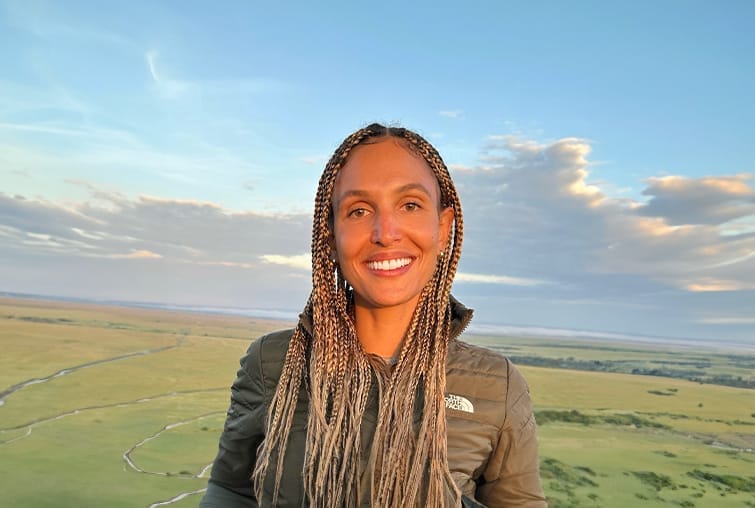
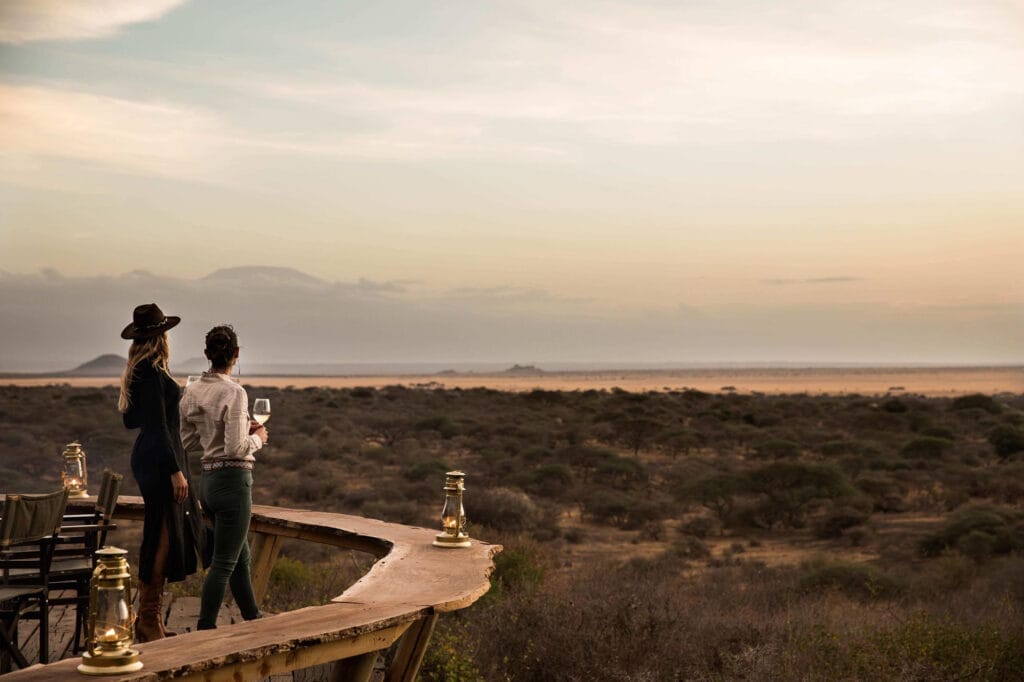
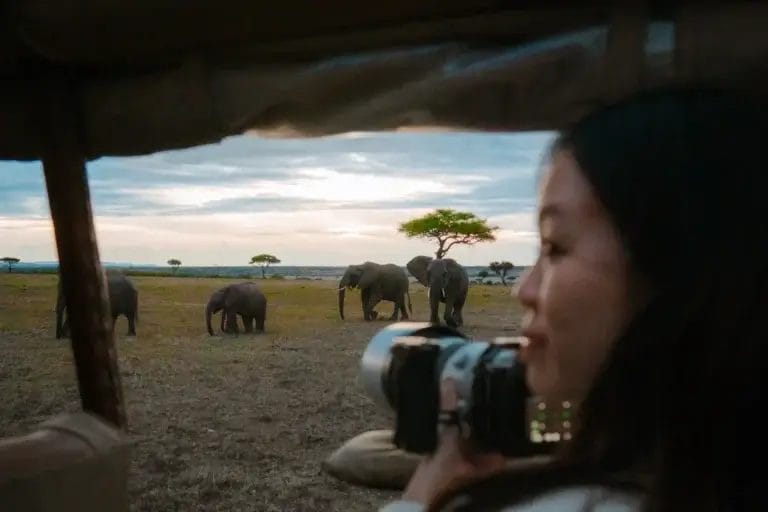
A lady holding professional camera overlooking a classic wildlife photography scene taken from Porini Safari Cottages in Ol Kinyei Conservancy in Kenya. Photo credit Celine & Sacha

Safari’s built around light, not schedules.

Start before sunrise and get into a fantastic position as the light arrives. Shoot in golden and blue light rather than harsh mid-day sun and stay out into the late afternoon and evening, not returning until after sunset.

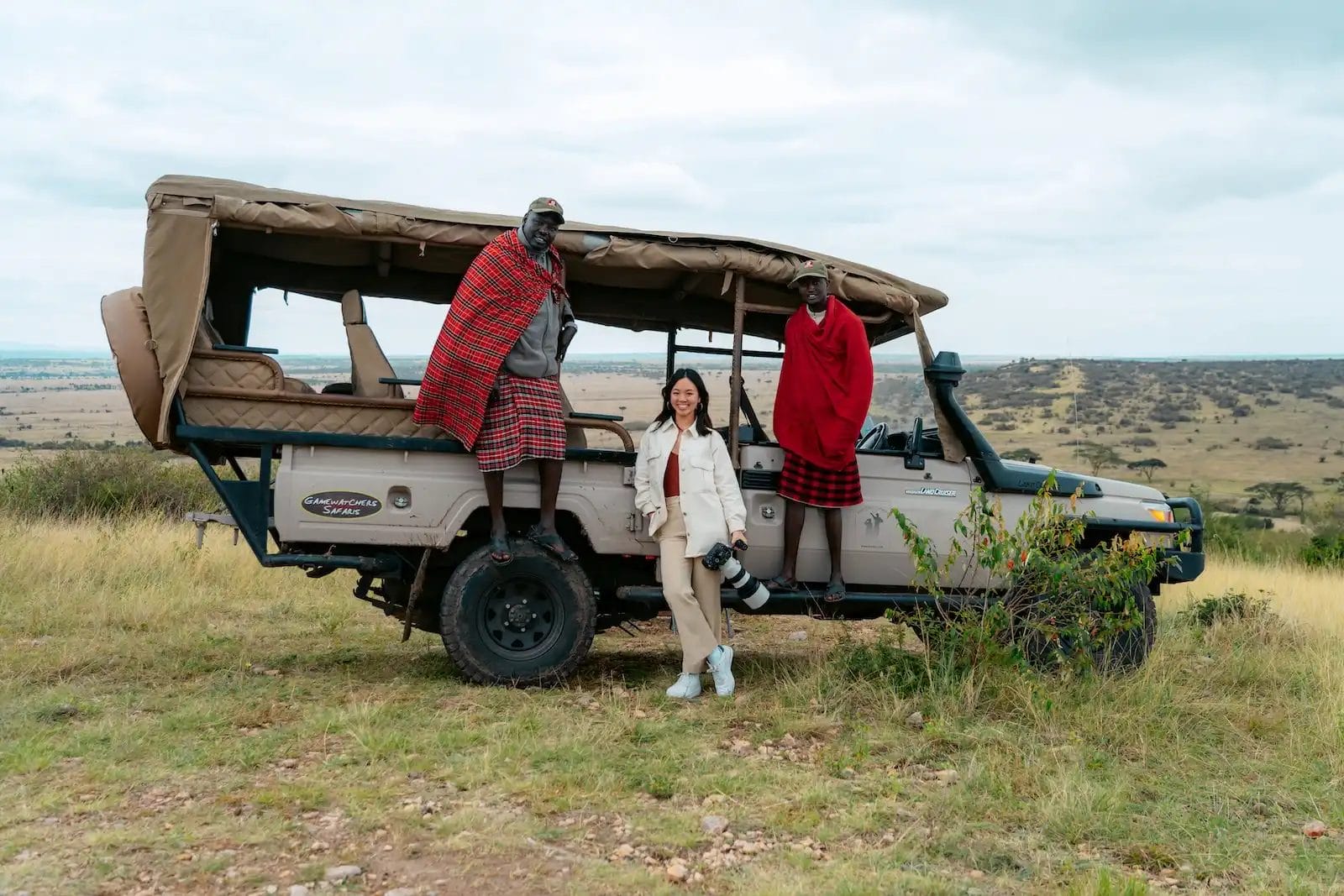
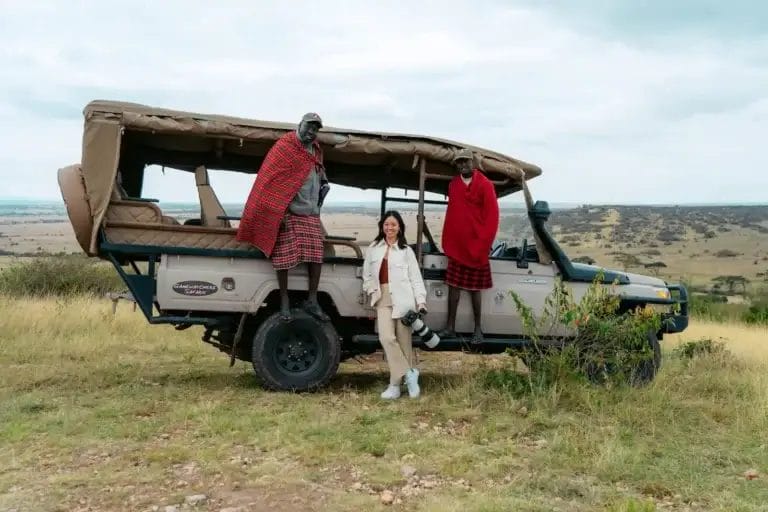
A lady holding professional telephoto lens with two Massai safari guides stating by safari vehicle at in Ol Kinyei Conservancy in Kenya. Photo credit Celine & Sacha

Specialist photography safari vehicles.

Spacious vehicles allow plenty of room to move side to side and to rest and steady your camera without jostling with another photographer.

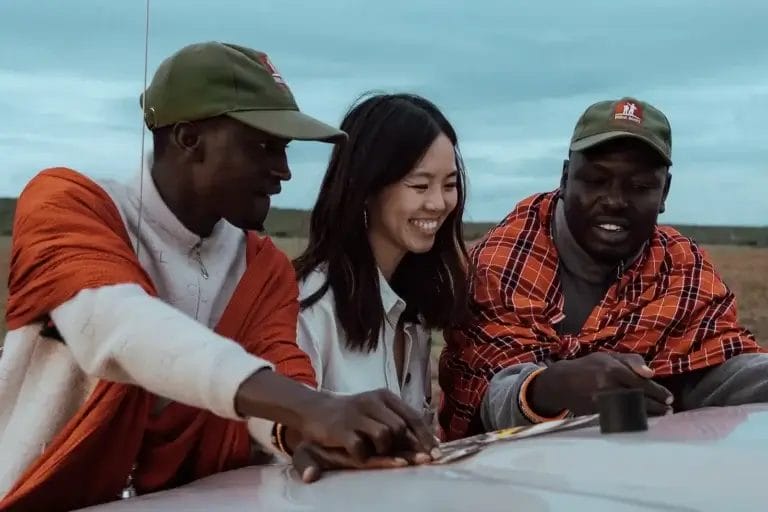
Professional Maasai Guides look over map with lady guest taken from Porini Safari Cottages in Ol Kinyei Conservancy in Kenya. Photo credit Celine & Sacha

Guides are collaborators, not drivers.

Safari with professional guides who understand animal behaviour and can anticipate movement rather than chase sightings. They all know how to position the vehicle perfectly for the right angle and light.

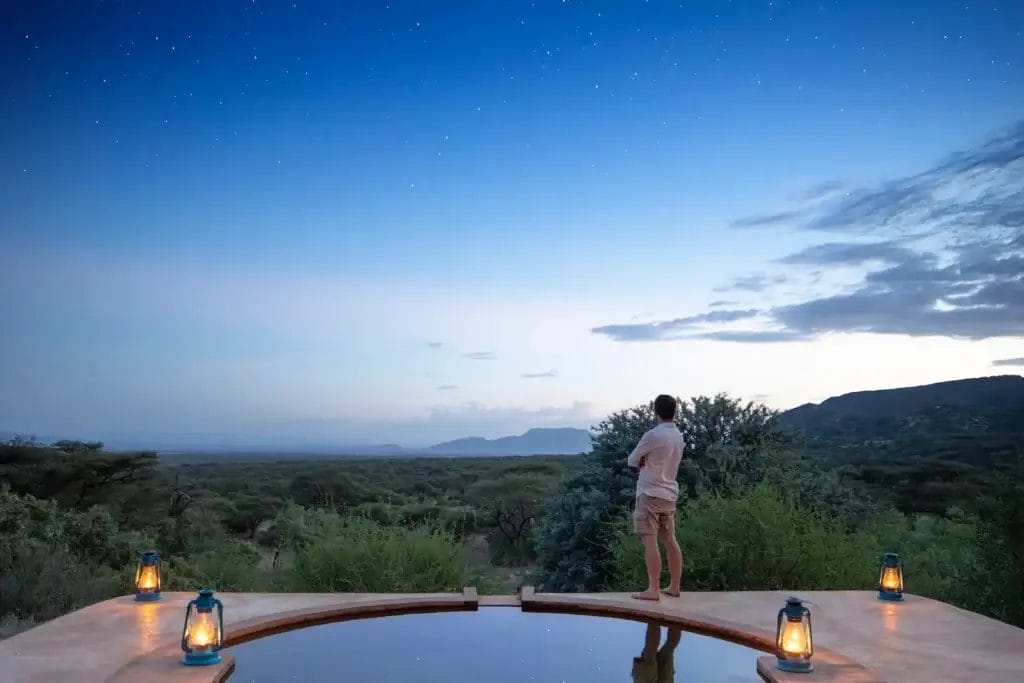
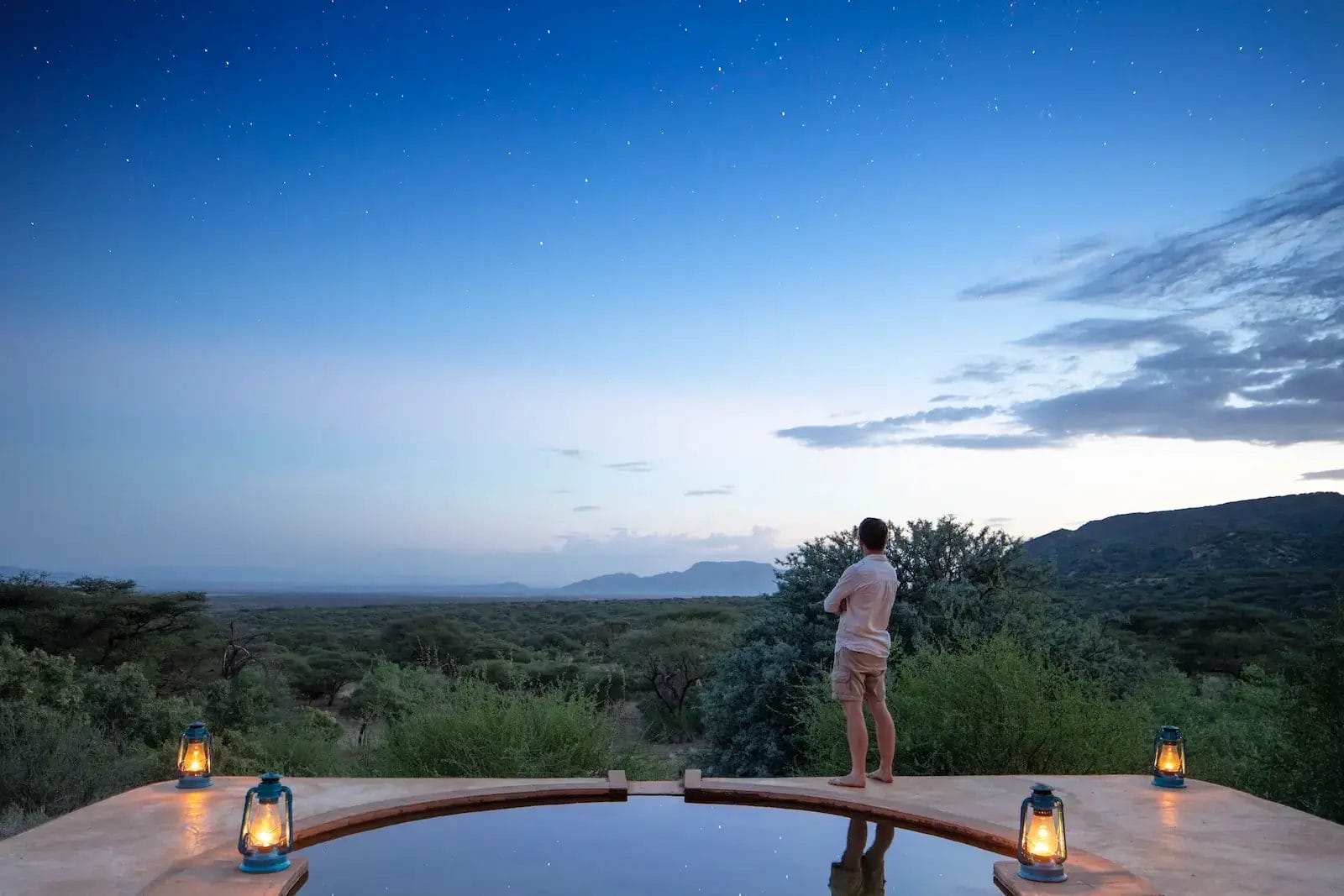
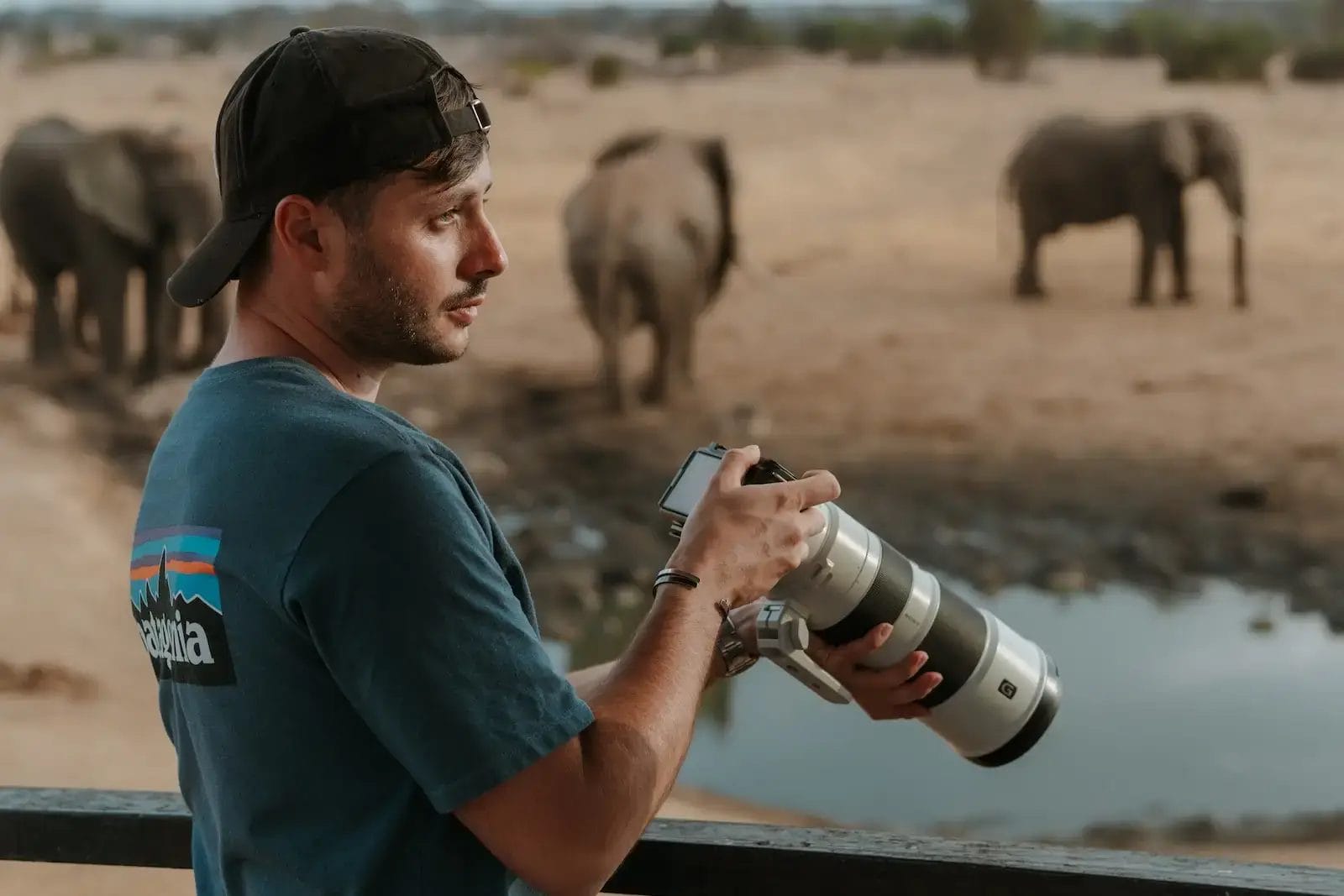
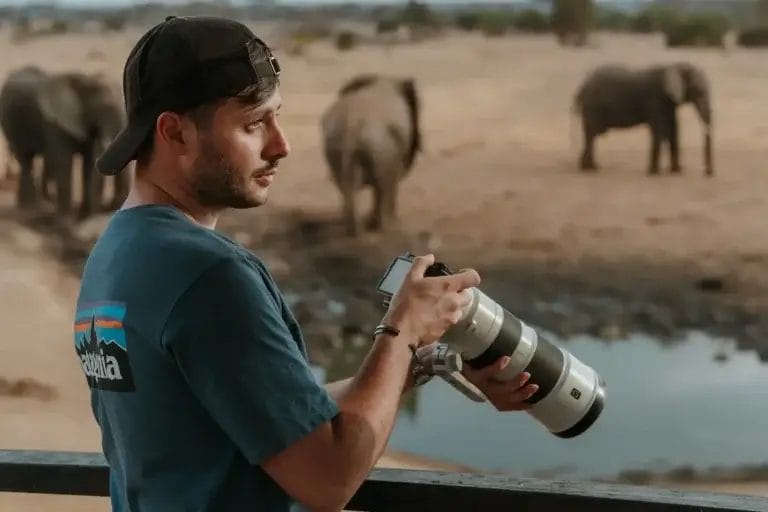
A man holding professional telephoto lens overlooking a classic wildlife photography scene taken from our specialised viewing platform at Porini Amboseli Camp in Selenkay Conservancy in Kenya. Photo credit Celine & Sacha

Everything you need as a professional photographer.

Including media tents with charging points, space and time to review your images, reliable power sources for your batteries and memory cards, wildlife hides at waterholes and night photography opportunities.

A photographers dream trip
Paul G
The camps and the staff offer close to nature experience whilst providing first class service and personalised care. For photographers the camps provide plenty of charging and a photographers work area, the camp staff understand your needs - from an early morning coffee to a G&T while editing your images in the evening. The drivers, spotters and vehicles are tuned for photographers and the ability to be off road and close to the animals offers unrivalled photographic opportunities. To sit and wait and observe natural behaviour and interactions in an undisturbed environment is a the heart of photographic opportunity.
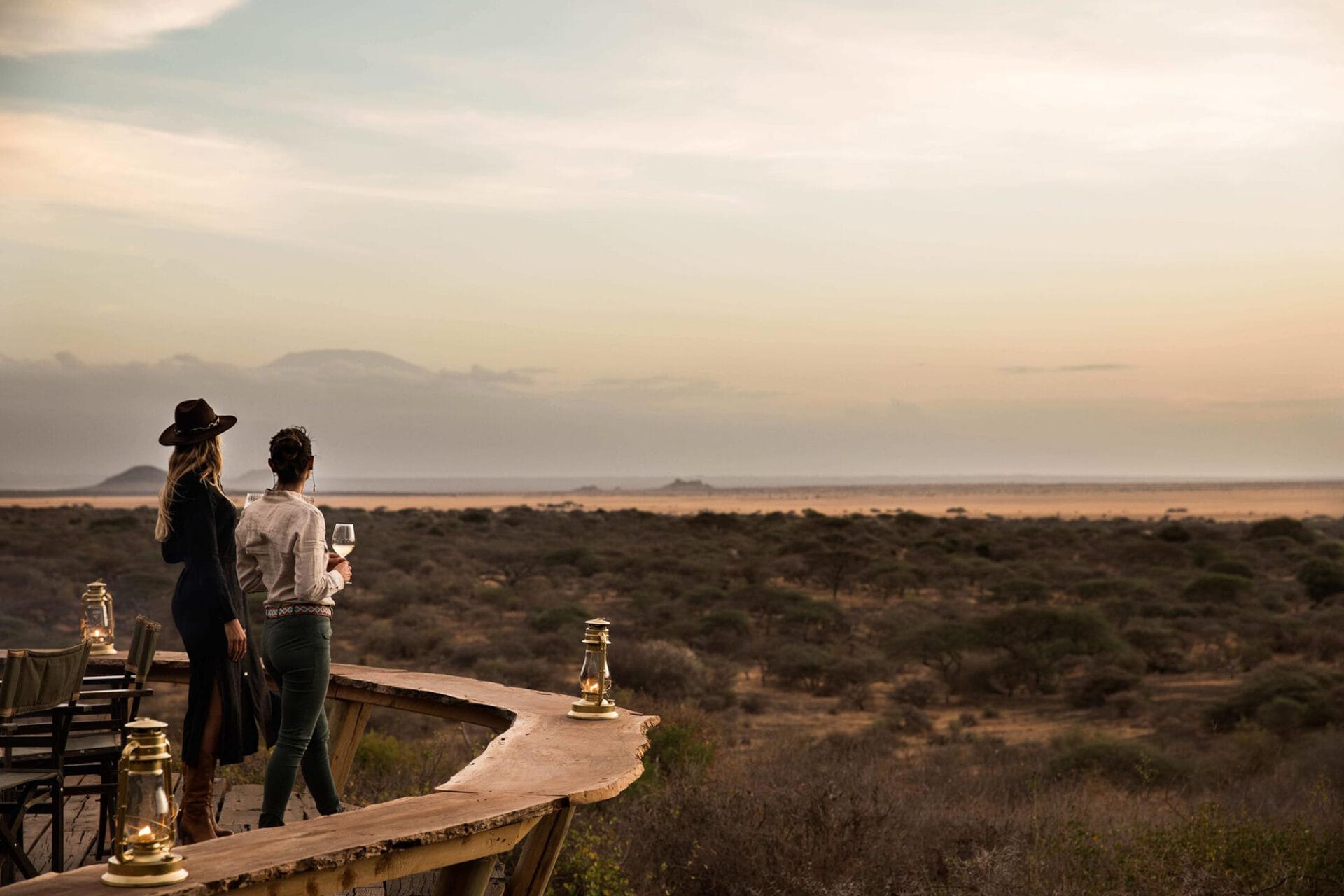
A lady holding professional camera overlooking a classic wildlife photography scene taken from Porini Safari Cottages in Ol Kinyei Conservancy in Kenya. Photo credit Celine & Sacha

Safari’s built around light, not schedules.

Start before sunrise and get into a fantastic position as the light arrives. Shoot in golden and blue light rather than harsh mid-day sun and stay out into the late afternoon and evening, not returning until after sunset.

A lady holding professional telephoto lens with two Massai safari guides stating by safari vehicle at in Ol Kinyei Conservancy in Kenya. Photo credit Celine & Sacha

Specialist photography safari vehicles.

Spacious vehicles allow plenty of room to move side to side and to rest and steady your camera without jostling with another photographer.

Professional Maasai Guides look over map with lady guest taken from Porini Safari Cottages in Ol Kinyei Conservancy in Kenya. Photo credit Celine & Sacha

Guides are collaborators, not drivers.

Safari with professional guides who understand animal behaviour and can anticipate movement rather than chase sightings. They all know how to position the vehicle perfectly for the right angle and light.

A man holding professional telephoto lens overlooking a classic wildlife photography scene taken from our specialised viewing platform at Porini Amboseli Camp in Selenkay Conservancy in Kenya. Photo credit Celine & Sacha

Everything you need as a professional photographer.

Including media tents with charging points, space and time to review your images, reliable power sources for your batteries and memory cards, wildlife hides at waterholes and night photography opportunities.

A photographers dream trip
Paul G
The camps and the staff offer close to nature experience whilst providing first class service and personalised care. For photographers the camps provide plenty of charging and a photographers work area, the camp staff understand your needs - from an early morning coffee to a G&T while editing your images in the evening. The drivers, spotters and vehicles are tuned for photographers and the ability to be off road and close to the animals offers unrivalled photographic opportunities. To sit and wait and observe natural behaviour and interactions in an undisturbed environment is a the heart of photographic opportunity.

Enjoy almost zero restrictions on your photography safari at our Porini camps in Kenya.

Porini Camps are set within exclusive private conservancies, not national parks, giving photographers a level of freedom that is increasingly rare in East Africa. 

Here, you can go off-road, stay with sightings, and leave camp before sunrise or return after sunset, allowing you to work with light, movement and behaviour rather than fixed schedules.

With strict limits on vehicle numbers (only one safari vehicle per 1,400 acres), wildlife encounters are calmer, less crowded, and far more natural. Combined with expert guides who understand both animal behaviour and photographic positioning, Porini’s conservancies give photographers the time and space to wait for the right moment, not rush past it.

Wildlife Photography Hides in Kenya

Wildlife photography hides offer a low-impact way to photograph animals at close range while allowing them to behave naturally and undisturbed.

Positioned at waterholes or natural wildlife corridors, hides provide eye-level perspectives that are rarely possible from a safari vehicle, resulting in more intimate and authentic wildlife images.

For photographers, hides encourage patience, observation, and respect for the environment. They also support conservation by reducing vehicle pressure and human presence around wildlife. In Kenya, several camps and lodges — particularly within private conservancies — feature purpose-built photographic hides that offer exceptional opportunities for ethical, high-quality wildlife photography.

Safari photography holidays across Eastern, Southern and Central Africa.

The only problem is that there isn’t enough time to see them all. Here are some of our favourite locations and notable landscapes for an African photography tour:

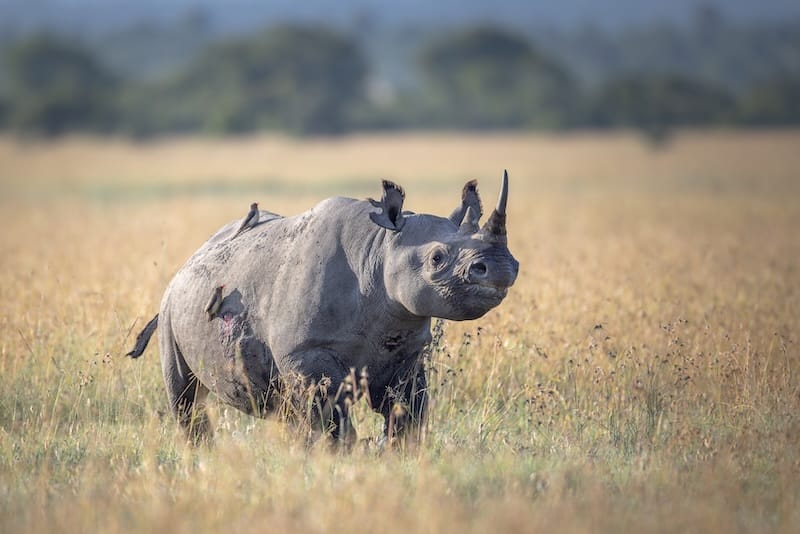
Kenya  – Our Porini conservancies in Selenkay, Mara, Ol Pejeta and other areas cap tents at one per 700 acres and vehicles at one per 1,400 acres, giving photographers crowd‑free, Big Five encounters. Key landscapes include Amboseli’s elephant‑dotted plains, the savannahs of the Maasai Mara and the rhino sanctuaries of Laikipia.

Tanzania – Serengeti National Park (site of the Great Migration) and the wildlife‑rich Ngorongoro Crater headline most itineraries.

Uganda – the Bwindi Impenetrable Forest and Mgahinga Gorilla National Park shelter over half the world’s mountain gorillas. Game drives in Queen Elizabeth National Park, boat safaris on the Nile at Murchison Falls, chimp trekking in Kibale National Park, and the rugged Kidepo Valley also offer stunning photographic variety.

Republic of the Congo – The Congo Basin is a seldom-visited wilderness and contains the world’s second‑largest rainforest; lowland gorilla treks, forest elephant sightings and remote bai clearings in parks such as Odzala–Kokoua.

Zambia – South Luangwa National Park, Lower Zambezi National Park and Lake Kariba offer intimate wildlife encounters. The country’s low population density and landmarks like Victoria Falls and the Zambezi River also offer dramatic backdrops. 

For more information on finding the perfect trip, arrange a consultation with one of our safari specialists.

Book a photography safari tour with our expert Alison Mees.

These tours are open to photographers of all levels, including beginners.

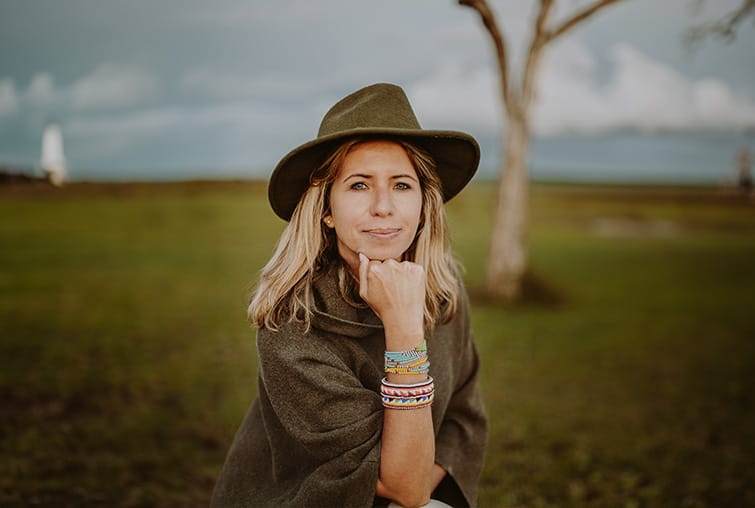
Alison Mees is a wildlife conservationist, qualified guide and award-winning photographer, who gained the ARPS (Associate of the Royal Photographic Society) in 2021.

Here are the trips Alison is running in 2026 & 2027.

Read more here: Alison Mee’s Masai Mara photography workshops

Photography Safari Stories

Explore inspiring blogs and guest stories about photography safaris in Africa. From first-hand reviews to expert tips explore how a photographic journey can offer a unique blend of creativity, adventure, and authentic wildlife encounter.

Experience the ultimate paradise for photography enthusiasts at our camps. Jeevan, a talented photographer from the USA, shares his first-hand experience and insights from a photography enthusiast’s perspective.

Experience the ultimate paradise for photography enthusiasts at our camps. Jeevan, a talented photographer from the USA, shares his first-hand experience and insights from a photography enthusiast’s perspective.

Safari Photography Equipment

Enhance your safari photography with our practical tips. Make the most of golden-hour light, compose with intention, and use wildlife behaviour to capture stronger, more impactful images.

Talk to a Specialist

Choose a Safari Specialist in your time zone and start planning your tailor-made safari.

Talk to a Specialist

Choose a Safari Specialist in your time zone and start planning your tailor-made safari to Africa.

FAQs — African photo safari tours.

Do I need to be a professional photographer?
No.  Our tours are for professionals and serious, ambitious amateurs. If you’re a beginner looking to experience a tour, then you might be interested in Alison Mee’s trips (see above).  
How close can we get to wildlife?

Very close, sometimes within 10-20 feet, but never at the expense of safety or animal welfare. This is made possible by highly trained, certified guides who read animal behaviour in real time and reposition or pull away immediately if any signs of stress are detected.

The priority is always respect for the wildlife first, with great images coming as a result of patience, space and ethical judgement rather than proximity alone.

What’s the vehicle density like on a photography safari that isn’t situated on your Porini conservancies?
Most camps and lodges typically operate vehicles with a maximum of six guests (including our Porini Camps). This setup generally allows each guest a window or open-side seat. For greater flexibility, uninterrupted positioning, and increased privacy—particularly important for photography—it’s recommended to book a private vehicle, which offers a more tailored and exclusive experience.
Is the light good enough outside peak seasons?
Yes, on our Porini conservancies especially. The light is excellent year-round because photography on our private conservancies is not limited by park hours, allowing early starts before sunrise and late finishes when light is best, while wildlife activity remains strong outside peak seasons through waterhole concentrations in the dry months and calving and predator action after the rains.
Where do I charge equipment and backup images?
Most camps and lodges provide facilities for charging camera equipment, as well as suitable areas to edit photographs and back up images. Some camps also offer dedicated media tents for photographers—Porini Lion Camp is one such example, providing a purpose-designed space for charging and editing.
What camera gear is recommended for a photography safari?
A DSLR or mirrorless camera, telephoto lens (300–600mm), wide-angle lens for landscapes, extra batteries, memory cards, and dust protection are recommended. Bean bags are often more practical than tripods in vehicles. See more on  Safari Equipment Information

Is Wi-Fi available for uploading images?
Wi-Fi is usually available in most camps & lodges but may be limited or slow due to remote locations. Photographers are advised to rely on portable hard drives rather than cloud backups while on safari.
What’s included in your all-inclusive safari holidays?
Everything you will need! At a glance, here are some of the key things we offer:
  • Exciting game drives with private-use vehicles ensure you get close to Africa’s wildlife, with plenty of opportunities for photography.
  • Night drives
  • Guided walks 
  • All meals and drinks
  • Conservancy & national park fees (no surprise costs).
  • Airstrip transfers (seamless transfer from plane to camp).
  • Laundry in most camps
We can also arrange internal flights and hotel nights on your behalf, reducing your travel planning stress.
Can your Photography Safaris be combined with beach holidays?

Yes — many travellers extend their photography safari with a beach stay, combining wildlife and coastal relaxation.  

Explore our beach destinations for more inspiration.

Curating ultimate tailor-made safari experiences for 35 years

Username*
Email*
Password*