






January in Madagascar brings warm, humid, and wet conditions, with up to 340 mm (13 inches) of rainfall. The east coast gets the most rain, prompting visitors to favor the slightly drier south. This season, prone to floods, makes roads to national parks hazardous. Some accommodations may close, making it less favorable for travel. From January to March, the rainy season, though causing river-related isolation in remote areas, offers cost benefits like cheaper airfares and accommodation, with fewer tourists.
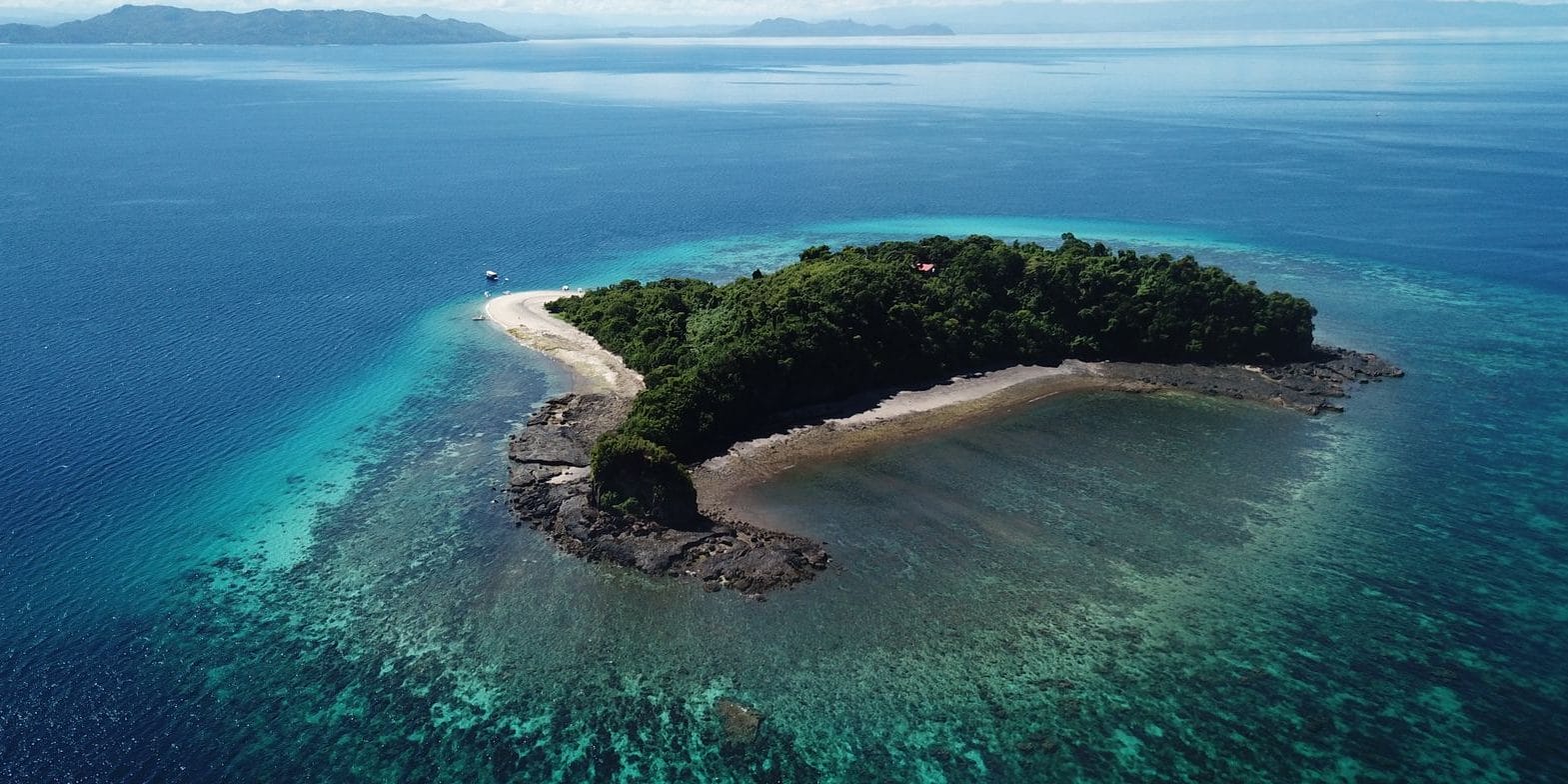
February in Madagascar beckons botanists with a vibrant display of orchids amidst the rain-soaked landscapes. Embrace the allure of the island’s distinctive flora, as enthusiasts navigate the challenges of the rainy season.
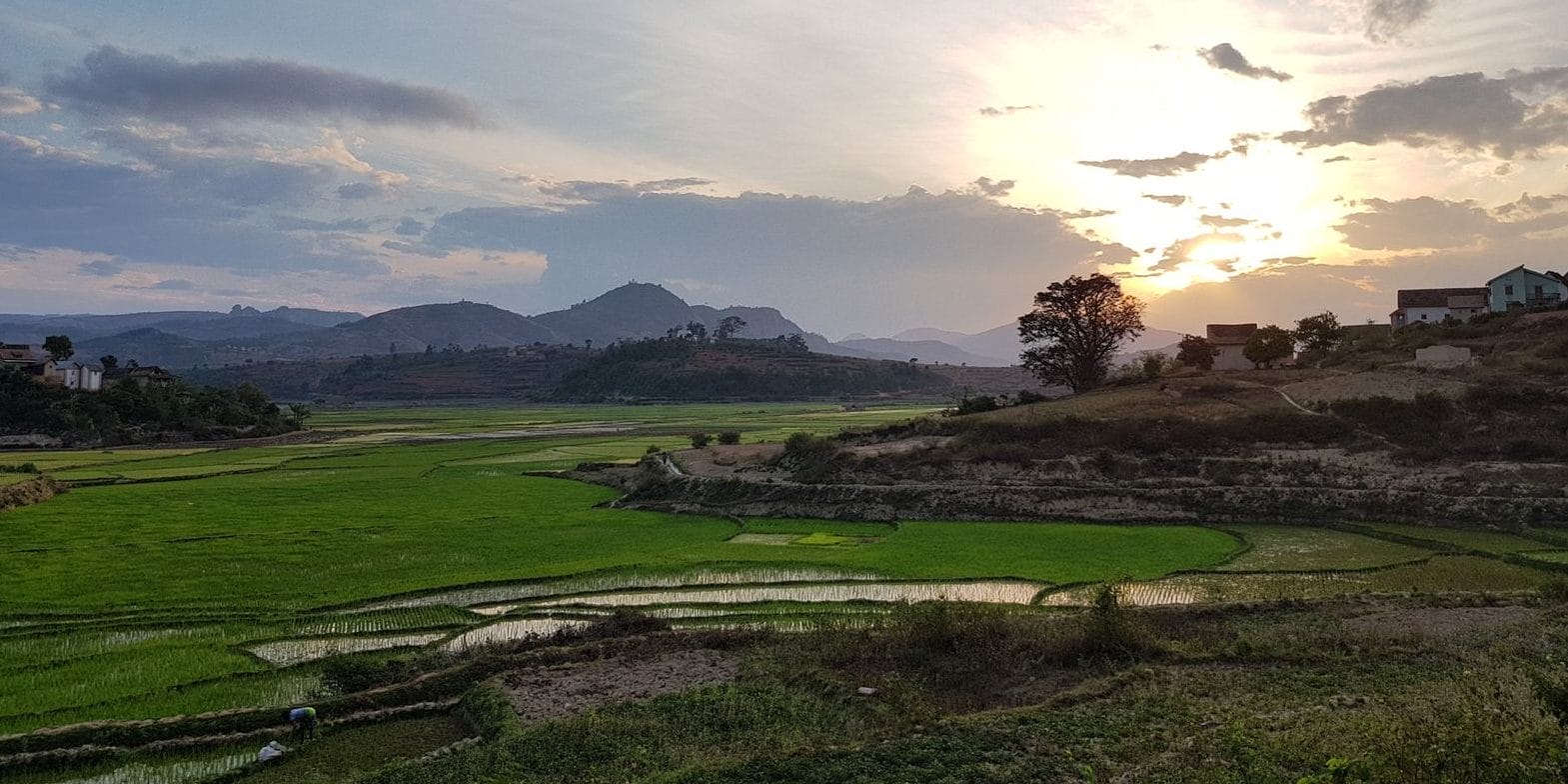
March welcomes the persistent rainy season, rendering some remote locales challenging to reach due to swollen rivers. However, this time presents off-peak advantages, allowing for economical travel with fewer fellow tourists. Ideal for budget-conscious explorers seeking unique experiences.
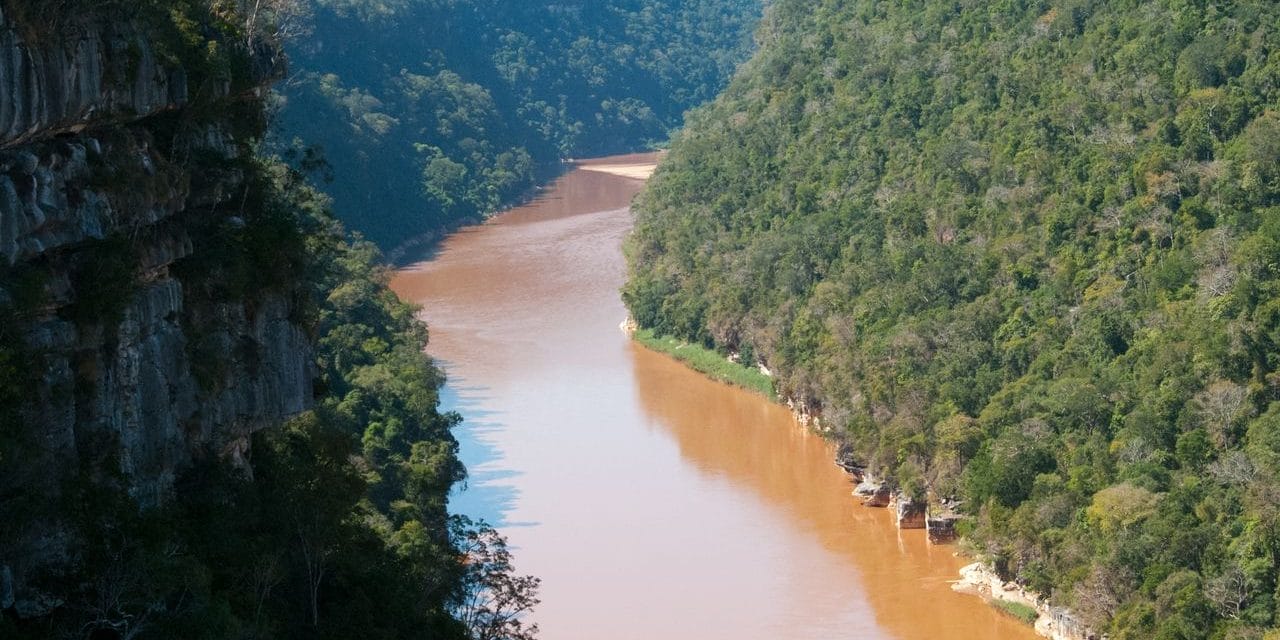
April in this region marks the end of the wet season, transforming the countryside into a vibrant canvas of blooming flora. The lush landscapes create an idyllic setting for hikers and nature enthusiasts alike. Birdwatchers will find April particularly rewarding, as it presents the optimal conditions for observing a diverse array of bird species.
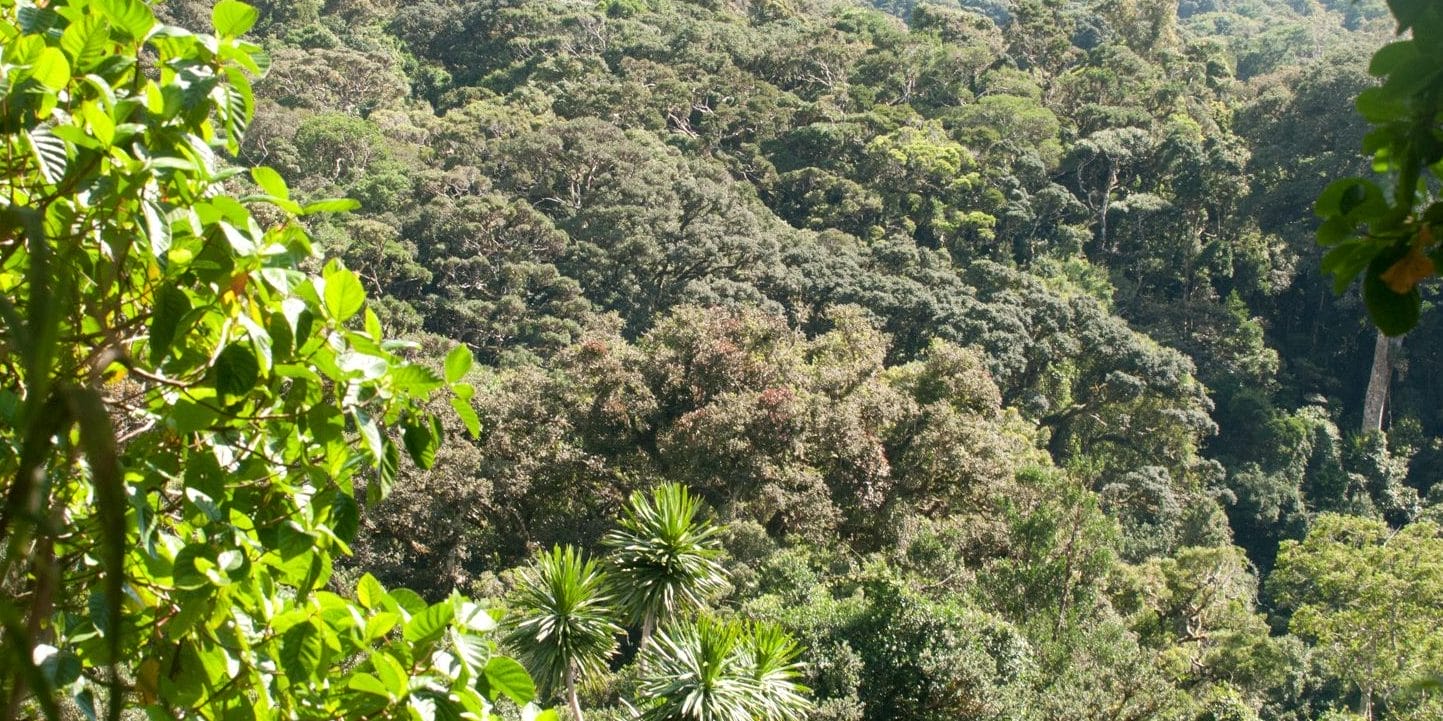
That sounds like a wonderful description of the transition from spring to summer, with the blooming flora creating a picturesque scene. National parks indeed offer stunning landscapes during this time, providing great opportunities for photography and enjoying the beauty of nature. If you’re planning a visit, make sure to check the specific conditions and activities available in the national park you’re interested in. Whether it’s hiking, wildlife viewing, or simply taking in the scenic views, I hope you have a fantastic time! If you have any specific questions or need information about a particular national park, feel free to ask.
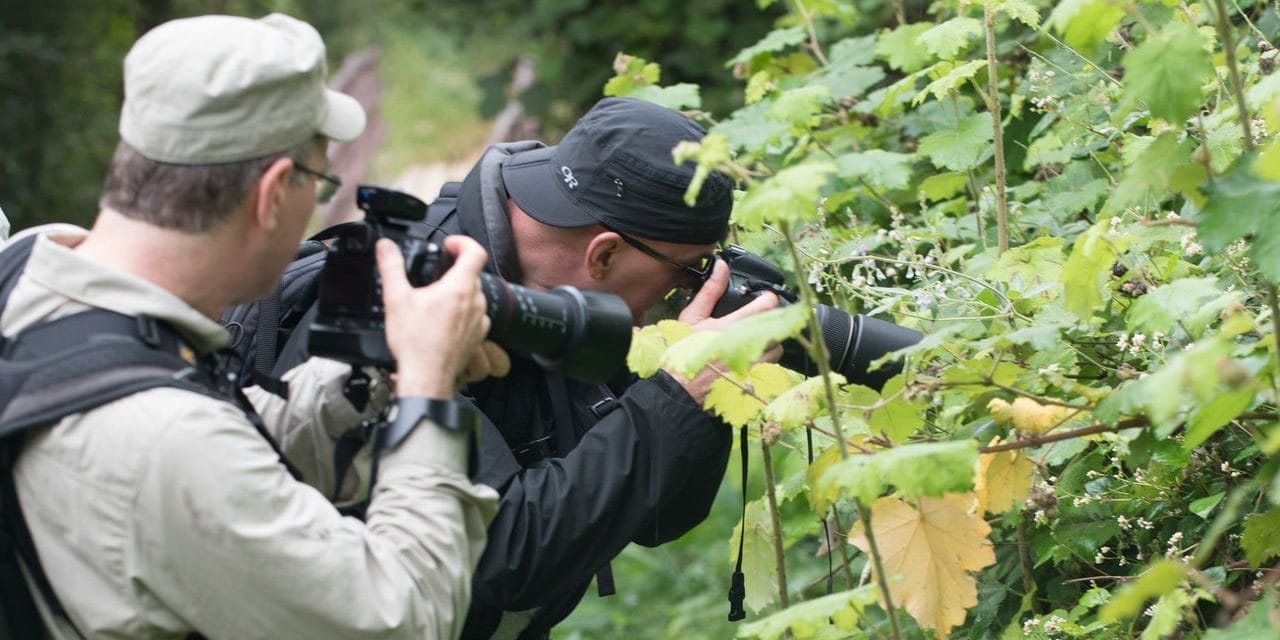
June in Madagascar offers clear coastal weather and cool temperatures, providing ideal conditions for beach days. It signals the beginning of whale season. The island’s dry months generally span April to September, but rainfall patterns vary widely across regions.
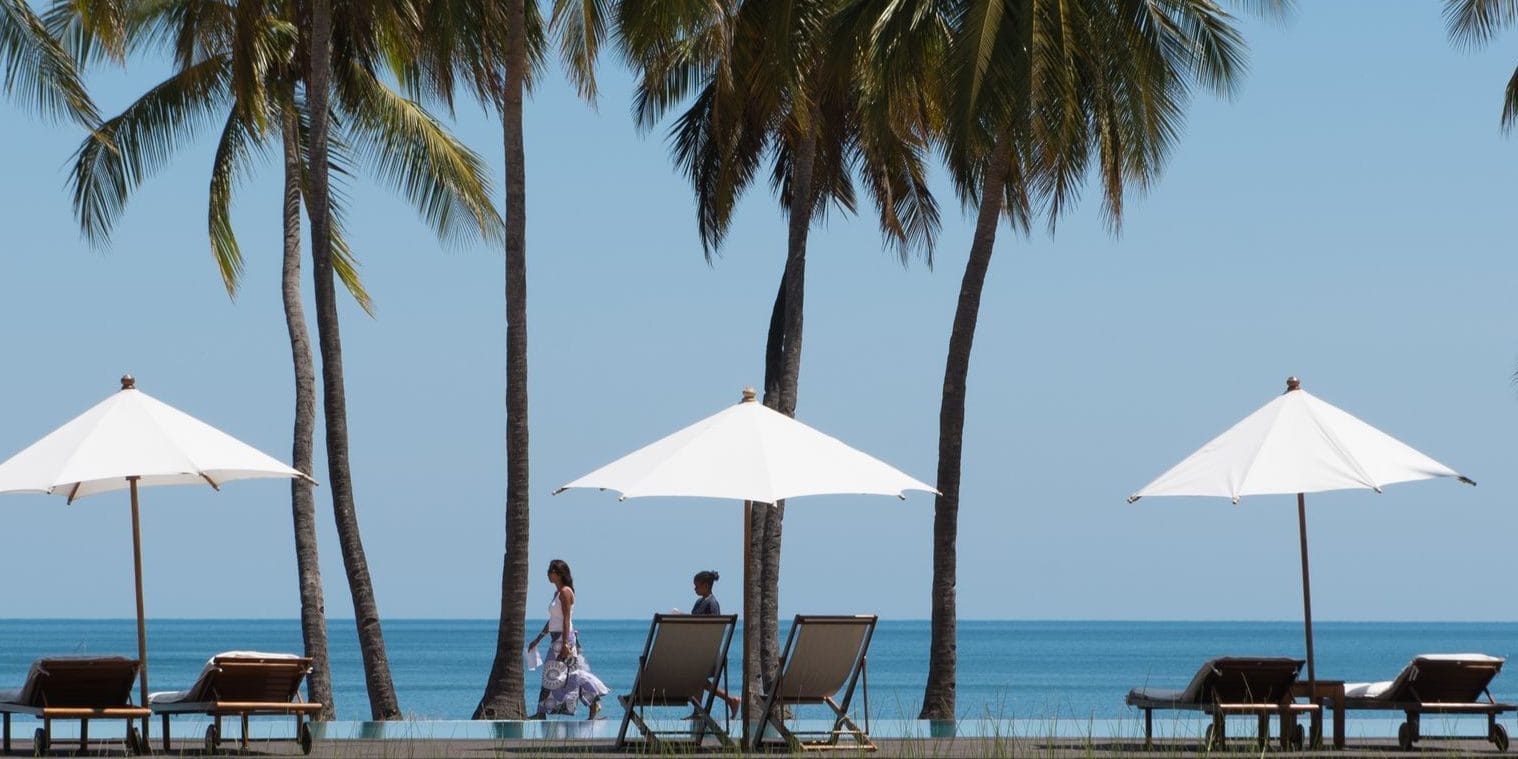
July marks the beginning of Madagascar’s peak season, making advanced bookings crucial for an optimal visit. Positioned in the middle of the Madagascan winter, the temperatures are cooler compared to other months, creating ideal conditions for exploring the island’s rainforests. However, steer clear of July/August and the Christmas/New Year period to avoid crowds at popular destinations.

August mirrors July’s cool climate, making it the prime time to visit Madagascar. The peak season offers optimal conditions for scuba diving and snorkeling. Avoid the crowded periods of July/August and Christmas/New Year.
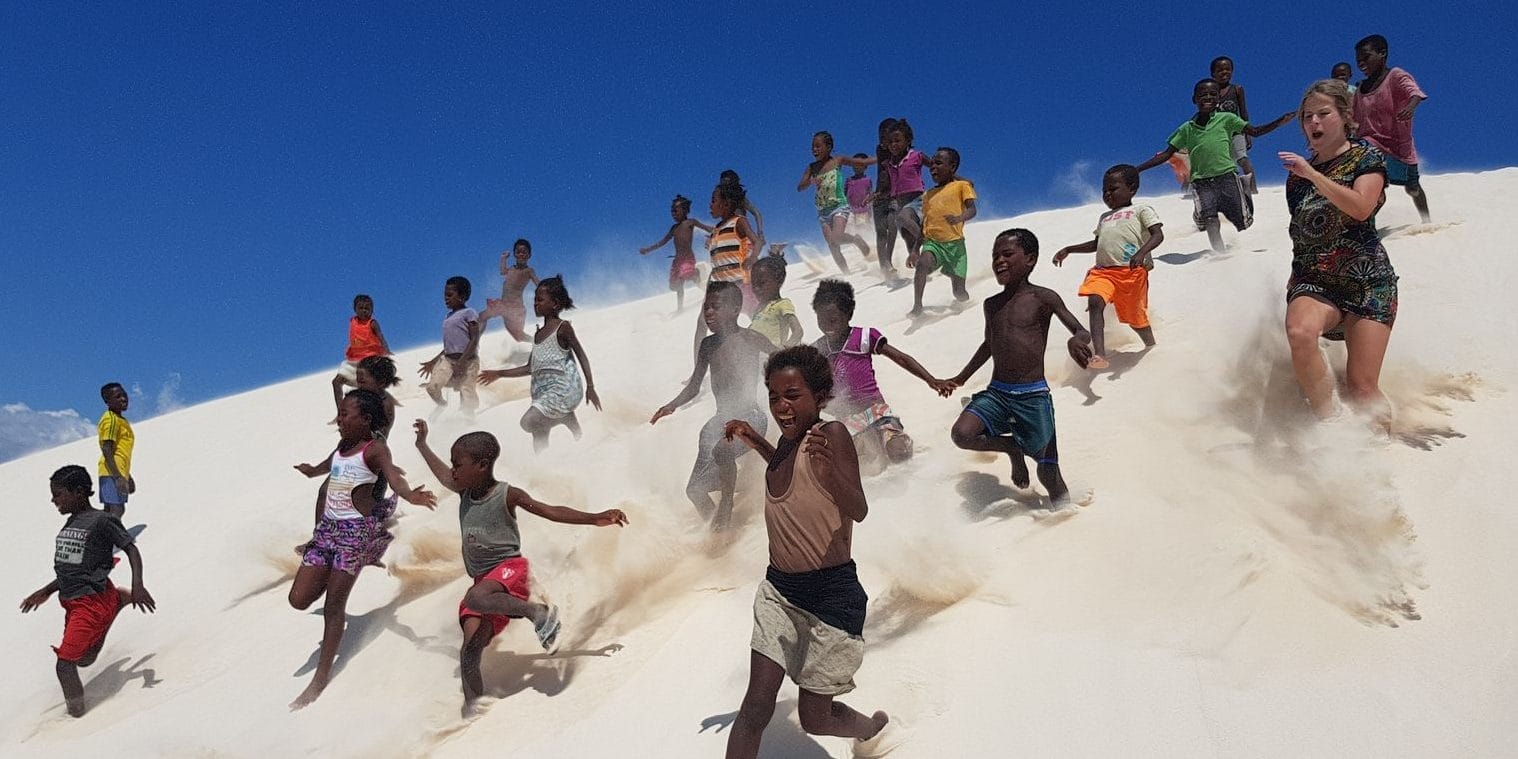
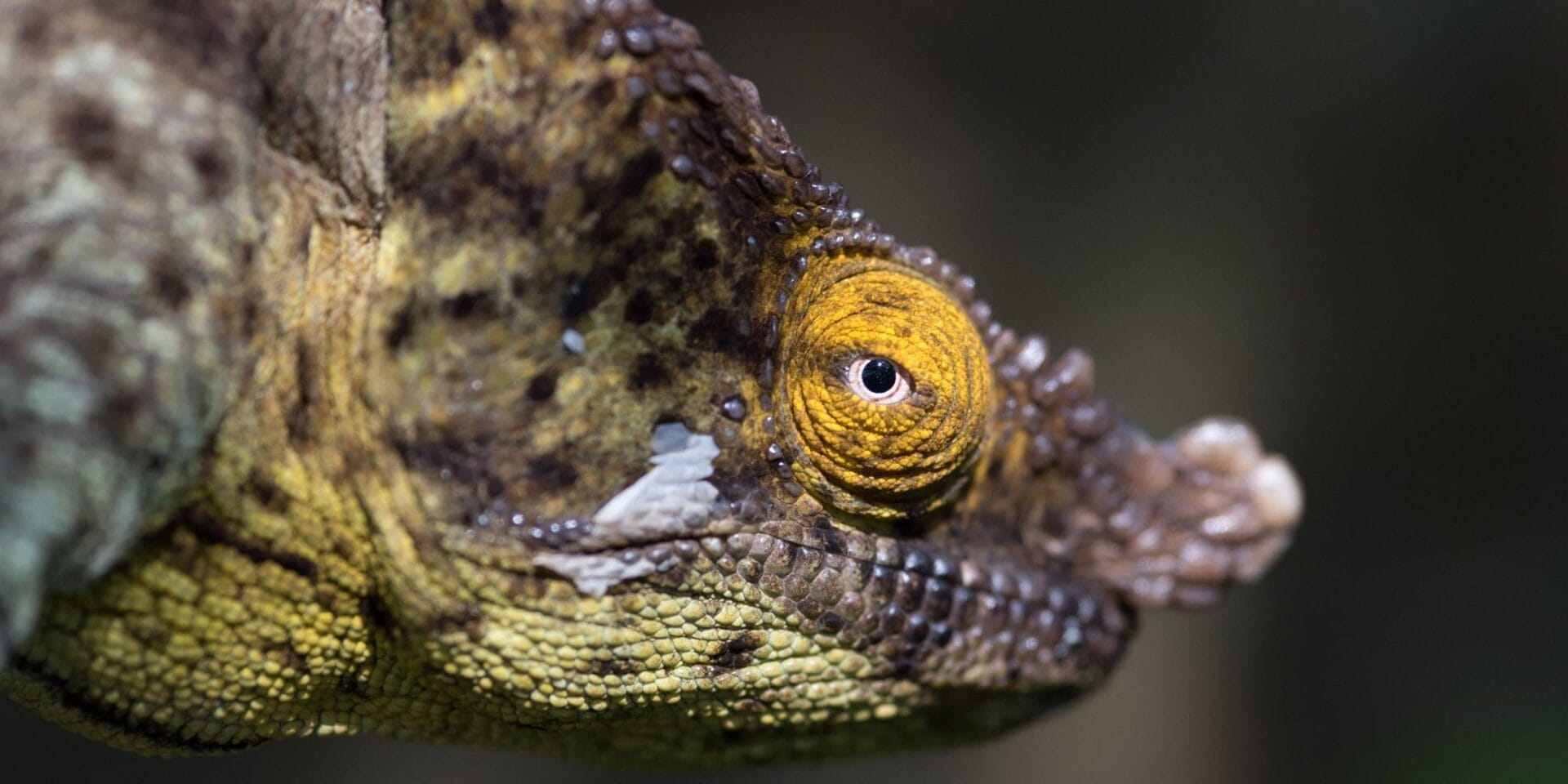
September in Madagascar signals the end of the cooler season, ideal for safaris. Rising temperatures bring out local wildlife like chameleons, lemurs, and lizards in the desert plains and jungles. It’s the last chance for whale watching as humpbacks return to Antarctic waters. While pleasant, September is often windy in the south.
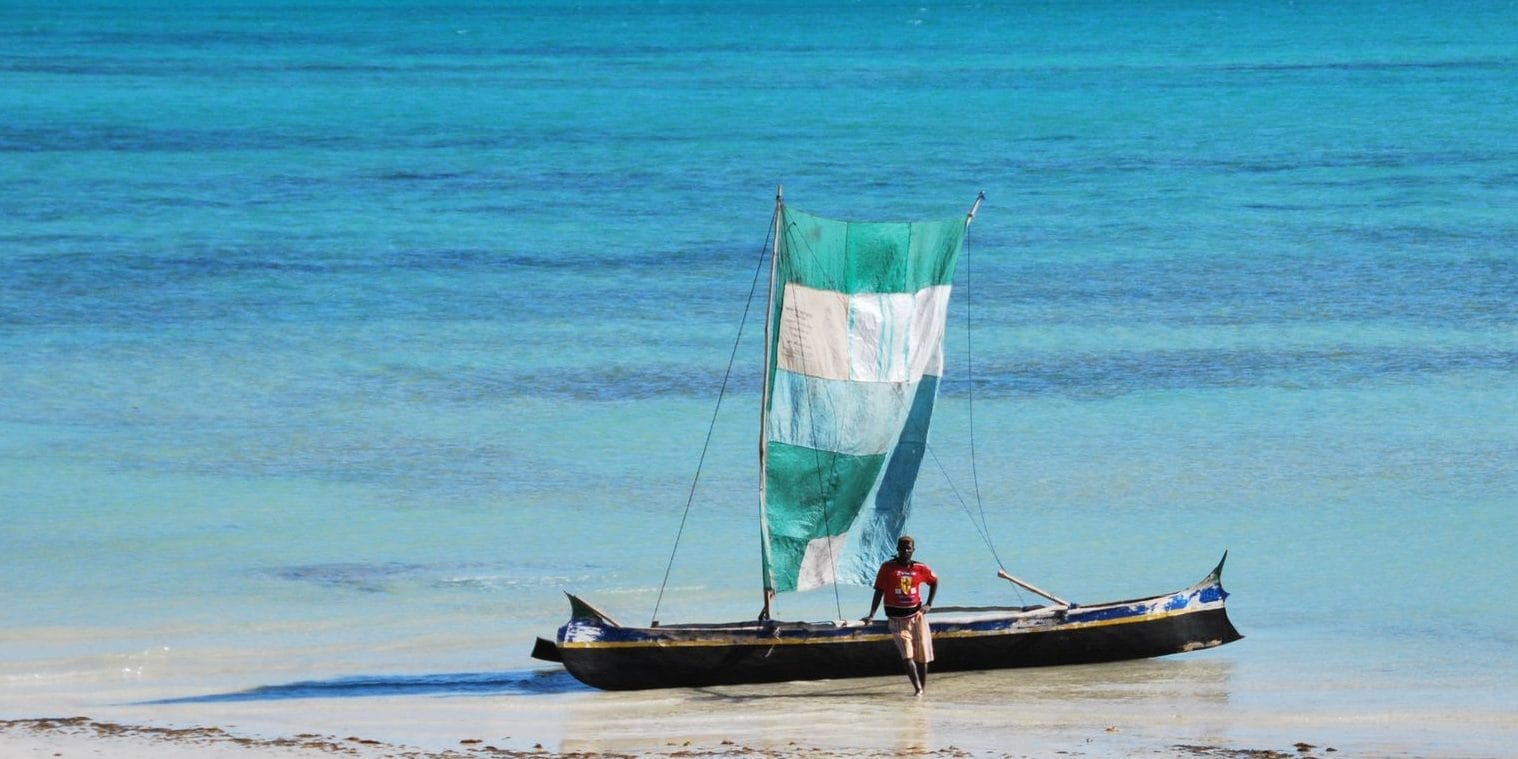
Optimal for wildlife enthusiasts, October is prime for lemur encounters in Madagascar during their breeding season. Ringtail lemurs, born in September, fill the islands, creating a unique experience. The month also boasts ideal beach conditions, offering clear underwater visibility for scuba diving and excellent surfing conditions. For a perfect visit, our recommended months are October and November, featuring pleasant weather, blooming jacarandas, adorable lemur offspring, and the chance to savor roadside lychees in the east.

November marks the onset of summer in Madagascar, just before the rainy season. Ideal for visits, the breeding season enhances birdwatching, while active wildlife, including geckos, frogs, chameleons, and lemurs, can be spotted across tourist hotspots like Nose Be and Tana. Optimal months are October and November for pleasant weather, blooming jacarandas, lemur offspring sightings, and roadside lychee stalls in the east, providing a captivating experience without excessive heat.
December signals the onset of Madagascar’s rainy season, marked by intense heat. Travelers should be cautious of tropical storms due to heavy rainfall, making early-month visits preferable. Steer clear of the Christmas/New Year rush to avoid crowds at popular destinations.