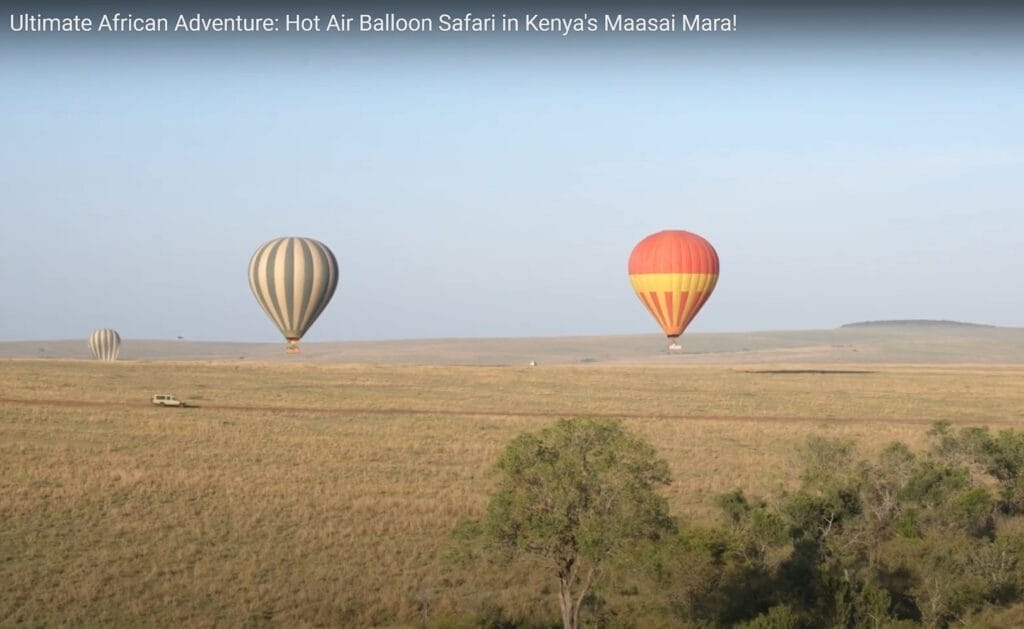
What better way to enhance an African safari than to experience the landscape and wildlife from the air?
Visitors to the Masai Mara can opt to add a hot air balloon excursion to their stay and our latest video, courtesy of Mark Rowe, gives an insight into what can be expected.
Balloon expeditions start in the early hours with fresh coffee and a flight briefing. Flights start just after 6 am and soar high over the Great Rift Valley with breathtaking views of the surrounding area.
After touching down, guests can enjoy a champagne breakfast in the wilderness, the perfect ending to an enchanting morning.
Celebrating Conservation Heroes: The 2024 Graduation of Selenkay Conservancy Rangers
In the heart of the Amboseli eco-system lies the Selenkay Conservancy, a beacon of hope for wildlife conservation and community empowerment. Established more than three decades ago by Gamewatchers Safaris in collaboration with the local community, Selenkay Conservancy
embodies the spirit of sustainable tourism and wildlife protection. Recently, on March 9th, 2024, the conservancy witnessed a momentous occasion – the graduation ceremony of its dedicated rangers.
Selenkay Conservancy: A Hub of Conservation Efforts
Selenkay Conservancy stands as a testament to the power of community-led conservation initiatives. Set up with the dual objective of fostering sustainable tourism and safeguarding wildlife habitats, the conservancy has become a model for effective conservation management. Every aspect of its operations, from tourism revenue to ranger training, is geared towards preserving the natural heritage of the region.
The Graduation Ceremony: A Milestone in Conservation
The graduation ceremony held on March 9th, 2024, marked a significant milestone in the journey of Selenkay Conservancy. A total of 24 rangers, including 10 returning rangers and 14 newcomers, were honored for their dedication and commitment to wildlife protection. The ceremony was a celebration of their achievements and a testament to the unwavering spirit of
conservation.
Ranger Training Program: Building Guardians of the Wild
The comprehensive ranger training program, spanning 14 days, equipped the rangers with the essential skills and knowledge required for effective wildlife management. From drill exercises to crime scene management and GPS navigation, the training covered a wide array of topics
essential for ranger duties. Each ranger emerged from the program as a guardian of the wilderness, ready to face the challenges of protecting Selenkay’s rich biodiversity.
Community Engagement: Empowering Local Communities
One of the hallmarks of Selenkay Conservancy’s success lies in its commitment to community engagement and empowerment. The conservancy’s revenue-sharing model ensures that local
communities benefit directly from tourism activities. Additionally, the employment of local rangers and support staff further strengthens the bond between the conservancy and the community, fostering a sense of ownership and stewardship of the land.
Looking Ahead: A Bright Future for Conservation
As we reflect on the graduation ceremony of Selenkay Conservancy Rangers, we are reminded of the critical role that dedicated individuals play in conservation efforts. Their unwavering commitment and passion for protecting wildlife and habitats serve as inspiration for
future generations. As Selenkay Conservancy continues its journey towards sustainable conservation, we remain optimistic about the future of wildlife and communities in the Amboseli eco-system.
The graduation ceremony of Selenkay Conservancy Rangers serves as a poignant reminder of the importance of community-led conservation initiatives. Through their dedication and hard work, these rangers embody the spirit of conservation heroes, tirelessly working to safeguard our planet’s natural treasures. As we celebrate their achievements, let us renew our commitment to protecting wildlife and habitats for generations to come.
Remember, guests staying in our Porini Camps make a significant direct contribution to protecting habitat and supporting communities. Learn more about how we support wildlife conservation and local communities:https://www.porini.com/saving-wildlife-in-kenya/
Earlier this month, our Ol Kinyei Conservancy rangers helped in the successful rescue of an elephant from a wire snare.
Following reports of the injured elephant, rangers rushed to the scene and found a 45-year-old adult male elephant with a wire snare wrapped around his right hind limb. The snare posed a risk of cutting into his flesh and causing an infection or even death.
Thanks to the combined effort of our resourceful rangers, the Mara mobile veterinary unit and the Mara Elephant Project, they managed to dart the elephant and swiftly remove the snare, ensuring no harm to the elephant’s soft tissues. Now liberated, this majestic creature can roam freely once more.
Wire snares are illegal traps set by poachers or farmers to catch wildlife for meat or to protect their crops. This human-wildlife conflict poses challenges, but our collective commitment to conservation prevails and we will continue to work together with the local communities, the authorities and other stakeholders to find sustainable and humane solutions that benefit both people and wildlife.
Maasai Mara Wildlife Conservancies Association: 10 Year Commemoration
A special commemoration was held to mark the 10th Anniversary of the Maasai Mara Wildlife Conservancies Association …
Our Managing Director, Dr Mohanjeet Brar, was delighted to receive an award on behalf of our Founder and Chairman, Jake Grieves-Cook, for “Recognition for pioneering the idea of long-term lease agreements leading to a guaranteed income for the Mara Community”.
This recognition extends to the entire Gamewatchers Safaris / Porini Camps family.
Over the past 18 years we’ve played a pivotal role in establishing four conservancies in the Mara: Ol Kinyei Conservancy, Olare Motorogi Conservancy, Mara Naboisho Conservancy and the recently established Mara Ripoi Conservancy.
The colourful event was graced by Dr. Alfred Mutua – Cabinet Secretary, Tourism and Wildlife, Honorable Patrick K. Ole Ntutu – Governor of Narok County, Her Excellency, Amb. Meg Whitman – U.S. Ambassador to Kenya, Ms. Silvia Museyia – PS, State Department for Wildlife and many other leaders and hundreds of landowners. Here’s to many more years of collaboration and conservation success!
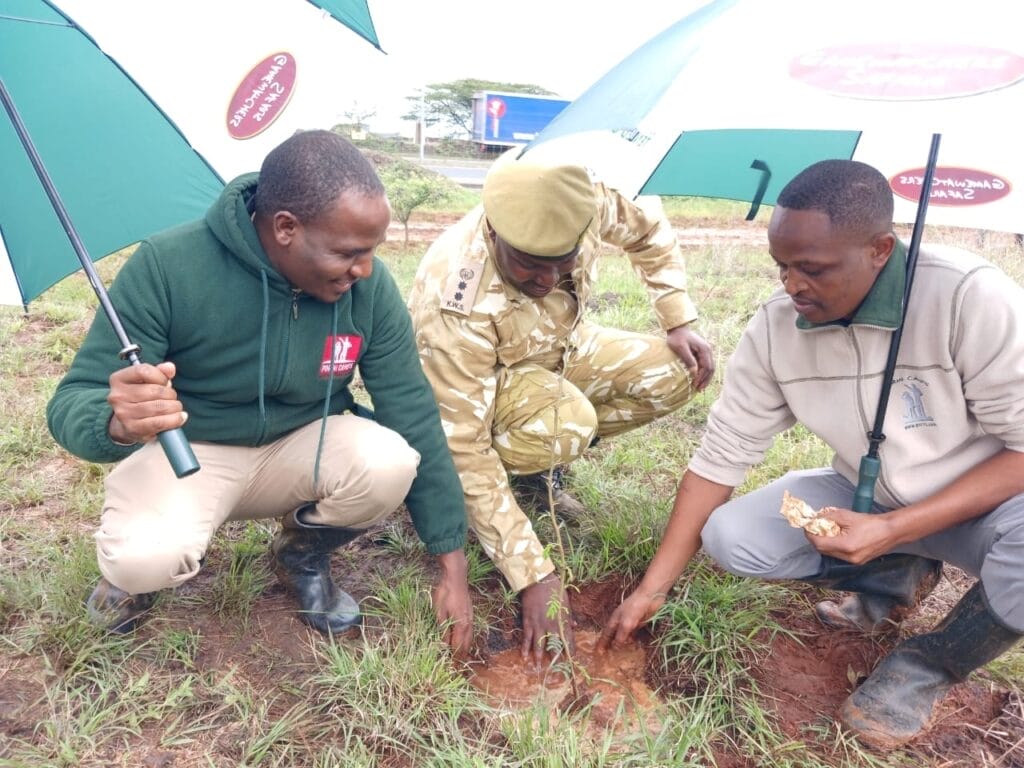
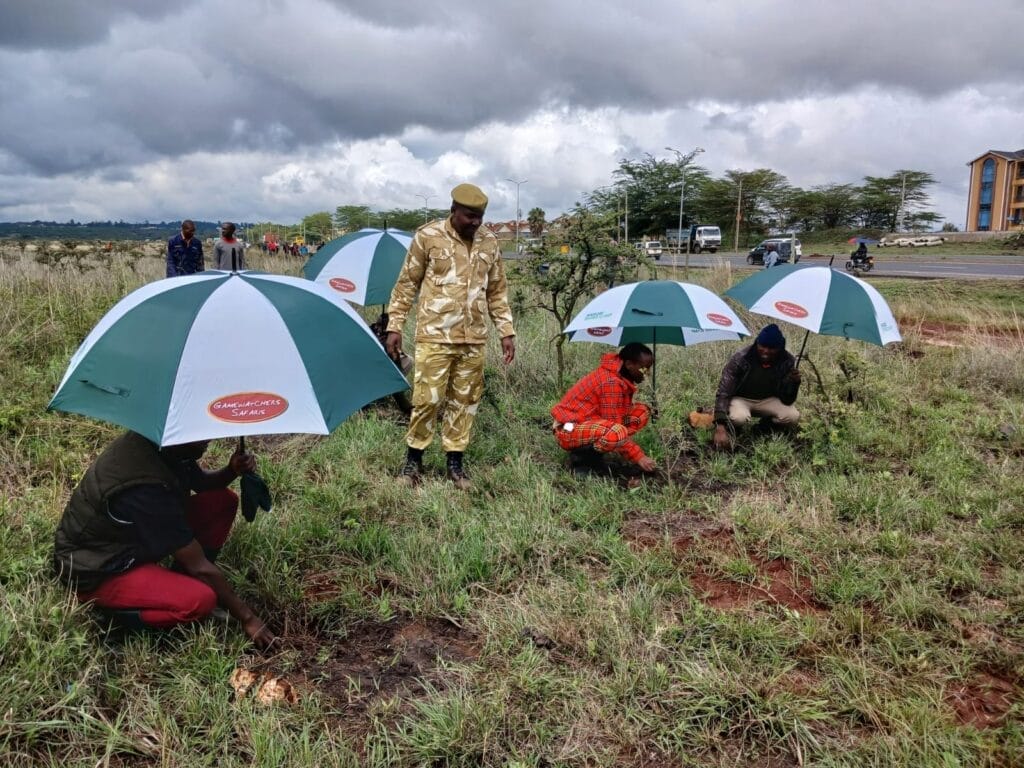
Last month, Gamewatchers Safaris and Porini Safari Camps staff were delighted to take part in Kenya’s first National Tree Planting Day. This vital initiative saw the entire nation join forces in support of the environment.
The day, 13 November, was declared a “special holiday” and we contributed to Kenya’s ambitious goal of planting 500 million seedlings this year and the longer term target of planting 15 billion trees by 2032. It was encouraging to see so many people dedicated to a greener, more sustainable future.
We’re delighted that Endonyo Narasha Primary School has joined our Gamewatchers digital learning initiative, making it the fourth school enrolled from the communities surrounding our Ol Kinyei Conservancy.
This smart learning project is a collaborative effort with WiLearn 4 Life, backed by the PD Foundation, with a mission to empower the community with digital and tech skills. WiLearn 4 Life’s CEO, Roland Diethelm, personally delivered digital learning equipment last month and students and teachers were trained on its usage.
We have Oloibormurt, Kishermoruak and Ilmochin Primary schools already receiving this program which greatly benefits remote schools and complements Kenya’s DigiSchools project which offers efficient charging solutions for tablets via solar-powered kits.
Find out more:
To learn more about our various Community Projects and how you can help, see: Supporting Communities …
Ol Kinyei Conservancy: A Wildlife Paradise in Masai Mara
In our latest video, “Exploring the Rich History of Ol Kinyei”, you can discover the history of Ol Kinyei Conservancy, one of the pioneer conservancies in Kenya’s Masai Mara.
Established in 2005, Ol Kinyei has been a trailblazer in conservation efforts, making it the only IUCN Green List Protected area in the Mara ecosystem.
Ol Kinyei and its surrounding area now has one of the highest densities of big cats, providing the best possible safari experience for wildlife enthusiasts. There are great wildlife viewing opportunities within the Conservancy year-round, and from here visitors get to witness the annual Loita wildebeest calving in February and March. In addition, guests can choose to visit the Masai Mara National Reserve.
The Conservancy is now home to Porini Cheetah Camp, Porini Mara Camp and the newly opened Porini Ol Kinyei Safari Cottages.
The Conservation Concept Giving Kenyan Communities a Brighter Future
An alternative approach to wildlife conservation in Kenya called ‘the conservancy concept’ is helping to create a sustainable future for animals, local communities, the environment and visitors alike for the very first time – and the son of British emigrants to Kenya is one of those at the forefront of the movement. Jake Grieves-Cook’s parents moved to Africa in 1948 and he grew up and went to school in Kenya where has now been involved in the country’s safari tourism industry for over 40 years. He runs the award-winning Porini Eco-Camps sited in Nairobi National Park, Laikipia, Amboseli eco-system and the Mara, including at Ol Kinyei Conservancy, which borders the north-east corner of the Maasai Mara National Reserve – famous for its incredible array of wildlife, from lions and leopards to cheetahs and wildebeest.
His site is one of many conservancies across the country which operates on land leased from local communities. The idea has been hailed as defining a new era of ecotourism in the East African country – and has proved such a success there are now more than 7.5 million acres of conservancy land across 22 counties.
Conservancies means local communities directly benefit from the use of their land and willingly host and protect wildlife populations – reducing the previously troublesome human/wildlife conflicts which have been known to arise from poaching, farming and the construction of infrastructure.
The renowned elephant conservationist
The renowned elephant conservationist Cynthia Moss recently described the establishment of conservancies in Kenya as “the single most successful conservation initiative since the creation of national parks in the 1940s”. She added, ” Conservancies protect land for Kenya’s wildlife and even more important create sanctuaries of safety. In addition conservancies bring benefits in the form of direct payments and jobs to the people who share their land with wildlife.”
Kenya’s spectacular flora and fauna
Mr Grieves-Cook added that the approach was also conserving Kenya’s spectacular flora and fauna outside of parks and he and his team are keen to spread the word to encourage more communities to follow suit.
He said: “The conservancy concept enables small landowners to pool their resources to create large tracts of land which can be set aside for wildlife and to join in partnerships with safari operators to generate incomes from wildlife tourism as an alternative form of land use. Visitors have quickly learnt that staying in small camps inside the conservancies offers a very rewarding experience and the word is spreading that this is one of the best ways to go on safari in Kenya and that it is contributing to conservation as well as to making it possible for benefits to reach the communities.”
Find out more
This Video Interview with Jake Grieves-Cook gives more information on the conservancy concept in Kenya. (Note this interview was in 2015 when visitor numbers had declined owing to fears about global terrorism, hence the comments at the end. Thankfully in the ensuing years the situation improved greatly with increasing visitor numbers and today travel to Kenya is flourishing.)
We are proud to be partners and supporters of Wildscreen Festival which was held in Nairobi in June 2023. See the short film celebrating Nairobi National Park.
This prestigious event is aimed at celebrating the role of Kenya and Africa in the international wildlife film industry and elevating African storytellers within the global wildlife storytelling industry.
A short film “Karibu Nairobi” was produced for the festival by Clement Kiragu, featuring renowned conservationist Paula Kahumbu. Beautifully shot, the film shows the magic of Nairobi National Park and the importance of protecting it. Our Nairobi Tented Camp (situated within the park) supported the production crew during filming.
A rare sighting in Selenkay Conservancy! Guests from Porini Amboseli Camp were treated to a viewing of African Wild Dogs yesterday whilst returning to the conservancy from a game drive in Amboseli National Park.
Safari guide Daniel Sayialel identified them as two male and one female and they were seen relaxing in the shade after killing an impala. They did not seem to be shy of the presence of the vehicle.
Also known as African Hunting Dogs, African Wild Dogs are one of the world’s most endangered mammal species. They live and hunt in packs – males stay within a pack whilst females migrate to find and join new packs once sexual maturity is reached. Just like our fingerprints, the markings of African Wild Dogs are unique – no two patterns are the same.